Owning a Jeep Gladiator means you can handle tough trails, slippery roads, or deep snow. But switching to 4WD (four-wheel drive) isn’t as simple as pressing a button. Doing it wrong can damage your vehicle or leave you stuck. Many new Gladiator owners struggle with shifting into 4WD confidently. This guide explains how to shift into 4WD on a Jeep Gladiator, step-by-step, with clear tips and some common mistakes to avoid.
Understanding Jeep Gladiator 4wd Modes
The Jeep Gladiator offers three main drive modes: 2WD, 4WD High, and 4WD Low. Each mode serves a different purpose. Here’s a quick comparison:
| Mode | Use Case | Speed Range |
|---|---|---|
| 2WD (Rear Wheel Drive) | Normal driving, dry pavement | Any speed |
| 4WD High | Snow, mud, loose gravel | Up to 55 mph |
| 4WD Low | Off-roading, steep hills, deep sand | 0–25 mph |
4WD High is for slippery roads where you need extra traction. 4WD Low is only for slow, tough situations like climbing rocks or deep mud.
How To Shift Into 4wd Jeep Gladiator
Shifting into 4WD is easy if you follow the right steps. But you need to know when and how to do it safely.
1. Check Your Current Drive Mode
Before shifting, look at your dashboard. The Gladiator usually shows your drive mode. Most drivers start in 2WD.
2. Shifting Into 4wd High
You can shift into 4WD High while driving, but there are rules:
- Slow down to under 55 mph.
- Take your foot off the gas.
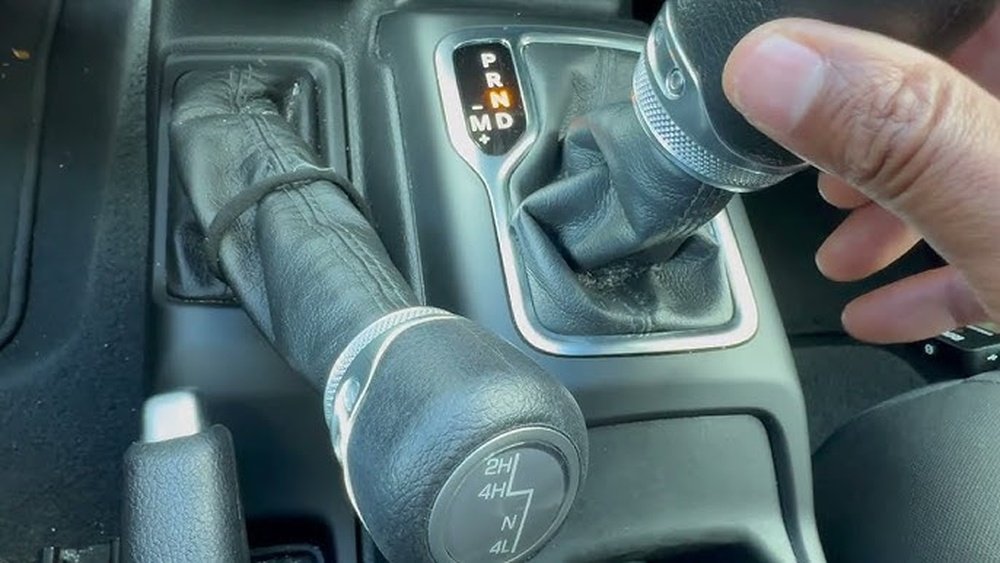
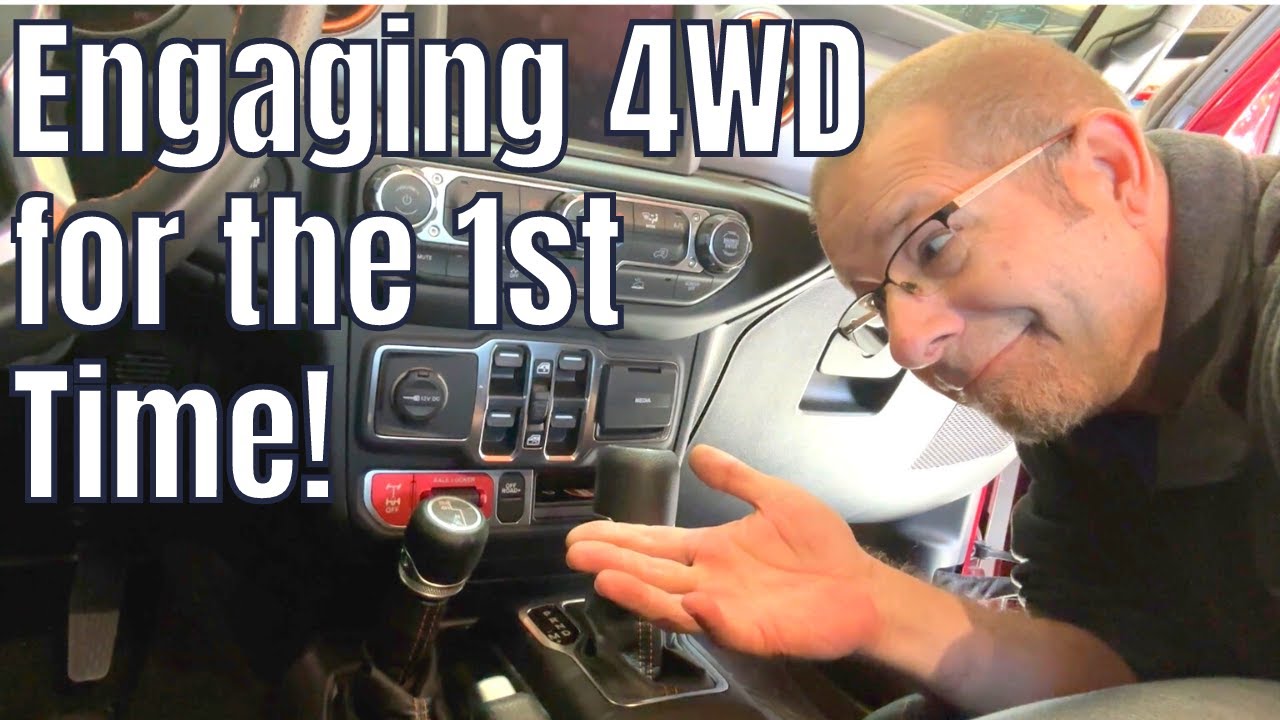
- Firmly pull the 4WD lever from 2H (2WD High) to 4H (4WD High).
- Wait for the indicator light to show 4WD is engaged.
Most Gladiators use a manual transfer case lever, not an electronic switch. You don’t need to stop the vehicle, but avoid shifting if wheels are spinning.
3. Shifting Into 4wd Low
4WD Low is different. You must be nearly stopped.
- Bring your speed below 5 mph.
- Shift the transmission into Neutral (N).
- Push the 4WD lever from 4H to 4L (4WD Low).
- Wait for the dashboard light to confirm 4WD Low is active.
- Shift the transmission back to Drive (D) or Reverse (R).
Never shift into 4WD Low at high speed, or you might damage the transfer case.
4. Returning To 2wd
When road conditions improve, switch back to 2WD for better fuel economy.
- Slow down below 55 mph.
- Take your foot off the accelerator.
- Move the lever from 4H to 2H.
- Wait for the indicator to confirm you’re back in 2WD.
If you’re in 4WD Low, first shift to Neutral, then to 4H, and finally to 2H.

Key Safety Tips For Shifting 4wd
Many drivers make mistakes when using 4WD, especially if they’re new to off-roading. Here are some tips:
- Never use 4WD on dry pavement. It can cause tire wear and stress the drivetrain.
- Don’t shift while wheels are spinning. Always make sure your speed is correct.
- Avoid sudden acceleration or braking when in 4WD. This helps protect your transfer case.
- If the lever feels stuck, gently rock the vehicle back and forth. Sometimes the gears need to align.
A common beginner mistake is forgetting to shift the transmission to Neutral before moving into 4WD Low. This can damage your Jeep.
Common Problems And How To Solve Them
Even with careful shifting, sometimes the Jeep Gladiator’s 4WD won’t engage. Here are some issues and solutions:
| Problem | Possible Cause | Solution |
|---|---|---|
| 4WD indicator doesn’t light up | Lever not fully engaged | Firmly move the lever; check speed and transmission position |
| Grinding noise | Shifting at wrong speed | Stop and shift again at proper speed |
| Can’t shift to 4WD Low | Transmission not in Neutral | Put the gear in Neutral, then try again |
If problems continue, check your owner’s manual or visit a trusted mechanic.
Gladiator 4wd Performance Data
Many drivers wonder how much traction they gain in 4WD. Here are some numbers:
| Surface | Traction Gain (vs 2WD) | Recommended Mode |
|---|---|---|
| Wet grass | Up to 40% | 4WD High |
| Deep mud | Up to 60% | 4WD Low |
| Snow | Up to 50% | 4WD High |
| Rocky trail | Up to 70% | 4WD Low |
Switching to the right mode can help you climb hills, cross mud, or escape slippery spots.
Non-obvious Insights
Many new Jeep Gladiator owners don’t realize that:
- 4WD doesn’t improve braking. It only helps with traction when accelerating.
- Regular use of 4WD Low can cause extra wear. Use it only when needed.
Also, after using 4WD Low, some drivers notice the steering feels heavier. This is normal and happens due to the locked drivetrain.
Practical Example
Imagine you’re driving on a snowy road. You feel the wheels slipping. Slow down to 40 mph, let off the gas, and shift into 4WD High. The indicator lights up, and your Jeep moves more smoothly. If you reach a steep hill with deep snow, stop, shift to Neutral, and move the lever to 4WD Low.
Now, your Gladiator climbs with ease.
Frequently Asked Questions
How Fast Can I Drive In 4wd High?
You can drive up to 55 mph in 4WD High. But for best control, stay below 50 mph in slippery conditions.
Can I Shift Into 4wd While Driving?
Yes, you can shift into 4WD High while moving, as long as you’re under 55 mph. For 4WD Low, you must be nearly stopped and in Neutral.
What Happens If I Use 4wd On Dry Pavement?
Using 4WD on dry pavement can cause tire wear and stress the drivetrain. Always return to 2WD when roads are clear.
Why Won’t My 4wd Engage?
Usually, this happens because the lever isn’t fully moved, or the transmission is not in Neutral for 4WD Low. Try shifting again carefully.
Do I Need To Service 4wd Regularly?
Yes. Regular maintenance is important. Check fluids and listen for unusual noises. For more details, see Jeep Gladiator Official Site.
If you follow these steps, your Jeep Gladiator’s 4WD system will help you stay safe and get through tough conditions. Take your time, and shift carefully. With practice, you’ll know exactly when and how to use each mode.