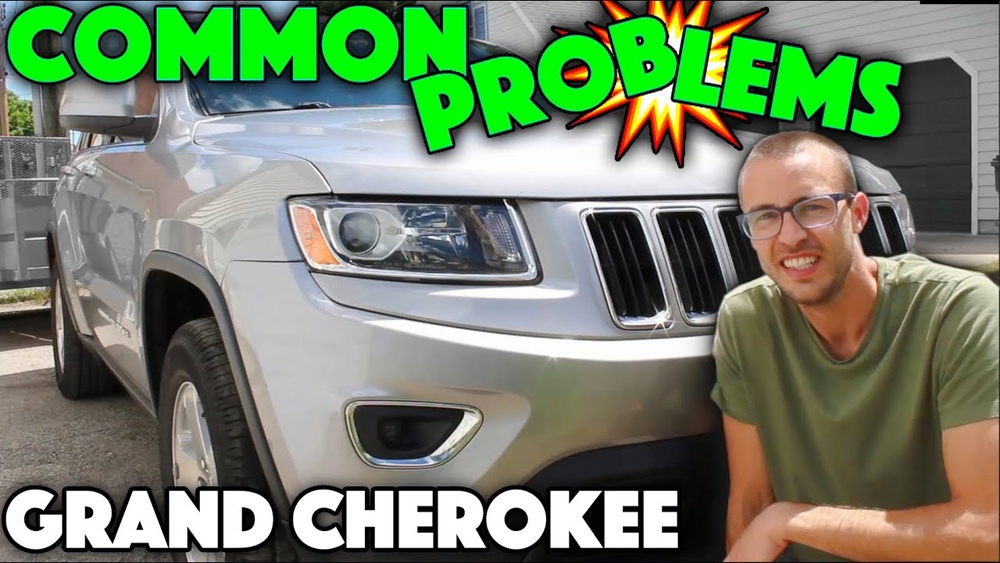
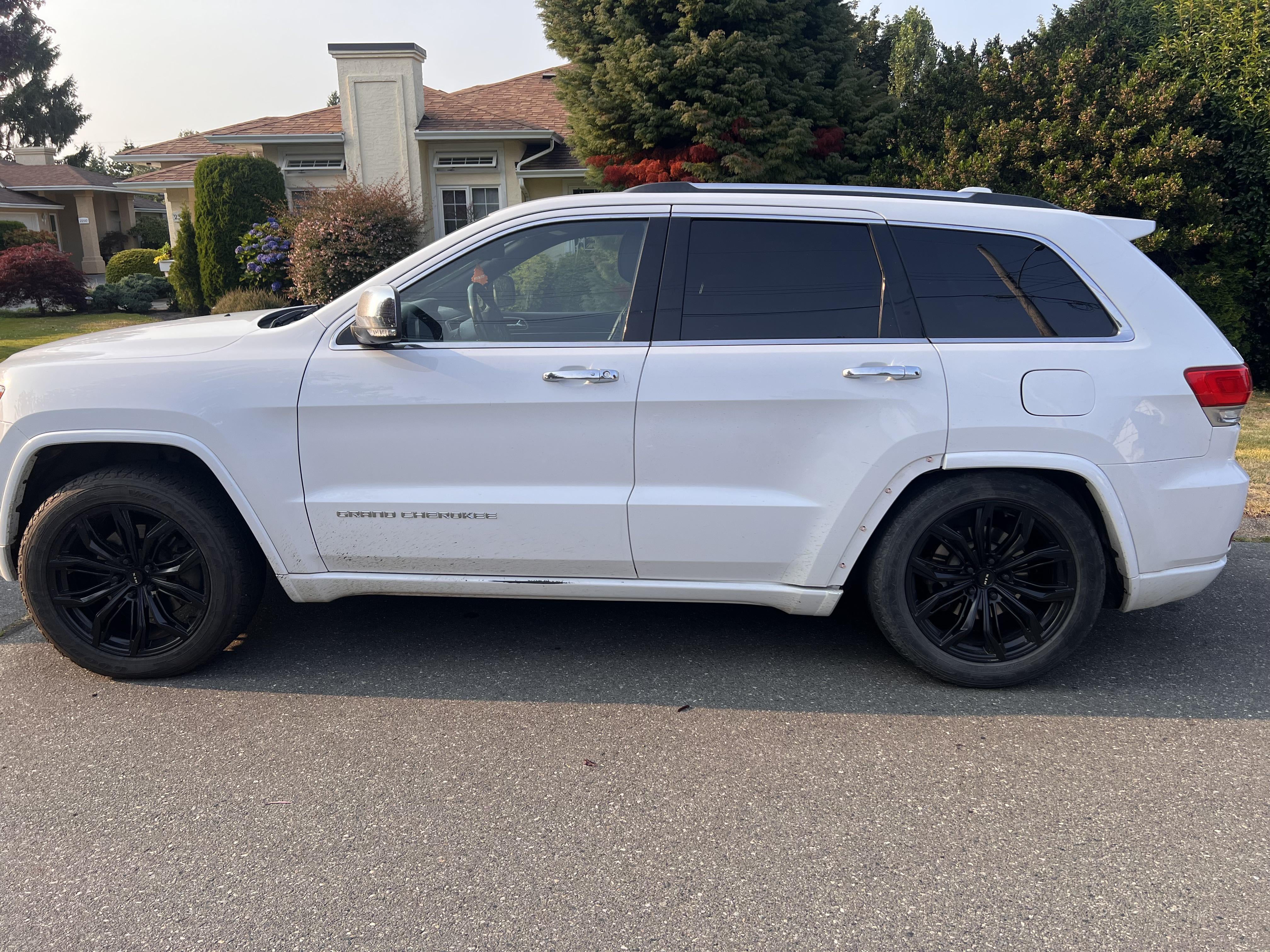
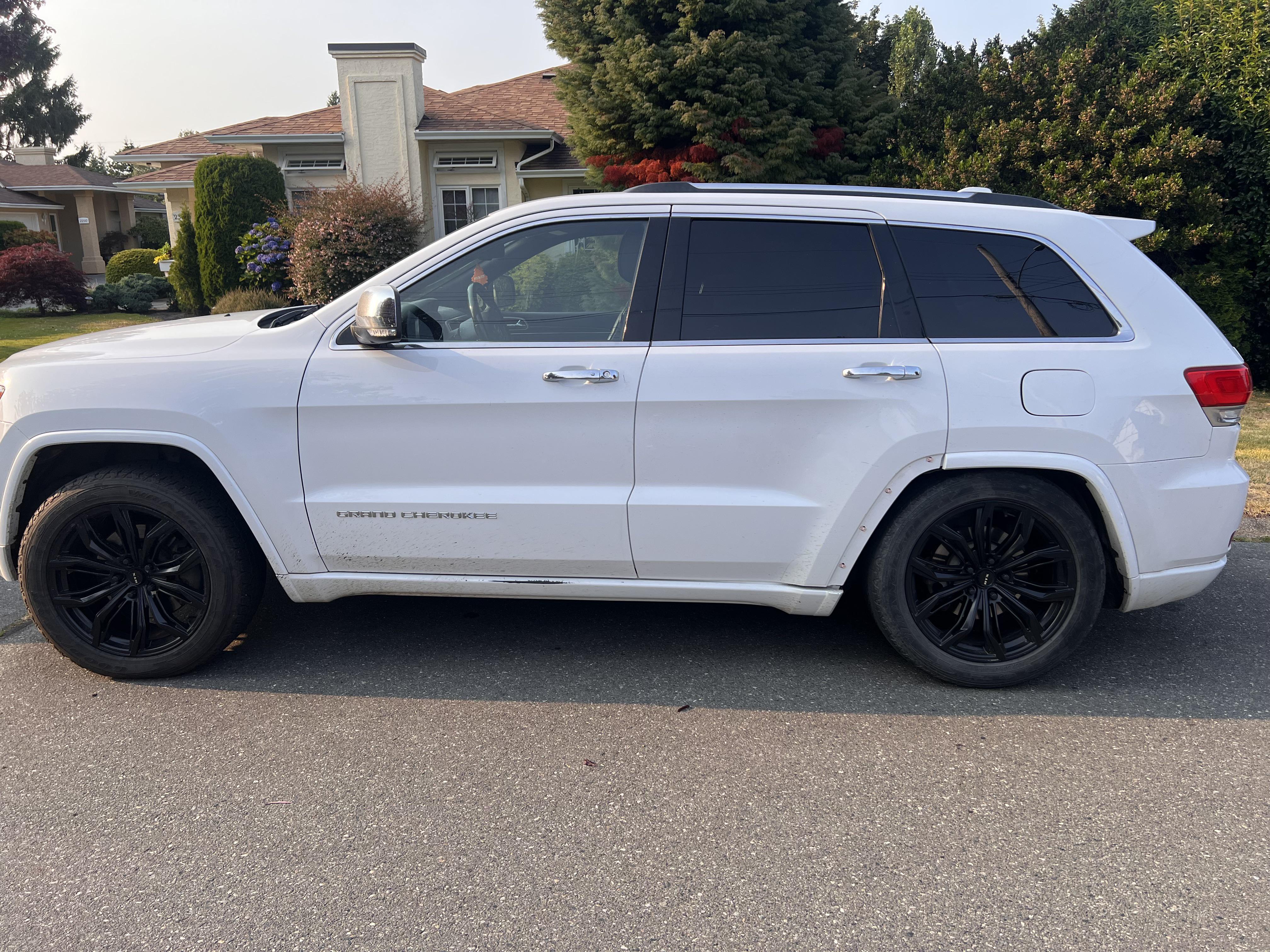
The Jeep Grand Cherokee 2014 attracted much attention when it hit the market. Jeep fans liked its bold design, strong engines, and off-road ability. But, as more drivers used this SUV, some problems became clear. If you’re thinking about buying a used 2014 Grand Cherokee, or you already own one, knowing these issues can help you avoid surprises and manage costs. In this article, you’ll discover the most common problems, what causes them, and what you can do.
Common Transmission Problems
Many 2014 Jeep Grand Cherokee owners have reported transmission issues. The most frequent complaints involve rough shifting, hesitation, and even complete transmission failure. The 8-speed automatic transmission, introduced in 2014, was meant to improve fuel economy and driving comfort. However, it also brought unexpected challenges.
One common symptom is harsh shifting, especially from first to second gear. Some drivers experience delayed engagement when shifting from park to drive. In rare cases, the transmission may go into “limp mode,” where the SUV won’t shift out of a low gear. This is a safety feature to prevent further damage, but it can leave you stranded.
A Chrysler recall in 2016 addressed some software issues. However, mechanical failures, like faulty solenoids and worn clutches, were not always covered. Repairs for the transmission can range from a simple software update to a complete replacement, which may cost several thousand dollars.
Transmission Problem Comparison
Here’s a look at how the Jeep Grand Cherokee 2014 compares to similar SUVs for transmission complaints:
| Model | Transmission Complaints (per 1000 vehicles) | Typical Repair Cost |
|---|---|---|
| Jeep Grand Cherokee 2014 | 32 | $2,500 – $4,500 |
| Ford Explorer 2014 | 19 | $1,900 – $3,800 |
| Toyota 4Runner 2014 | 7 | $1,500 – $3,000 |
Insight: Many drivers don’t realize early software updates can sometimes solve shifting issues. If you’re buying used, always ask if the latest transmission software update has been installed.
Electrical System Challenges
The 2014 Grand Cherokee has a modern electrical system that controls almost everything, from the headlights to the infotainment screen. However, electrical gremlins are a known headache.
A well-known issue is the Totally Integrated Power Module (TIPM), which is the SUV’s electrical brain. When the TIPM fails, you might experience random stalling, no-start conditions, or problems with windows and door locks. Some drivers report the engine shutting off without warning while driving—a serious safety concern.
Another problem is with the Uconnect infotainment system. Glitches can make the touchscreen freeze, reboot, or fail to connect to smartphones. Sometimes, the backup camera doesn’t display, which can be dangerous.
TIPM replacement can cost $1,000 or more. Infotainment repairs vary sometimes a software reset works, other times the whole unit needs replacement.
Electrical Issue Frequency
Here’s a simple comparison of electrical system complaints:
| SUV Model | Electrical Complaints (per 1000 vehicles) | Common Failures |
|---|---|---|
| Jeep Grand Cherokee 2014 | 28 | TIPM, Uconnect, Random Stalling |
| Honda Pilot 2014 | 11 | Radio, Starter Relay |
| Chevrolet Tahoe 2014 | 15 | Battery Drain, Door Locks |
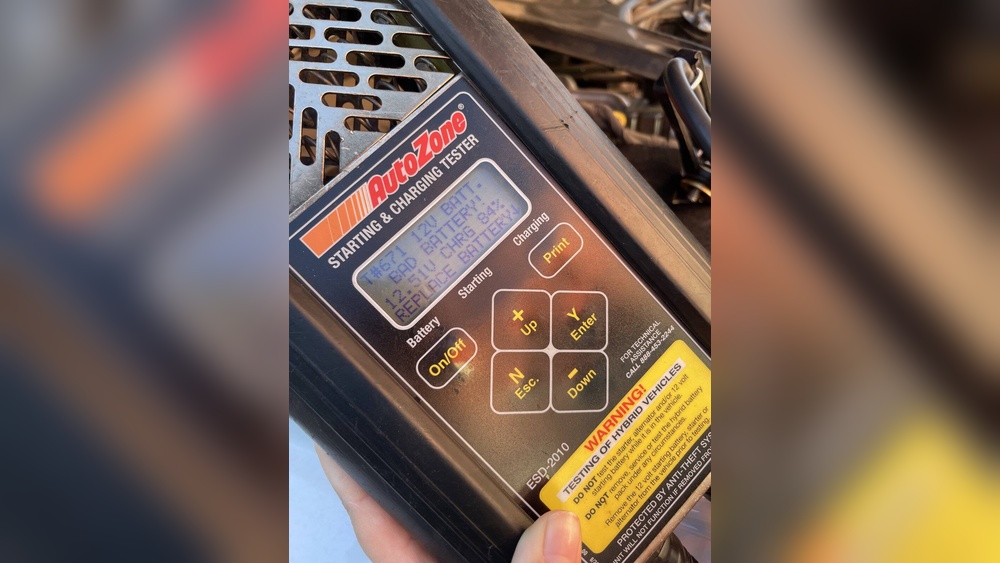
Non-obvious tip: Not all electrical issues are from the TIPM. Simple things like a weak battery or corroded wiring can mimic major failures. Always check these basics first before big repairs.
Suspension And Steering Woes
The suspension system keeps your ride smooth and helps you stay in control. On the 2014 Grand Cherokee, suspension problems are fairly common, especially as the vehicle ages.
Many owners complain about premature wear of suspension components. Ball joints, control arms, and bushings can wear out before 70,000 miles. Symptoms include clunking noises, uneven tire wear, or a loose feeling in the steering.
Air suspension models (called Quadra-Lift) can have even more trouble. The air springs and compressor are expensive to fix, and leaks are common after just a few years.
Some owners report the SUV sitting lower on one side, or the suspension not lifting at all.
Steering issues, like a shaky steering wheel or wandering on the highway, are often linked to worn suspension parts. Ignoring these problems can lead to poor handling and extra tire costs.
Practical advice: Regularly inspect suspension parts every 20,000 miles, especially if you drive on rough roads. Catching small wear early can prevent bigger (and costlier) damage.
Engine Concerns And Reliability
The 2014 Grand Cherokee came with several engine options, including a V6, V8, and diesel. While these engines are powerful, some problems have emerged over the years.
The 3.6L Pentastar V6 is popular but known for issues with the cylinder head. Some early V6 engines developed ticking noises, misfires, or even engine failure due to bad valve guides. Chrysler extended the warranty on some cylinder heads, but repairs can still be costly.
The 5.7L Hemi V8 is strong but can suffer from exhaust manifold bolt failures. When bolts snap, you’ll hear a ticking sound, especially on cold starts. Left unrepaired, this can cause exhaust leaks and lower engine performance.
Diesel models have their own problems, such as DEF system failures and emissions-related check engine lights. Repairs to these systems are often not cheap.
Engine Reliability Statistics
Let’s compare major engine complaints:
| Engine Option | Major Engine Complaints (per 1000 vehicles) | Typical Repair Cost |
|---|---|---|
| 3.6L V6 | 14 | $1,200 – $3,500 |
| 5.7L V8 | 10 | $800 – $2,500 |
| 3.0L Diesel | 18 | $1,600 – $4,000 |
| Total (All Engines) | 13 | $900 – $3,300 |
Insight: Regular oil changes and using the right oil type is especially important on the V6 to avoid timing chain and valve issues. Many owners miss this simple step, leading to bigger problems.
Brake System Issues
The Grand Cherokee 2014 has strong brakes, but several recurring issues have frustrated owners. The most common complaint is premature brake wear—pads and rotors sometimes need replacing as early as 20,000 miles. This is much sooner than on some competitors.
Some drivers report a soft or spongy brake pedal, which can make stopping feel less secure. This is often caused by air in the brake lines or a failing master cylinder. In rare cases, the brake booster can fail, causing a hard pedal and reduced braking force.
There were also recalls for the anti-lock braking system (ABS) software. The recall aimed to prevent rare cases where the brakes might not work as expected in an emergency.
Non-obvious tip: If you tow with your Grand Cherokee or drive in hilly areas, brakes will wear out even faster. Upgrading to higher-quality aftermarket pads and rotors can improve longevity.
Interior And Comfort Complaints
The 2014 model aimed for a luxury feel, but some owners report problems inside the cabin. One common issue is premature wear of seat materials—especially on the driver’s seat. Leather can crack, and stitching may come apart.
The panoramic sunroof is a popular feature, but leaks are a known problem. Water can drip into the cabin, causing stains, odors, and even electrical problems if it reaches wiring under the carpet.
Climate control failures are another annoyance. Some owners find the AC system blows only hot or cold air, or the fan stops working. Repairs can be expensive, especially if the dual-zone system fails.
Experience-based advice: Treating the leather with conditioner twice a year and keeping sunroof drains clear can prevent many of these problems. Few owners know about the simple sunroof drain cleaning you can do yourself.
Safety Concerns
Safety is critical in any vehicle. The Jeep Grand Cherokee 2014 earned good crash ratings, but some mechanical and software issues have created concerns.
The recall for faulty brake software is one example. Another is the airbag system: some owners report warning lights for the airbags, often due to loose connections under the seats. If not fixed, airbags may not deploy in a crash.
Headlight visibility is another issue. The standard halogen headlights are often described as dim, making nighttime driving harder. Some owners upgrade to brighter bulbs or LED headlights for better vision.
Confidence tip: Always check for open recalls using the VIN number. Dealers must fix recalls for free, no matter the vehicle’s age.
Cost Of Ownership
When you add up repairs, maintenance, and fuel, the cost of owning a 2014 Grand Cherokee can be higher than some expect. Many owners love the SUV’s comfort and style, but you should budget for repairs—especially as the vehicle passes 60,000 miles.
Typical annual costs include:
- Regular maintenance (oil, filters, fluids): $400–$600
- Tires (every 3–4 years): $700–$1,000
- Unexpected repairs (average): $1,000–$2,000
Insurance and fuel costs also tend to be above average for this class. The V8 and diesel engines use more fuel, and rates for a Jeep can be higher than for a typical family SUV.
Practical advice: An extended warranty or service contract can make sense if you plan to keep the vehicle for many years.
Real-world Owner Experiences
Many owners enjoy their Grand Cherokee 2014—especially the smooth ride and off-road power. But, there are just as many who feel frustrated by repeated repairs. Looking at owner forums and reviews, you’ll see a pattern: those who keep up with maintenance and handle small issues quickly are happier in the long run.
Some owners point out that finding a skilled Jeep mechanic is important. Not all repair shops understand the Grand Cherokee’s complex systems, especially the air suspension and electronics.
If you want a used 2014 Grand Cherokee, ask for service records and check for recalls. A pre-purchase inspection by a Jeep specialist is also wise.
External resource: For detailed recall info, visit the NHTSA official recall database.
Frequently Asked Questions
How Reliable Is The Jeep Grand Cherokee 2014?
The 2014 Grand Cherokee is average for reliability. Some owners have few problems, but others face expensive repairs, especially with the transmission and electronics. Regular maintenance helps, but you should be ready for higher costs compared to some rivals.
What Is The Most Common Problem With The 2014 Grand Cherokee?
Transmission issues are the most frequent complaint. Rough shifting, hesitation, and even transmission failure are more common than on other SUVs from the same year.
Is The 2014 Grand Cherokee Expensive To Maintain?
Yes, it can be. Annual maintenance and repair costs are higher than average, especially after 60,000 miles. Suspension, brakes, and electronics are common trouble spots.
Are There Any Important Recalls For This Model?
Yes, there are several recalls. The most important involve the transmission software, brake system, and airbags. Always check if all recalls have been done before buying or selling.
What Should I Check Before Buying A Used 2014 Grand Cherokee?
Check for complete service records, ask if the transmission software update was done, look for leaks (especially from the sunroof), test all electronics, and have a trusted mechanic inspect the suspension and brakes.
The 2014 Jeep Grand Cherokee offers power, style, and comfort. But it also has more than its share of issues.
If you’re considering this SUV, go in with your eyes open. Keep up with maintenance, watch for signs of trouble, and you can enjoy what the Grand Cherokee does best getting you where you want to go, on or off the road.