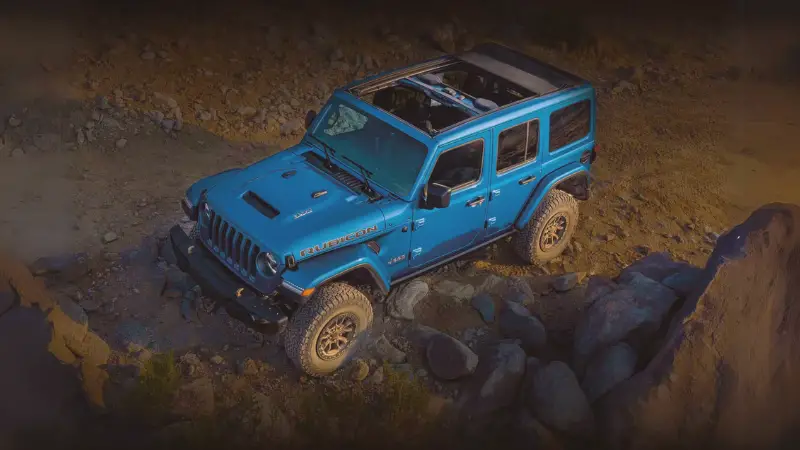
Keep your Jeep Grand Cherokee’s rear window wiper in top shape to ensure safety, visibility, and comfort during all weather conditions. Many owners overlook this small but essential part—until rain, snow, or dust suddenly blocks their view. Whether you drive a classic XJ, a modern WK, or the latest WL model, understanding your rear wiper helps you avoid common problems and costly repairs.
What Does The Rear Window Wiper Do?
The rear window wiper clears rain, snow, and debris from your back glass. This helps drivers see behind, especially during bad weather or off-road adventures. On most Grand Cherokees, the wiper has a single blade powered by an electric motor, with a switch on the dashboard or steering column.
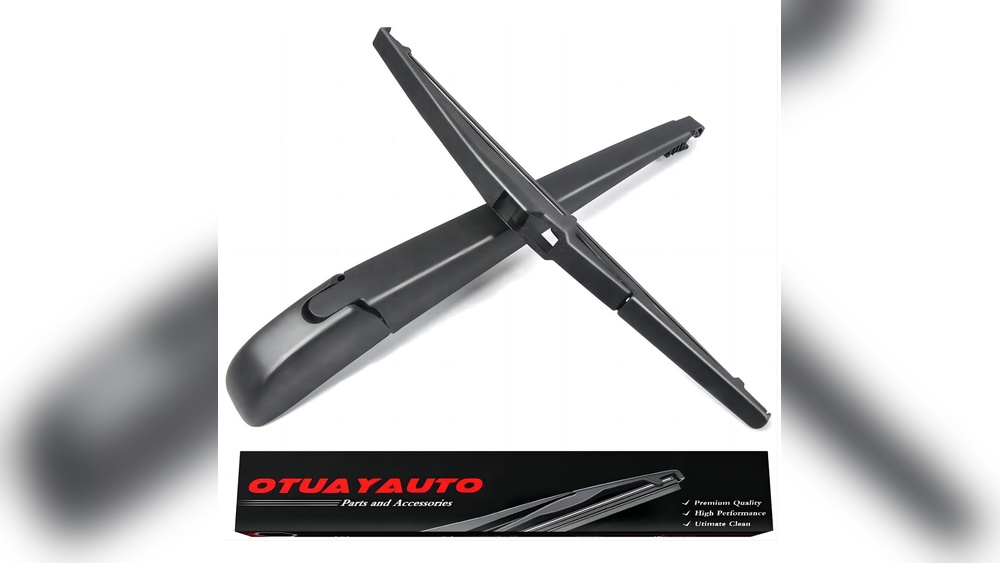
Not all Jeep models have the same design. For example, the XJ (1984-2001) and WK (2005-2010) use a more basic wiper system. The WL (2021-present) offers improved sweep range and smarter controls. Always check your owner’s manual for exact details.
Key Specs And Differences By Model
The rear wiper system has changed across Grand Cherokee generations. The table below highlights key differences:
| Model Code | Years | Wiper Blade Size | Wiper Arm Type | Common Issues |
|---|---|---|---|---|
| XJ | 1984-2001 | 13″ | Hook | Motor wear, arm rust |
| WK | 2005-2010 | 13″-14″ | Push button | Wiper skips, motor noise |
| WL | 2021-present | 14″ | Push button | Blade chatter, frozen pivot |
Most Grand Cherokees use a 13″ or 14″ blade. Always match the size and arm type for your model year and trim.

Common Rear Wiper Problems And Symptoms
If your Jeep Grand Cherokee rear window wiper acts up, you might notice:
- Streaks or missed spots on the glass
- Wiper not moving when switched on
- Noisy or jerky motion
- Wiper stops in the middle of the window
- Washer fluid doesn’t spray
These issues can happen due to worn blades, motor failure, or electrical faults. On older XJ and WK models, rust and corrosion are more common.
Diagnosing Rear Wiper Issues
When your rear wiper fails, follow these steps before replacing parts:
- Check the blade: Lift the wiper arm and inspect the rubber. Replace if cracked or brittle.
- Test the switch: Make sure the dashboard switch works. Try turning it on and off.
- Listen for motor noise: If you hear the motor but the wiper doesn’t move, the arm may be loose or stripped.
- Inspect fuses: Locate the rear wiper fuse in the fuse box. Replace if blown.
- Look for leaks: If washer fluid doesn’t spray, the hose or nozzle may be clogged.
If you’re not sure, a mechanic can run a full electrical test.

Replacement And Maintenance Tips
Replacing your rear window wiper blade is a simple DIY job. Here’s how:
- Buy the right blade for your year and trim. Most Grand Cherokees use a 13″ or 14″ blade.
- Lift the wiper arm gently. Be careful, as the glass can crack if the arm snaps down.
- Release the old blade. On a hook arm, press the tab and slide off. On a push button, press the button and pull.
- Attach the new blade. Listen for a click to make sure it locks.
- Test the wiper to ensure smooth movement.
Replace your blade every 6-12 months or when performance drops.
Maintenance Checklist
- Clean the blade with a damp cloth monthly.
- Check washer fluid and top up often.
- In winter, lift the arm during snow to prevent freezing.
- Inspect for rust, especially on older XJ and WK models.
Rear Wiper Motor Replacement: What To Expect
If your wiper motor dies, you might need a replacement. Here’s what to know:
- Symptoms: Wiper doesn’t move, stalls, or makes grinding sounds.
- Estimated cost: $120–$300 for parts and labor (varies by model and shop).
- DIY or mechanic: Skilled owners can swap the motor in 1–2 hours, but shop help is safer for wiring work.
Newer WL models may cost more due to advanced electronics.
Compatibility And Buying Tips
Always match new parts to your specific Jeep Grand Cherokee model. Small differences in blade size, arm type, or wiring can cause issues. Check:
- Model year and trim (Laredo, Limited, Overland, etc.)
- Engine (some trims have unique wiring)
- Wiper arm connection (hook vs push button)
- Rear glass shape (especially on WK and WL)
When buying online, read reviews and confirm with the seller. Some parts fit multiple Jeep platforms, but not all. Don’t assume a WK wiper fits a JL, for example.
Rear Wiper Vs. Front Wiper: Key Differences
It’s easy to confuse rear and front wipers. Here’s a quick comparison:
| Feature | Front Wiper | Rear Wiper |
|---|---|---|
| Number of Blades | 2 | 1 |
| Blade Size | 18″-24″ | 13″-14″ |
| Usage | Frequent | Occasional |
| Control | Steering stalk | Separate switch |
Rear wiper blades are smaller and used less often, but are just as important for safety.
When To See A Mechanic
Some jobs, like blade swaps, are quick DIY tasks. However, visit a mechanic if:
- The wiper motor is dead or intermittent
- Wiring or fuse problems keep happening
- The wiper arm is bent or loose
- Washer fluid leaks inside the hatch
A professional can prevent further damage, especially on newer WL models with complex electronics.
Frequently Asked Questions
How Often Should I Change My Jeep Grand Cherokee Rear Wiper Blade?
Change the rear wiper blade every 6-12 months, or sooner if it leaves streaks, skips, or makes noise.
What Size Rear Wiper Blade Fits My Grand Cherokee?
Most Grand Cherokees use a 13″ or 14″ rear blade. Always check your owner’s manual or measure the old blade before buying.
Can I Use Any Wiper Blade Brand On My Jeep?
You can use most aftermarket brands if the size and arm type match. Some premium blades offer better durability, but cost more.
Why Is My Rear Wiper Not Working At All?
Common causes include a blown fuse, faulty motor, loose wiring, or a damaged switch. Check each part before replacing the motor.
Is The Rear Wiper System The Same On All Jeep Grand Cherokees?
No. There are differences in blade size, wiper arm type, and motor design across XJ, WK, WL, and other models. Always check compatibility.
For more details about automotive wiper systems, visit Wikipedia.
Related internal links:
- Jeep Grand Cherokee maintenance schedule
- How to choose the best wiper blades
- Signs your car needs new wipers