Flushing the radiator in your Jeep Cherokee is a smart way to keep your engine running cool and avoid costly repairs. Over time, coolant breaks down and can carry rust, dirt, and other debris through the cooling system. If you notice your Cherokee running hotter than usual, or see dirty coolant, it’s probably time for a flush.
Doing this job yourself can save money and help you better understand your vehicle’s maintenance needs.
Why Flushing Your Radiator Matters
The radiator is a key part of your Cherokee’s cooling system. It removes heat from the engine coolant so your engine doesn’t overheat. Old or dirty coolant can cause overheating, corrosion, and even engine damage. Flushing the radiator removes old coolant and debris, helping your system work efficiently.
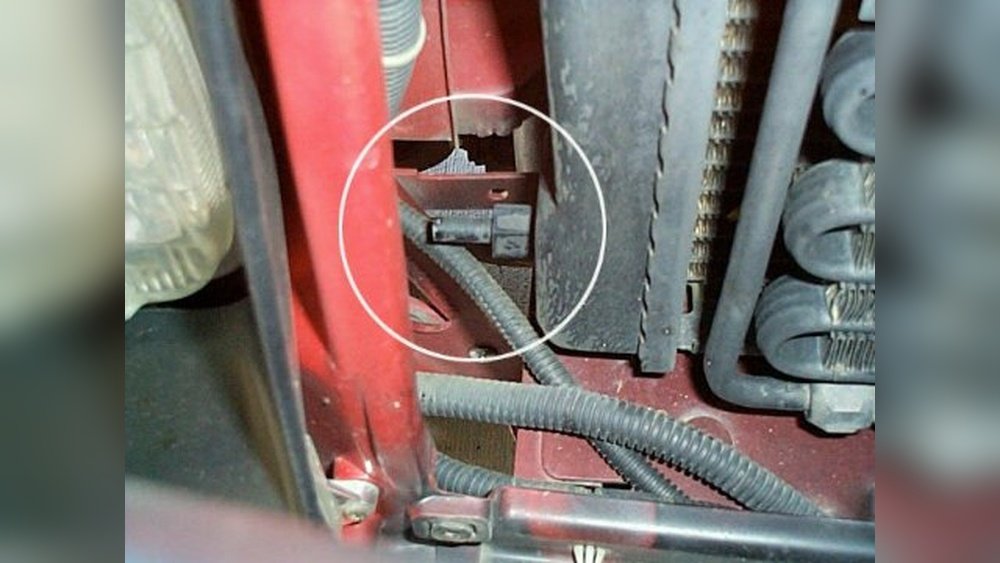
Coolant should generally be changed every 30,000 to 50,000 miles or every 2-3 years, but check your owner’s manual for Jeep’s exact recommendation. If you often drive in hot climates or tow heavy loads, more frequent flushes may be needed.
Tools And Materials Needed
Before starting, gather these items:
- New coolant (check your manual for type/amount)
- Distilled water (not tap water, to avoid minerals)
- Large drain pan
- Socket set or wrench
- Screwdriver
- Gloves and safety glasses
- Funnel
- Garden hose
- Rags or towels
Using the right tools prevents leaks and makes the process smoother.
Step-by-step: How To Flush Your Jeep Cherokee Radiator
Follow these steps for a complete radiator flush:
1. Prepare Your Vehicle
Make sure the engine is completely cool before you start. Hot coolant can cause serious burns. Park on a flat surface and set the parking brake.
2. Drain The Old Coolant
- Remove the radiator cap to release any pressure.
- Place the drain pan under the radiator’s drain plug (petcock).
- Use a wrench or your hand to open the drain plug. Let all old coolant drain into the pan.
- Dispose of old coolant safely—never pour it down the drain. Most auto parts stores will recycle it.
3. Flush The System
- Close the drain plug.
- Fill the radiator with distilled water.
- Start the engine and let it run for about 10 minutes with the heater on max. This helps the water circulate.
- Turn off the engine and let it cool.
- Drain the water into the pan.
- Repeat until the water runs clear (usually 2-3 times).
Tip: If your coolant is very dirty or rusty, add a commercial radiator flush product before filling with water the first time.
4. Refill With Fresh Coolant
- Close the drain plug tightly.
- Mix coolant and distilled water in the correct ratio (usually 50/50).
- Use a funnel to pour the new mixture into the radiator until full.
- Fill the coolant reservoir to the correct level as well.
5. Bleed Air From The System
- Start the engine with the radiator cap off, letting it run until warm.
- Watch for air bubbles escaping. Top off coolant as needed.
- Replace the radiator cap once the bubbles stop and the level stays steady.
Failing to bleed air can cause hot spots and poor cooling.
6. Check For Leaks And Test Drive
After everything is back together, check under the Jeep for leaks. Take a short drive, then check coolant levels again. Add more if needed.
Coolant Types: What Should You Use?
Using the right coolant is essential for engine longevity. Here’s a quick comparison of common coolant types for Jeep Cherokee:
| Coolant Type | Color | Recommended For | Change Interval |
|---|---|---|---|
| HOAT (Hybrid OAT) | Orange/Yellow | 2012+ Cherokees | 5 Years/100,000 miles |
| OAT (Organic Acid) | Purple | 2013+ Cherokees | 10 Years/150,000 miles |
| IAT (Inorganic Acid) | Green | Older Models (pre-2001) | 2 Years/30,000 miles |
Always double-check your owner’s manual or the label under the hood.
Signs Your Radiator Needs Flushing
Not sure if it’s time for a flush? Watch for these signs:
- Engine running hotter than normal
- Coolant is brown, rusty, or sludgy
- Visible debris in the radiator
- Sweet smell from the engine bay (coolant leak)
- Temperature gauge spikes
Waiting too long can lead to expensive repairs.
Common Mistakes To Avoid
Flushing a radiator seems simple, but beginners often make these errors:
- Using tap water: Minerals can build up and block the system. Use distilled water only.
- Not bleeding air: Trapped air causes overheating and poor heater performance.
- Wrong coolant type: Mixing types can cause gelling and reduce protection.
- Not checking for leaks: Even a small leak can lead to big problems.
- Skipping flushes: Old coolant can damage your radiator, water pump, and thermostat.

Cost Comparison: Diy Vs. Professional Flush
Wondering if it’s worth doing yourself? Here’s a quick cost breakdown:
| Option | Average Cost | What’s Included |
|---|---|---|
| DIY Radiator Flush | $30–$60 | Coolant, distilled water, flush solution (optional) |
| Professional Service | $90–$150 | Labor, coolant, full inspection |
Doing it yourself saves money, but a professional may spot hidden problems.
Extra Tips For A Better Flush
- Check your radiator hoses for cracks or bulges. Replace them if needed.
- Clean the radiator cap—a weak cap can cause leaks.
- Don’t overfill. Too much coolant can spill or damage seals.
- Dispose of coolant properly—it’s toxic to pets and wildlife.
If your radiator is clogged or heavily rusted, a flush may not fix it. In that case, replacement might be needed.
For more on engine cooling systems, visit this Wikipedia page.

Frequently Asked Questions
How Often Should I Flush My Jeep Cherokee Radiator?
Most experts recommend every 2 to 3 years or 30,000 to 50,000 miles. Check your manual for the exact schedule for your model year.
Can I Use Universal Coolant In My Jeep Cherokee?
It’s best to use the specific coolant type Jeep recommends. Universal coolant may not provide the right protection and can cause problems if mixed with existing fluid.
What Happens If I Don’t Flush My Radiator?
Skipping flushes can lead to clogs, overheating, corrosion, and even engine failure. Old coolant can damage the radiator, water pump, and other components.
Is Flushing The Radiator Different From Just Draining And Refilling?
Yes. Flushing removes old coolant, rust, and debris. Simply draining and refilling leaves some contaminants in the system.
Can I Flush My Radiator Without Special Tools?
Basic hand tools, a drain pan, and a funnel are enough for most Jeep Cherokees. Specialty flush kits or chemical flushes are optional for very dirty systems.
Taking care of your Jeep Cherokee’s cooling system with regular radiator flushes helps avoid breakdowns, saves money, and keeps your engine running strong for years to come.