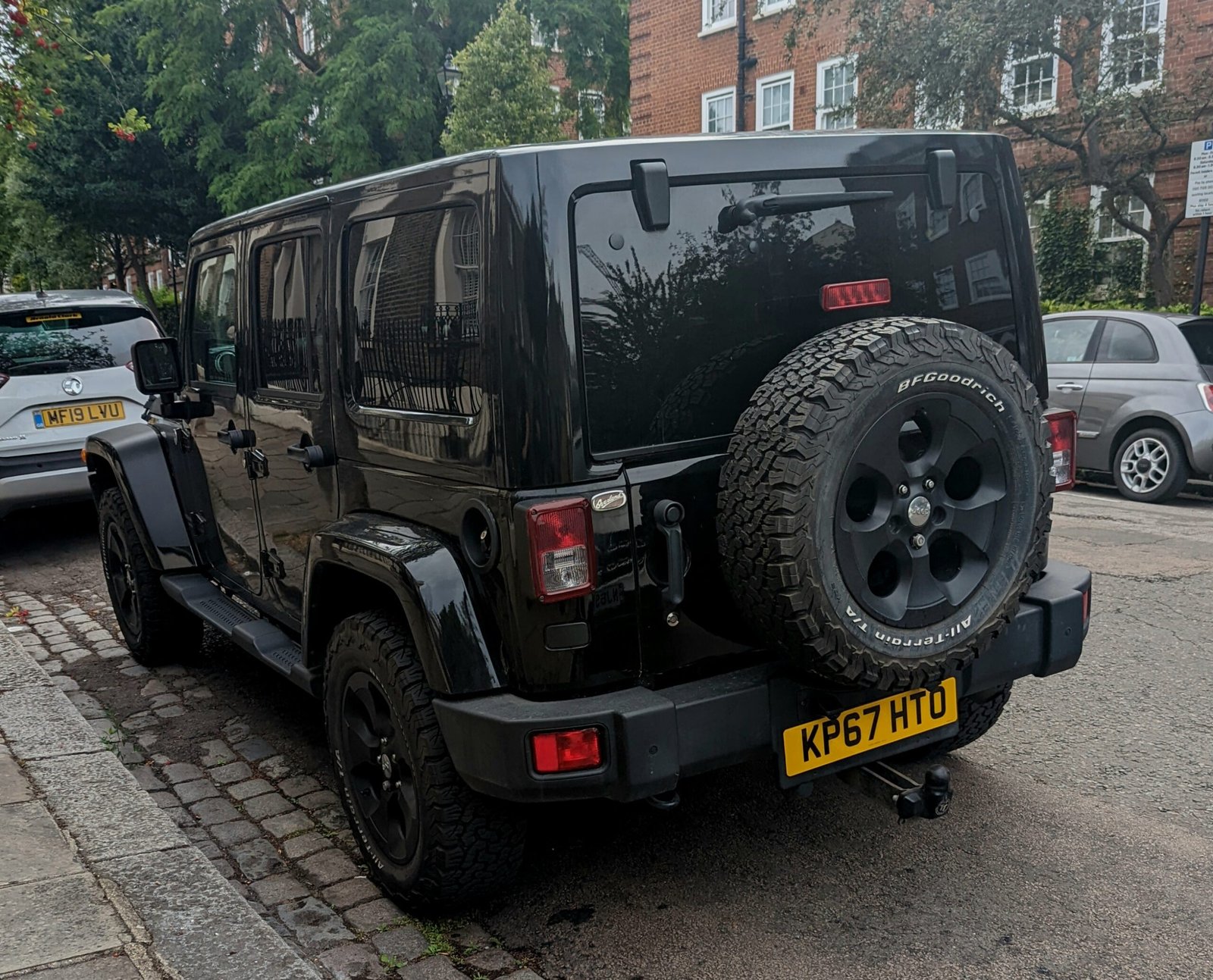
Jeep fenders take a beating—mud, road salt, rocks, and even tree branches can leave them dirty and dull. Whether you drive a Wrangler, Cherokee, or Gladiator, keeping your Jeep fenders clean does more than make your ride look good. It prevents rust, extends the life of your fenders, and can even boost resale value. If you want your Jeep to stand out on the road or trail, learning how to clean fenders properly is a must.
Why Clean Jeep Fenders Matters
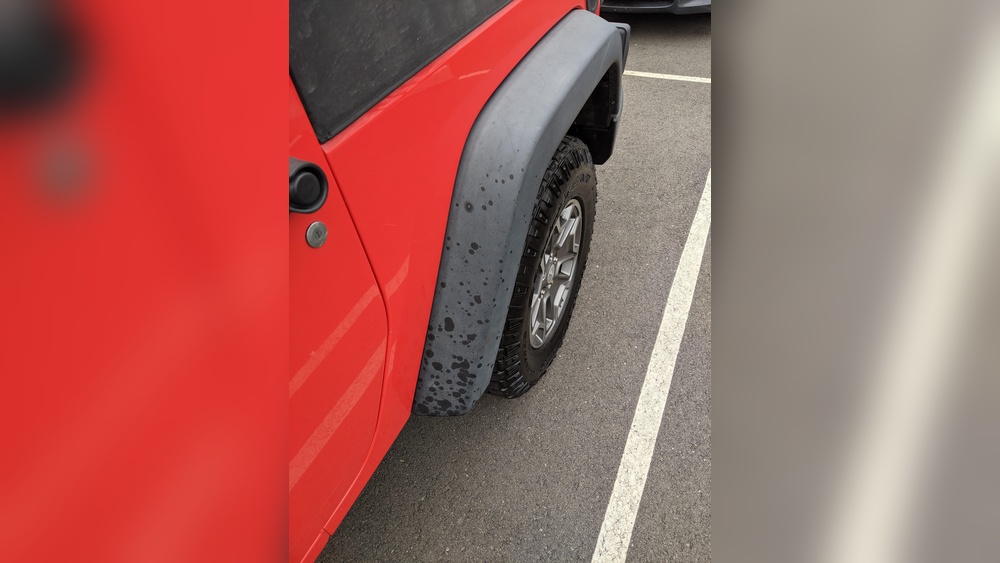
Many Jeep owners focus on washing the body and tires, but fenders often get ignored. Over time, mud and grime can cause scratches and corrosion. Plastic fenders may fade and stain, while metal ones risk rust if neglected. Regular cleaning keeps your Jeep looking sharp and avoids costly repairs.
A study by the Car Care Council found that vehicles washed regularly retained 15% more resale value than neglected ones. Clean fenders aren’t just about looks—they’re an investment.
What You Need: Cleaning Tools And Products
Before you start, gather the right tools. Here’s a quick look at popular cleaning options for Jeep fenders:
| Product Type | Best For | Notes |
|---|---|---|
| Car Wash Soap | General dirt and dust | Safe on all finishes |
| Plastic Cleaner | Faded/fuzzy plastic fenders | Restores color |
| Degreaser | Heavy mud, oil stains | Use with care on painted fenders |
| Soft Brush/Microfiber Cloth | Scrubbing and drying | Prevents scratches |
Don’t forget:
- A hose with a spray nozzle
- Buckets (one for soapy water, one for rinse)
- Tire brush (optional for textured fenders)
- Protective gloves

Step-by-step Guide: How To Clean Jeep Fenders
Cleaning Jeep fenders is simple if you follow the right steps. Here’s how to get your fenders spotless without causing damage.
1. Rinse Off Loose Dirt
Start with a strong water rinse. Aim your hose at an angle to knock off as much mud and dust as possible. This step removes debris that can scratch when you scrub later.
2. Wash With Soapy Water
Fill a bucket with car wash soap and warm water. Dip a soft cloth or sponge in the solution. Scrub the fenders, working from the top down. For stubborn mud, use a soft brush with gentle pressure.
Plastic fenders can handle more scrubbing, but be careful with painted or metal ones. Avoid household cleaners—they can strip protective coatings.
3. Tackle Stains And Grease
Some stains won’t budge with soap alone. For oily spots, spray a degreaser and let it sit for 2-3 minutes. Scrub gently and rinse well. For faded plastic, use a plastic restorer after cleaning.
4. Rinse And Dry
Rinse off all soap and cleaners thoroughly. Dry the fenders with a microfiber towel to avoid water spots. If you leave water to air dry, minerals can leave marks, especially on black or dark-colored fenders.
5. Apply Protectant Or Polish
This step is often skipped, but it makes a big difference. Use a plastic protectant for plastic fenders or a wax/polish for metal ones. This adds shine and repels future dirt. Buff with a clean towel for a smooth finish.
Comparing Fenders: Plastic Vs. Metal
Not all Jeep fenders are created equal. Each type needs a slightly different approach:
| Fender Type | Cleaning Needs | Common Mistakes |
|---|---|---|
| Plastic | Soap, plastic cleaner, protectant | Using harsh chemicals, no UV protection |
| Metal (Painted) | Soap, wax, gentle brushes | Skipping wax, using abrasive sponges |
Non-obvious tip: Never use kitchen sponges with a rough side—these scratch both plastic and metal.
Pro Tips For A Lasting Clean
Many Jeep owners clean fenders, but their results don’t last. Here’s how to keep them looking fresh for weeks:
- Clean after off-roading: Mud dries hard and stains, especially on hot days.
- Use UV protectant: Fenders fade from sun exposure. A protectant keeps color rich.
- Detail brushes matter: Get into tight spots with a small brush, especially around bolts and trim.
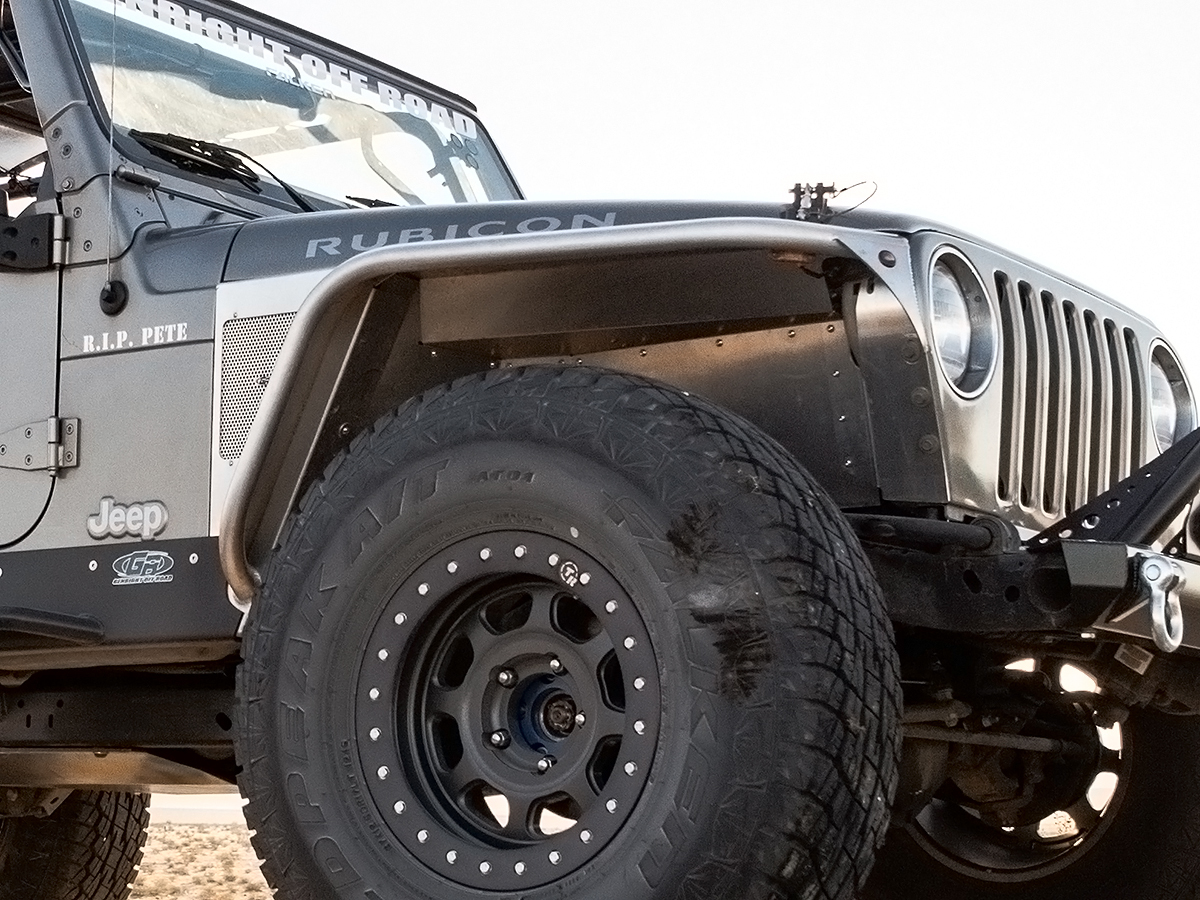
- Check drainage holes: Some Jeeps have small holes at the bottom of fenders. Make sure they’re clear so water doesn’t pool and rust.
- Avoid pressure washers up close: High pressure can damage paint and force water behind seals.
Common Mistakes To Avoid
Even experienced Jeep owners make cleaning errors. Here are pitfalls to watch for:
- Skipping drying: Air drying leaves hard-to-remove spots.
- Using household cleaners: Many contain ammonia or bleach, which fade plastics and strip paint.
- Ignoring the inner fender: Mud and salt build up inside, causing hidden rust.
- Washing in direct sun: Soap dries fast and leaves streaks.
How Often Should You Clean Jeep Fenders?
Frequency depends on your driving. If you’re off-roading weekly, clean after every muddy trip. For daily drivers, once a month is usually enough.
A survey by the International Carwash Association found that vehicles washed every two weeks had 40% less visible corrosion than those washed once a season. For Jeeps in snowy areas, clean more often to remove road salt.
When To Seek Professional Help
Most Jeep fender cleaning is easy DIY work. But if you see deep scratches, rust, or faded paint that won’t recover, consider a detailer. They have tools for paint correction and can restore plastics with heat treatment.
For more advanced detailing, professional guides like Autogeek offer step-by-step instructions and product comparisons.

Frequently Asked Questions
How Do I Remove Tough Stains From Jeep Fenders?
Use a dedicated degreaser for oil or tar. For rust, a small amount of baking soda paste can help. Always rinse thoroughly to avoid residue.
What’s The Best Way To Restore Faded Plastic Fenders?
After cleaning, apply a plastic restorer with UV protection. Buff with a microfiber towel for best results. Repeat monthly to maintain color.
Can I Use A Pressure Washer On Jeep Fenders?
Yes, but keep the nozzle at least 12 inches away and use a wide spray. Avoid direct blasts at seams and seals to prevent water intrusion.
How Do I Clean Inner Fender Wells?
Spray with water to loosen dirt, then scrub with a stiff brush and soap. For heavy mud, let it soak first. Dry well to prevent rust.
Will Waxing Metal Fenders Help?
Absolutely. Wax adds shine and creates a barrier against water, dirt, and salt. Apply every 2-3 months for best protection.
Keeping Jeep fenders clean is simple when you have the right approach. A few careful steps go a long way—protecting your investment, turning heads on the trail, and making future washes easier. With regular care, your Jeep will look great for years to come.