Changing the transmission fluid in your Jeep Cherokee is one of the smartest ways to keep your vehicle running smoothly. Many drivers ignore this step, but old fluid can lead to poor shifting, overheating, or even transmission failure. If you want your Cherokee to last longer, learning how to change the transmission fluid is a practical skill. This guide covers everything you need to know, even if you’re not a car expert. You’ll see the tools you need, clear steps, and useful tips to avoid mistakes.
Why Transmission Fluid Matters
Transmission fluid does more than just lubricate parts. It cools the transmission, helps gears shift smoothly, and protects against wear. Over time, fluid breaks down and gets dirty. For most Jeep Cherokee models, experts recommend changing the fluid every 30,000 to 60,000 miles. Neglecting this can cause costly problems.
Here’s a quick look at what happens when fluid isn’t changed:
| Condition | Transmission Fluid State | Result |
|---|---|---|
| New | Clean, bright red | Smooth shifting, low heat |
| Old | Dark, burnt smell | Hard shifts, overheating |
| Very old | Sludge, debris | Transmission damage |
Tools And Supplies Needed
Before you start, gather these items:
- Socket set or wrench
- Drain pan
- New transmission fluid (Check your owner’s manual for type and quantity)
- Transmission filter (if replacing)
- Gasket or sealant (for the pan)
- Rags
- Jack and jack stands (for easier access)
- Screwdriver
It’s important to use the correct fluid. For example, most newer Cherokees use ATF+4. Using the wrong type can damage the transmission.
Step-by-step Guide To Changing Transmission Fluid
1. Prepare Your Jeep
Park on a level surface. Let the engine cool. Raise the vehicle with a jack and secure it with stands. Safety is key—never crawl under a car supported only by a jack.
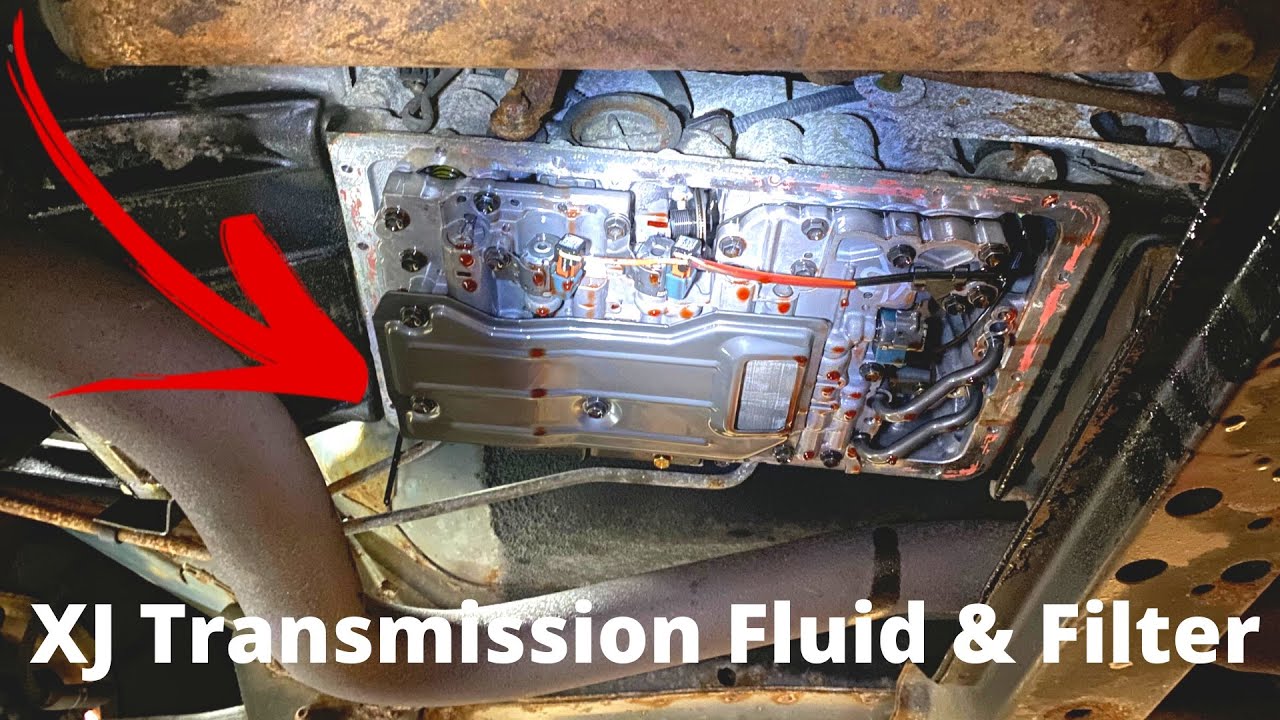
2. Locate The Transmission Pan
The transmission pan is under your Cherokee, typically near the center. Place your drain pan beneath it.
3. Drain The Old Fluid
Loosen the pan bolts slowly. Fluid will start to leak out—this is normal. Remove the bolts and lower the pan. Allow all fluid to drain.
4. Replace The Filter (optional But Recommended)
If your model has a replaceable filter, remove it. Install the new filter. This helps keep the fluid clean and prevents future problems.
5. Clean And Reinstall The Pan
Wipe the pan and magnet inside. Place the new gasket or apply sealant. Reattach the pan securely. Overtightening can damage the gasket.
6. Add New Transmission Fluid
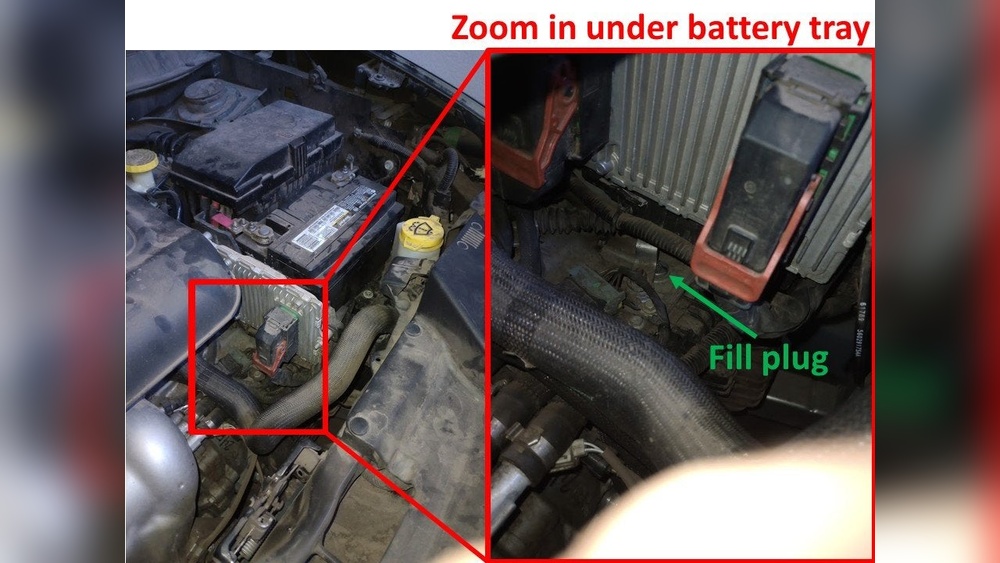
Locate the transmission fill port. Using a funnel, add the recommended amount and type of fluid. Pour slowly to avoid spills.
7. Check Fluid Level
Start the engine. With the vehicle in park, let it run for a few minutes. Shift through all gears. Check the fluid level with the dipstick. Add fluid if needed.
8. Inspect For Leaks
Look under the car for any signs of leaks. If you see drips, tighten the pan bolts gently.
Comparing Diy Vs. Professional Service
It’s helpful to see how doing it yourself stacks up against a shop.
| Method | Cost | Time | Skill Needed |
|---|---|---|---|
| DIY | $50-$80 | 1-2 hours | Basic tools, patience |
| Professional | $150-$250 | 1 hour | None |
DIY saves money, but you must be careful. Many beginners forget to check for leaks or use the wrong fluid. These mistakes can be costly.
Tips And Common Mistakes
Changing transmission fluid isn’t hard, but there are pitfalls. Here are two non-obvious insights:
- Don’t mix old and new fluid. Some people top off instead of replacing. This won’t fix problems caused by dirty fluid.
- Always check for software updates. Newer Cherokees sometimes need transmission control module updates after fluid changes. This improves shifting and prevents issues.
Other common mistakes:
- Not tightening bolts evenly (can cause leaks)
- Using generic fluid (always use the recommended type)
- Forgetting to clean the magnet inside the pan (it catches metal particles)
How Often Should You Change Fluid?
Mileage isn’t the only factor. If you drive in stop-and-go traffic, tow heavy loads, or drive off-road, change fluid more often. For most Jeep Cherokees, every 30,000–50,000 miles is ideal. If you notice rough shifting or odd noises, check fluid sooner.
Here’s a quick comparison of fluid change intervals:
| Driving Type | Recommended Interval |
|---|---|
| Normal | 60,000 miles |
| Heavy towing | 30,000 miles |
| Off-road | 40,000 miles |

Frequently Asked Questions
How Much Transmission Fluid Does A Jeep Cherokee Need?
Most models need between 5–8 quarts. Always check your owner’s manual for the exact amount.
What Type Of Transmission Fluid Should I Use?
For most modern Cherokees, ATF+4 is required. Older models may use Dexron. Never mix types; it can cause damage.
Can I Change Transmission Fluid Without Changing The Filter?
Yes, but it’s not recommended. The filter catches debris. If it’s dirty, new fluid can get contaminated fast.
How Do I Know If My Fluid Needs Changing?
Look for dark color, burnt smell, or slipping gears. These are signs the fluid has broken down.
Is Flushing Better Than Draining?
Flushing removes more old fluid but can stir up debris. For high-mileage or older Cherokees, draining and refilling is safer. For newer models, follow the manufacturer’s advice or visit a certified shop like Jeep Official Service.
Changing your Jeep Cherokee’s transmission fluid is a straightforward job that can save you money and prevent big problems. With the right tools and careful steps, even beginners can do it safely. Remember, using the correct fluid and checking for leaks is essential.
Regular maintenance keeps your Cherokee reliable for years to come.