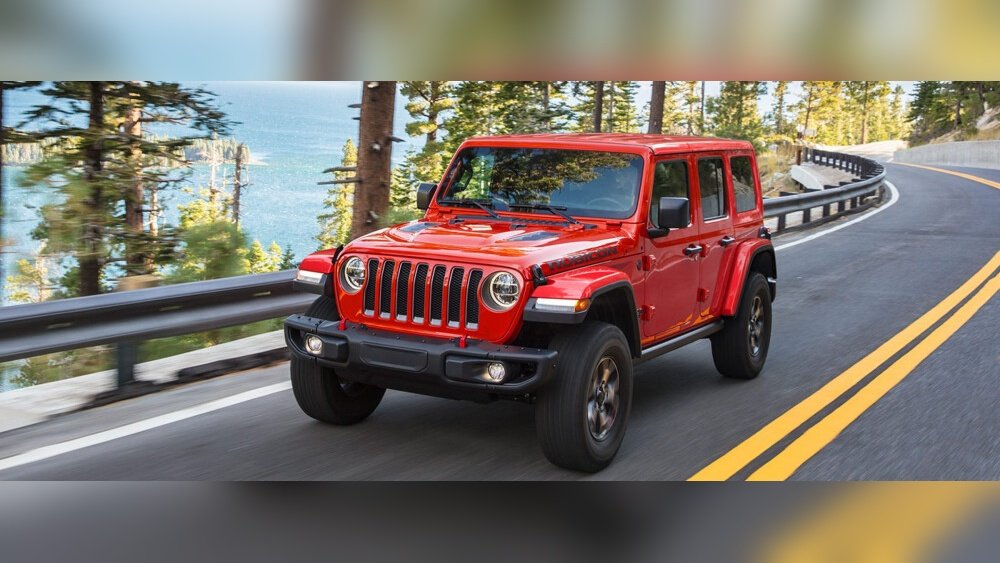
Driving a standard Jeep (manual transmission) is an exciting skill that connects you to the roots of adventure driving. Many people feel nervous about manual vehicles, but with the right guidance, it becomes a rewarding experience. Whether you plan to explore rough trails or simply want to master stick shift driving, this guide will help you learn confidently. You’ll get practical steps, clear examples, and useful tips. Let’s jump into the world of manual Jeeps and make your learning journey smooth.
Understanding The Standard Jeep
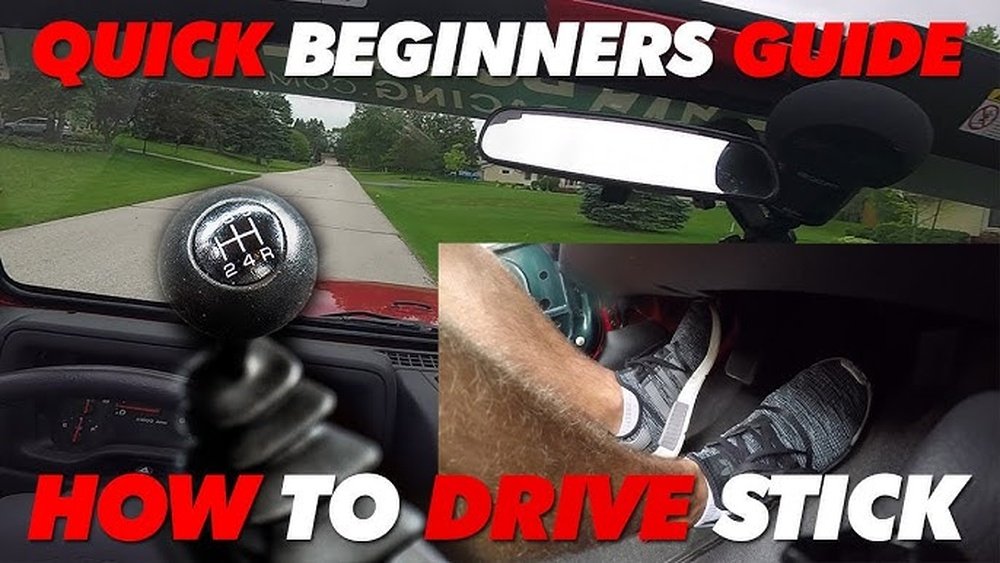
A standard Jeep uses a manual gearbox, which means you must shift gears yourself. Unlike automatic vehicles, you control both the clutch and the gear stick. This gives you more control, especially on tough terrain.
Key Components
- Clutch pedal: Leftmost pedal; press to change gears.
- Gear stick: Usually has 5 or 6 forward gears and one reverse.
- Brake pedal: Middle pedal for stopping.
- Gas pedal: Rightmost pedal for acceleration.
Common Jeep Models
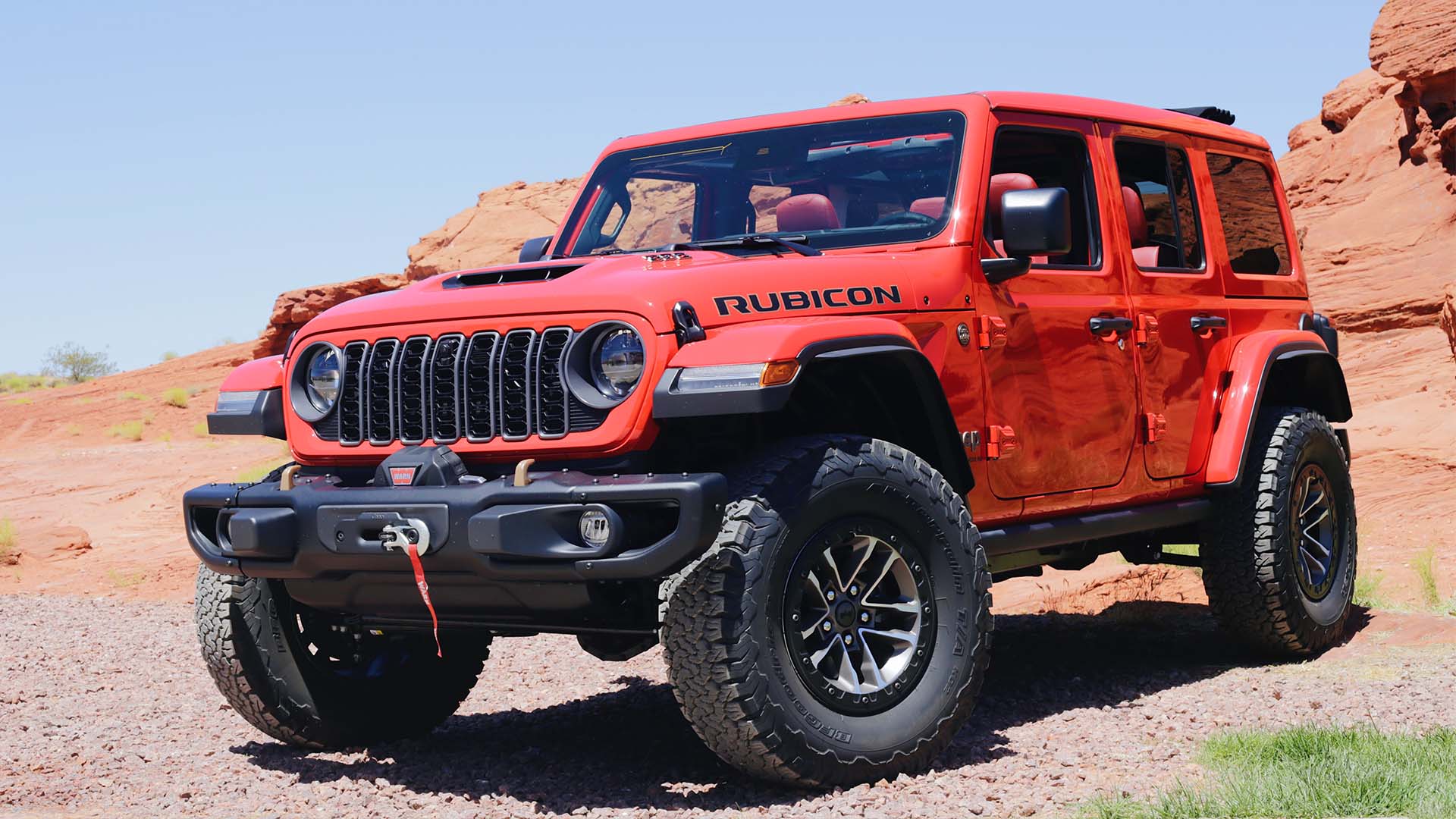
Most standard Jeeps include models like the Jeep Wrangler, Jeep Gladiator, and older Jeep Cherokee versions.
| Model | Transmission Type | Typical Gear Count |
|---|---|---|
| Jeep Wrangler | Manual | 6-speed |
| Jeep Gladiator | Manual | 6-speed |
| Jeep Cherokee (Classic) | Manual | 5-speed |
Steps To Drive A Standard Jeep
Learning to drive a manual Jeep starts with the basics. Follow these steps to build your confidence.
- Get Familiar with Controls
- Sit in the driver’s seat.
- Identify the clutch, brake, and gas pedals.
- Practice pressing the clutch fully with your left foot.
- Starting the Engine
- Press the clutch pedal all the way down.
- Turn the ignition key while holding the clutch.
- Make sure the gear stick is in neutral (center position).
- Shifting Into First Gear
- Keep the clutch pressed.
- Move the gear stick to first gear.
- Slowly release the clutch while gently pressing the gas.
- The Jeep will start to move forward.
- Changing Gears
- Increase speed and watch the RPM gauge (usually shift around 2,500–3,000 RPM).
- Press the clutch, move the gear stick to the next gear, release the clutch, and press the gas.
- Repeat for each gear as you accelerate.
- Stopping
- Press the brake to slow down.
- Press the clutch before coming to a complete stop.
- Shift the gear stick back to neutral.
- Reversing
- Press the clutch.
- Move the gear stick to reverse.
- Release the clutch slowly while controlling the gas.
Example: Starting On A Hill
If you start on a slope, use the handbrake for help. Press the clutch and gas as usual, then release the handbrake when you feel the Jeep moving forward. This prevents rolling back—a common beginner mistake.
Common Mistakes And How To Avoid Them
Manual driving feels tricky at first, but avoiding these mistakes makes your experience safer:
- Riding the clutch: Keeping your foot on the clutch pedal all the time. This causes wear and makes shifting harder.
- Stalling: Releasing the clutch too quickly without enough gas. Practice slow clutch release.
- Gear grinding: Not pressing the clutch fully before shifting. Always press the clutch pedal all the way down.
- Skipping gears: Shifting from first to third without enough speed. Always follow the correct gear sequence.
| Mistake | Impact | How to Fix |
|---|---|---|
| Riding the clutch | Quick clutch wear | Keep foot off clutch when not shifting |
| Stalling | Engine stops | Balance clutch and gas slowly |
| Gear grinding | Transmission damage | Press clutch fully before shifting |
Practical Tips For Driving A Standard Jeep
- Practice in a safe area: Start in an empty parking lot or quiet street.
- Listen to the engine: The sound tells you when to shift. Too loud means upshift; too slow means downshift.
- Use the RPM gauge: Shift gears when RPM reaches 2,500–3,000.
- Don’t rush: Take your time learning each step. Confidence grows with practice.
- Try different terrains: Once comfortable, drive on light hills, gravel, and mild off-road trails.
Non-obvious Insights
- Manual Jeeps are better for towing: The driver controls power delivery, making it easier to pull heavy loads or trailers.
- Clutch control is key for off-roading: When climbing rocks or crossing streams, keeping steady clutch control prevents jerky movements.
Comparison: Manual Vs. Automatic Jeep
Driving a manual Jeep is different from an automatic. Here’s how they compare:
| Feature | Manual Jeep | Automatic Jeep |
|---|---|---|
| Gear shifting | Driver-controlled | Automatic |
| Fuel efficiency | Often higher | Varies |
| Off-road control | More precise | Less direct |
| Learning curve | Steep | Easy |
Safety And Maintenance
Driving a standard Jeep means you must pay attention to safety and regular maintenance.
- Check clutch wear: If shifting feels rough, get the clutch checked.
- Inspect brakes: Manual vehicles require strong brakes, especially for off-roading.
- Tire condition: Good tires help with grip and safe driving.
- Follow maintenance schedule: Regular service keeps the Jeep running smoothly.
For more detailed info on vehicle maintenance, visit Wikipedia.
Frequently Asked Questions
How Long Does It Take To Learn To Drive A Standard Jeep?
Most people need about 10–15 hours of practice to become comfortable. The learning curve depends on your experience and confidence.
Can I Drive A Standard Jeep Off-road?
Yes, manual Jeeps are popular for off-roading because they offer better control on rough terrain.
What Should I Do If The Jeep Stalls?
Press the clutch, turn the key to restart the engine, and try again. Don’t panic stalling is common for beginners.
Is A Manual Jeep More Fuel-efficient?
Often yes, because you control the gears. However, efficiency depends on driving style and terrain.
Can I Switch From Manual To Automatic Easily?
Transitioning is simple. Automatic Jeeps require less effort, but you may miss the control and fun of manual driving.
Learning to drive a standard Jeep is a valuable skill that opens new adventure possibilities. With patience and practice, you’ll master manual driving and enjoy greater control on every journey. Whether you aim for city roads or rocky trails, remember to stay safe, maintain your Jeep well, and enjoy the ride.