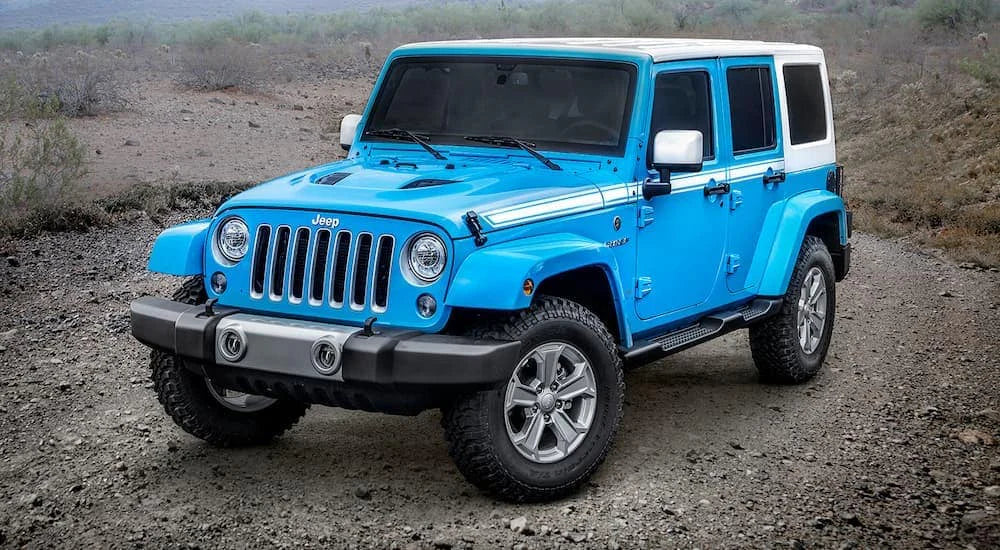
Many people love the Jeep Wrangler for its unique look, off-road ability, and open-air driving. But when you’re looking at a used Wrangler, you might ask: is it reliable after 100,000 miles? This question matters because Wranglers are often driven hard, and repairs can be expensive. Let’s take a close look at what you can expect from a Wrangler with six figures on the odometer, what issues may appear, and how to keep your Jeep running strong.
What Happens To A Wrangler After 100k Miles?
When a Jeep Wrangler hits 100,000 miles, it enters a zone where regular maintenance becomes more important. Many Wranglers last well beyond this mark, but your experience depends on factors like maintenance history, usage, and the specific model year.
Some owners report driving their Wranglers past 200,000 miles with few problems. Others encounter expensive repairs soon after the 100K milestone. This wide range comes from how Wranglers are used—some see rough trails, while others stick to city streets.
Common Wear And Tear
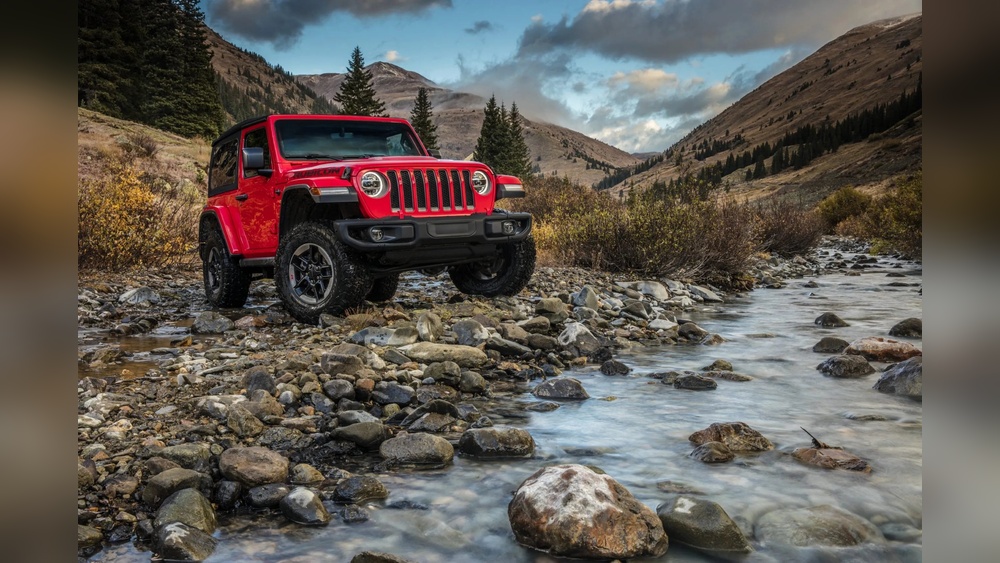
After 100,000 miles, you can expect to see:
- Suspension parts needing replacement
- Brakes wearing out faster if used off-road
- Rust in older models, especially on the frame
- Possible oil leaks from gaskets
These issues are not unique to the Wrangler, but the way these vehicles are driven can make them show up earlier.
Reliability By Wrangler Generation
Not all Wranglers are built the same. Here’s a look at how the main generations perform after 100,000 miles:
| Generation | Years | Reliability After 100K |
|---|---|---|
| YJ | 1987-1995 | Simple, but rust-prone |
| TJ | 1997-2006 | Strong engines, common leaks |
| JK | 2007-2018 | Mixed; avoid 2012 for engine issues |
| JL | 2018-present | Few long-term reports yet |
In general, the TJ and later JK Wranglers are seen as the most reliable after 100,000 miles, especially if they’ve been well-maintained.
Key Systems And What To Watch For
Every used Wrangler will have its own story, but here are some important systems to check closely after 100K miles.
Engine And Transmission
Wrangler engines, especially the 4. 0L inline-six, are known for their durability. The 3. 6L Pentastar V6 (2012+) is also considered reliable, but early 2012 models had cylinder head problems.
Automatics and manuals both last if serviced, but automatic transmissions in some JK models can develop shifting issues past 100K.
Suspension And Steering
Expect to replace shocks, bushings, and maybe ball joints. The “death wobble”—a strong vibration in the steering—can happen if suspension and steering parts are worn.
Rust And Body
Older Wranglers can rust badly in the frame and underbody, especially if driven in snowy or wet areas. Always check for rust before buying.
Cost Of Ownership After 100k
How much will you spend keeping a Wrangler reliable after 100,000 miles? Here’s a look at some typical costs:
| Component | Likely Service Needed | Estimated Cost |
|---|---|---|
| Brakes (full set) | Replace pads/rotors | $350 – $700 |
| Shocks/Struts | Replace all four | $400 – $900 |
| Oil leaks (gaskets) | Repair/replace gaskets | $250 – $1,000 |
| Ball joints | Replace all four | $300 – $600 |
Surprise repairs are more likely after 100K, so budgeting an extra $1,000–$2,000 per year for maintenance is smart.
Real-world Owner Experiences
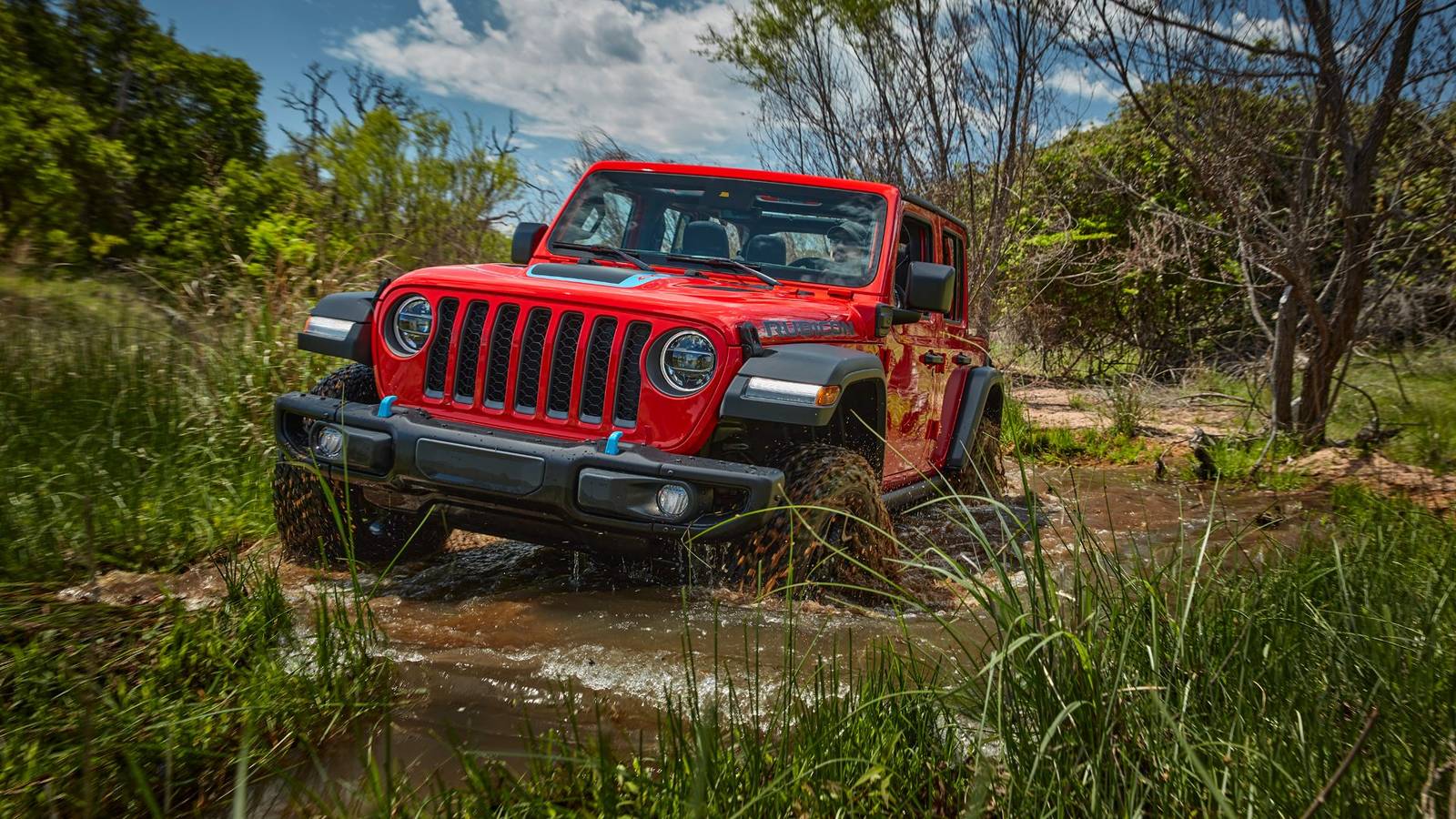
Many Wrangler owners proudly share stories of reaching 150,000 or even 250,000 miles. They credit this to regular oil changes, fixing small problems early, and not ignoring noises. Some drivers who use their Wranglers for tough off-roading see more repairs, but the vehicles are still known for simple mechanics and a large community of support.
One non-obvious tip: many high-mileage Wranglers have had aftermarket modifications. Some mods can improve reliability, like upgraded suspension, but others (like big tires or lifts) may put extra stress on parts. Always check modifications before buying.
Another insight is that Wrangler interiors tend to age well. Hard plastics and simple controls don’t break easily, so the inside of a 100K Wrangler often looks better than other SUVs from the same year.
How To Make A Wrangler Last Longer
If you want a Wrangler to keep going well past 100,000 miles, here’s what helps most:
- Stick to the maintenance schedule—don’t skip oil changes, fluid checks, or timing belt replacements (if equipped).
- Wash the undercarriage after winter or off-roading to prevent rust.
- Listen for new noises and fix problems early to avoid bigger repairs.
- Use quality replacement parts, especially for suspension and steering.
- Drive gently if possible—aggressive driving or heavy off-roading wears parts faster.
Is Buying A High-mileage Wrangler Worth It?
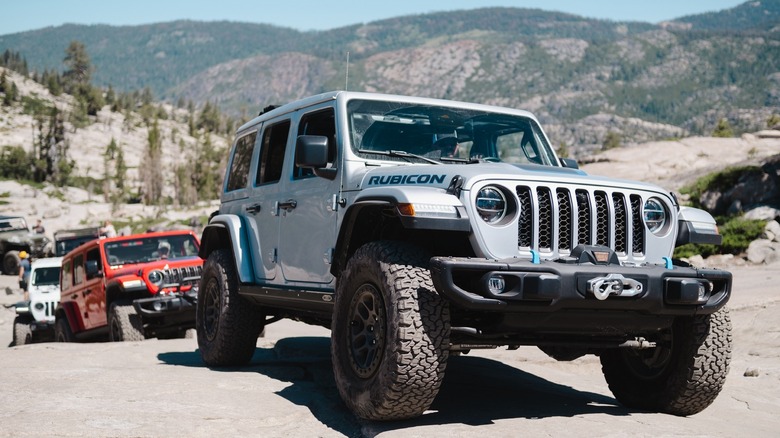
Buying a Wrangler with over 100,000 miles can be a good choice if the price is right and the vehicle was well cared for. Wranglers hold their value, so you may pay more than for other SUVs with similar miles.
Always get a trusted mechanic to inspect it, checking for rust, leaks, and worn suspension.
High-mileage Wranglers can be a smart buy for DIY mechanics. Parts are widely available and many repairs can be done at home. However, if you plan to use the vehicle as a daily driver and want very low maintenance, a newer SUV might be a better option.
For more data on Wrangler reliability, you can check trusted resources like Consumer Reports.
Frequently Asked Questions
How Long Do Jeep Wranglers Usually Last?
With proper care, many Wranglers reach 200,000 miles or more. Some go even farther, especially the 4.0L models.
Are Wranglers Expensive To Maintain After 100k Miles?
Maintenance costs rise after 100K, with $1,000–$2,000 per year common for repairs and service. DIY repairs can lower costs.
What Are The Biggest Problems After 100,000 Miles?
Suspension wear, oil leaks, rust, and sometimes transmission issues are the most common. “Death wobble” can appear if front-end parts are loose or worn.
Should I Buy A Wrangler With More Than 100k Miles?
Yes, if it’s in good shape and priced fairly. Always check for rust, leaks, and get a mechanic’s inspection before buying.
Do Newer Wranglers (jl) Have Fewer Issues After 100k?
It’s too early to say, as most JL Wranglers haven’t reached high mileage yet. Early signs are positive, but long-term reliability is still being measured.
Jeep Wranglers can be reliable after 100,000 miles if cared for properly. With smart maintenance and careful buying, you can enjoy many more miles of fun—on and off the road.