If you’re deciding between a Jeep and a truck, you’re not alone. Many drivers face this choice, especially if they want a vehicle for both daily use and adventure. While both offer power and versatility, they excel in different ways. Let’s break down the real differences, so you can find the best fit for your needs.
What Makes A Jeep Unique?
Jeeps are famous for their off-road ability. Models like the Jeep Wrangler and Jeep Grand Cherokee handle rocky trails, mud, and snow with ease. Their compact size and short wheelbase make them nimble, especially on narrow paths.
A key feature of most Jeeps is 4×4 drive systems. These provide strong traction, important for climbing hills or driving on sand. Jeeps also have high ground clearance, which means they can drive over obstacles without getting stuck.
Many Jeep owners love the open-air feeling. You can remove the doors or roof on some models, making them perfect for outdoor fans.
But there’s a trade-off. Most Jeeps have less cargo space compared to trucks. Their ride can also feel rougher, especially on highways.
What Trucks Offer
Pickup trucks like the Ford F-150 or Chevrolet Silverado are built for work and towing. They often have larger engines, which means more horsepower and torque. This makes them ideal for pulling boats, trailers, or carrying heavy loads.
Trucks usually have a cargo bed. This open space lets you haul everything from furniture to construction materials. The payload and towing capacity are much higher than most SUVs, including Jeeps.
Modern trucks now come with more comfort features. You’ll find advanced infotainment systems, heated seats, and smooth suspensions in newer models.
However, trucks are bigger and harder to park in tight spots. Their fuel economy can also be lower, especially with bigger engines.
Head-to-head Comparison
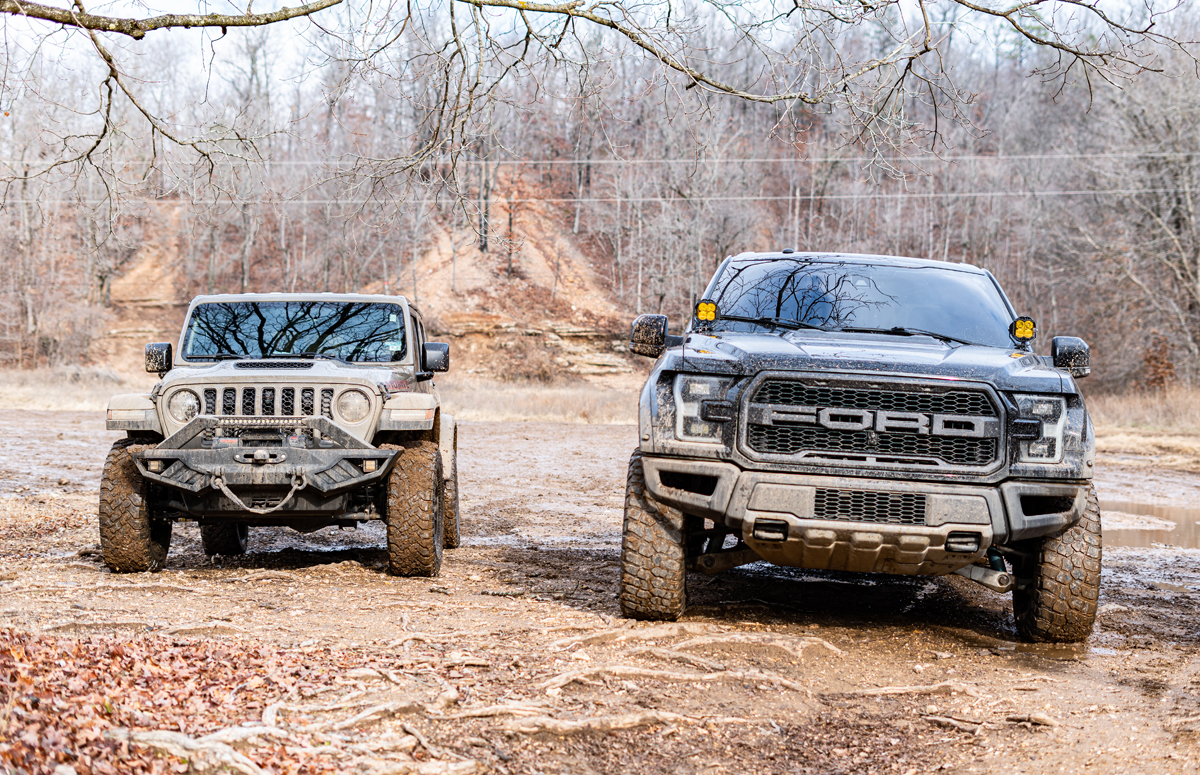
Let’s compare Jeeps and trucks in some key areas. This first table shows how a typical Jeep Wrangler matches up against a Ford F-150 pickup truck.
| Feature | Jeep Wrangler | Ford F-150 |
|---|---|---|
| Off-Road Capability | Excellent | Good |
| Towing Capacity | Up to 3,500 lbs | Up to 14,000 lbs |
| Cargo Space | Limited | Large Bed |
| Fuel Economy | 17–25 mpg | 15–25 mpg |
| Seating | 4–5 | Up to 6 |
When To Choose A Jeep
A Jeep is best if you:
- Love off-roading or adventure travel
- Live in areas with snow, mud, or rough roads
- Prefer a compact vehicle for city and trail use
- Enjoy open-air driving
Jeeps are also easy to customize. Many owners add bigger tires, winches, or special lights. But, keep in mind that adding many accessories can impact fuel economy and ride comfort.
Some new Jeep models, like the Jeep Gladiator, offer a truck bed. But even then, their towing and payload stay below full-size trucks.
When A Truck Makes More Sense
Go for a truck if you:
- Need to tow heavy trailers or boats
- Haul large items often
- Want more power for highway driving or work tasks
- Value extra space and comfort
Trucks now come in many sizes, from mid-size to heavy-duty. You can pick a smaller model if you want better fuel economy and easier handling.
It’s important to check bed length and cab type. A longer bed means more cargo space but makes parking harder. Crew cabs offer more seating but less bed space.
Cost And Ownership Insights
Both Jeeps and trucks can be expensive, especially with extra features. Insurance is often higher for trucks due to their size and repair costs.
Here’s a quick look at estimated yearly costs:
| Expense | Jeep Wrangler | Ford F-150 |
|---|---|---|
| Average Price (2024) | $32,000 | $36,000 |
| Insurance | $1,400 | $1,600 |
| Maintenance (annual) | $500 | $650 |
| Fuel (15,000 miles) | $2,200 | $2,600 |
These numbers can change based on location, driving style, and the trim level you choose.

Two Insights New Buyers Miss
- Resale value: Jeeps often keep their value well, especially models like the Wrangler. But trucks with high trim levels or work use can lose value faster.
- Insurance surprises: Many think Jeeps are cheaper to insure, but off-road features and theft risk can increase premiums. Always check rates for your specific model.
Practical Tips For Choosing
- Test drive both types, on and off regular roads if possible.
- Check if you’ll really use all features. Many people buy a truck for one big move, then never use the bed again.
- Look at the total cost of ownership, not just the sticker price.
- If you park in a city, measure your garage or spot to make sure a truck fits.
Real-world Example
Tom lives in Colorado and loves to ski. He chose a Jeep Wrangler for weekend trips to the mountains. The 4×4 system helps him in snow, and the small size fits city parking. His friend Mike, a contractor, needs to carry tools and tow equipment. Mike drives a Ford F-150, which handles heavy loads and long highway drives with ease.
Frequently Asked Questions
Is A Jeep Better Than A Truck For Winter Driving?
Both perform well in snow if equipped with 4×4 or all-wheel drive. Jeeps have high ground clearance, which helps in deep snow. Trucks can handle icy roads if you add weight in the bed and use good tires.
Which Lasts Longer, A Jeep Or A Truck?
It depends on maintenance and use. Trucks often reach 200,000 miles or more with good care. Jeeps can also last long, but heavy off-roading may mean more repairs.
Are Trucks Always More Expensive Than Jeeps?
Not always. Base trucks can cost less than a fully loaded Jeep. But when you add options, trucks usually end up more expensive due to size and features.
Can You Take A Truck Off-road Like A Jeep?
Some trucks, especially models like the Toyota Tacoma TRD Pro or Ford F-150 Raptor, are built for off-road. However, Jeeps have better approach angles and are easier to maneuver on tight trails.
Where Can I Learn More About Trucks And Jeeps?
You can find detailed reviews and specs on Edmunds, which helps compare models.
Choosing between a Jeep and a truck comes down to how you’ll use your vehicle. Focus on what matters most: adventure, work, or daily comfort. Take your time, and you’ll find the right match for your lifestyle.