Buying a used Jeep Wrangler can be exciting. These vehicles are known for their off-road capability and rugged style. But not every Wrangler year offers the same reliability. Some have costly problems that can ruin your adventure. If you want to avoid expensive mistakes, it’s important to know which Jeep Wrangler years to avoid—and why.
Why Some Wrangler Years Are Risky
Not all Wranglers are built the same. Over the years, Jeep has made changes to engines, electronics, and body designs. Some years saw new features, but also new problems. Issues like engine trouble, frame rust, and transmission failures have affected certain models more than others.
Buying a Wrangler with these flaws can mean high repair bills, safety concerns, and less fun on the road or trail. It’s not just about age or mileage. Even newer models can have hidden issues if they come from a “bad” year.
Jeep Wrangler Years To Avoid
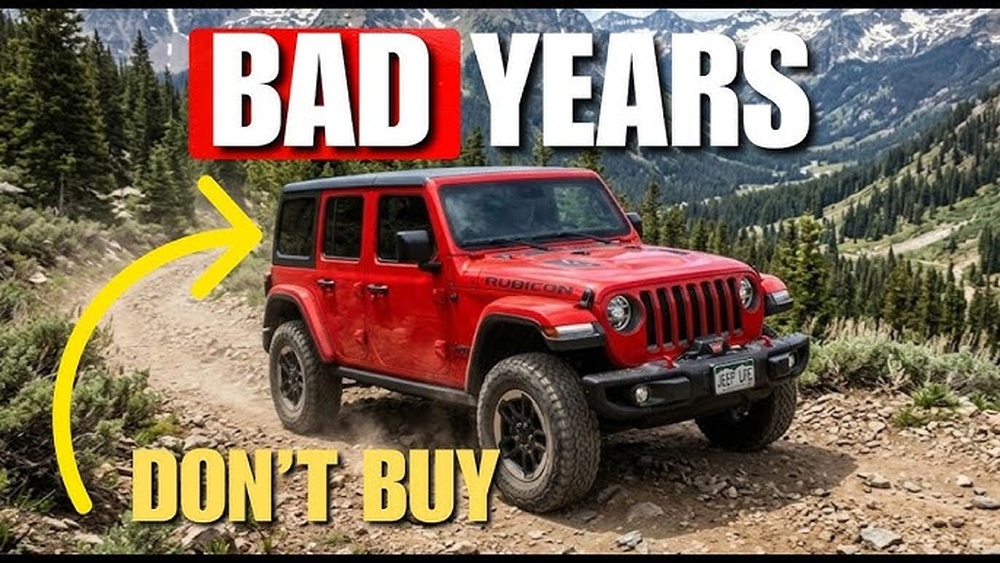
Let’s look at the most commonly reported problem years. These years have more complaints, recalls, or well-known reliability issues.
| Model Year | Main Problems | Estimated Repair Cost |
|---|---|---|
| 2007 | Electrical, TIPM failure, leaks | $1,200 – $2,000 |
| 2008 | Engine, TIPM, steering | $1,000 – $4,000 |
| 2012 | Engine ticking, coolant leaks | $1,500 – $3,500 |
| 2014 | Transmission, airbag sensors | $800 – $2,500 |
| 2018 | Steering (“death wobble”), electronics | $1,000 – $3,000 |
2007–2008: Early Jk Generation
The 2007 and 2008 Wranglers were the first of the JK generation. These models introduced a new design and electronics, but also new problems. The main issue was the TIPM (Totally Integrated Power Module), which controls many electrical systems. When it fails, things like lights, windows, and even the engine can stop working. It’s an expensive fix.
Owners also report water leaks into the cabin and engine stalls. The 2008 model had more engine complaints, including rough idling and stalling.
2012: Engine And Cooling Problems
The 2012 Wrangler got a new engine: the 3.6L Pentastar V6. It’s powerful, but the early batches had cylinder head problems. Many owners heard a ticking noise, which turned out to be a sign of serious engine trouble. Repairs could cost thousands.
Another common 2012 issue is coolant leaks. If not fixed, the engine can overheat and fail.
2014: Transmission And Sensor Issues
In 2014, Jeep updated several components. However, some Wranglers suffered from transmission failures—especially automatics. Shifting could become rough or delayed. The year also saw many complaints about airbag sensors not working, which is a major safety risk.
2018: Death Wobble And Electronics
The 2018 Wrangler marked the start of the JL generation. While it brought new features, it also introduced the dreaded “death wobble”—a violent steering shake, often at highway speeds. This happens when the front suspension or steering components wear out or are poorly designed.
There were also reports of electronic glitches, including screen freezes and random warning lights.
Jeep Wrangler Years With Fewer Problems
Not all Wranglers have major issues. Some years stand out for better reliability. If you want to buy used, these years are generally safer:
| Model Year | Why It’s Better |
|---|---|
| 2010 | Fewer engine and electrical complaints |
| 2015 | Improved transmission and sensors |
| 2017 | Refined engine, less “death wobble” |
| 2020 | Latest safety and tech, few recalls |
Still, always check service history and have a mechanic inspect any Wrangler before buying.
Common Mistakes When Buying A Used Wrangler
Many buyers focus only on price or looks. But with Wranglers, mistakes can be costly.
- Ignoring Rust: Frame and underbody rust is a serious problem, especially in older models or those from snowy regions. Rust can mean the Jeep isn’t safe for off-roading.
- Skipping Vehicle History Reports: Always check for accidents, floods, or lemon law buybacks.
- Not Inspecting the Soft Top: Replacing a soft top is expensive, and leaks are common.
- Overlooking Recalls: Some years have open recalls that haven’t been fixed. Always check the VIN on the official NHTSA site.
How To Check A Wrangler Before Buying
A simple test drive isn’t enough. Here’s what you should do:
- Check for leaks—look under the Jeep for oil, coolant, or water.
- Listen for engine ticks or knocking.
- Drive at highway speeds and watch for steering shake.
- Test all electronics—windows, locks, lights, and infotainment.
- Look for rust—especially under the doors and on the frame.
If you’re not sure, get a trusted mechanic to inspect it. Spending a little now can save you thousands later.
Real-world Example: How Much Can Problems Cost?
Let’s say you find a cheap 2012 Wrangler. It seems like a great deal, but after a few months, you notice an engine tick. A new cylinder head can cost $2,500 or more. Add labor, and your “deal” is now very expensive.
Or imagine buying a 2007 model with a faulty TIPM. Replacing it can cost $1,200 to $2,000. These surprise costs are why picking the right year matters.
Jeep Wrangler Reliability: Jk Vs Jl
The two most recent generations are JK (2007–2018) and JL (2018–present). Here’s a quick comparison:
| Generation | Main Issues | Best Years |
|---|---|---|
| JK (2007-2018) | TIPM, engine, leaks | 2010, 2015, 2017 |
| JL (2018-Now) | Steering, electronics | 2020+ |
The JL has more tech, but early models had more bugs. JKs are simpler but watch for TIPM and engine issues.
What Most Buyers Miss
Many people don’t check for recall repairs. Even a reliable year can have open recalls if the owner didn’t fix them. Also, some Wranglers with new engines (like swapped Pentastar V6s) may hide past problems. Always ask for repair receipts.
Another detail: Off-road use is hard on a vehicle. Jeeps used for heavy off-roading may look fine but have hidden wear in the suspension or drivetrain.
For more details on Wrangler recalls and complaints, visit the official NHTSA website.

Frequently Asked Questions
What Is The “death Wobble” In Jeep Wranglers?
The death wobble is a violent steering shake, usually at highway speed. It’s most common in the 2007–2018 JK and early JL Wranglers. It’s often caused by worn suspension or steering parts.
Are Jeep Wranglers Expensive To Maintain?
Yes, Wranglers often cost more to maintain than regular SUVs. Off-road use, specialty parts, and known issues can add to repair bills.
Which Wrangler Year Is Most Reliable?
Many experts recommend the 2010, 2015, and 2017 Wranglers for their fewer complaints and improved components.
How Do I Check If A Wrangler Has Open Recalls?
You can enter the vehicle’s VIN on the NHTSA website to see any open recalls. This check is free and important before buying.
Is A High-mileage Wrangler A Bad Idea?
Not always. A well-maintained Wrangler with records can last over 200,000 miles. But avoid years with known engine or frame issues, no matter the mileage.
Choosing the right Jeep Wrangler year can save you stress and money. Do your research, inspect carefully, and don’t rush—your perfect adventure vehicle is out there!