The Jeep Compass and Jeep Cherokee have long been favorites among SUV enthusiasts. Both models promise adventure, comfort, and the power to tackle rough roads. But which one truly unleashes the power you need? If you’re shopping for a midsize SUV, knowing the differences can help you make the right choice.
Let’s compare their engines, design, features, and real-world performance to see which Jeep is the best fit for you.
Engine Performance And Power
Power is often the first thing buyers look at. The Jeep Compass comes standard with a 2.0-liter turbocharged engine, producing 200 horsepower and 221 lb-ft of torque. This engine offers solid acceleration for city driving and light off-roading.
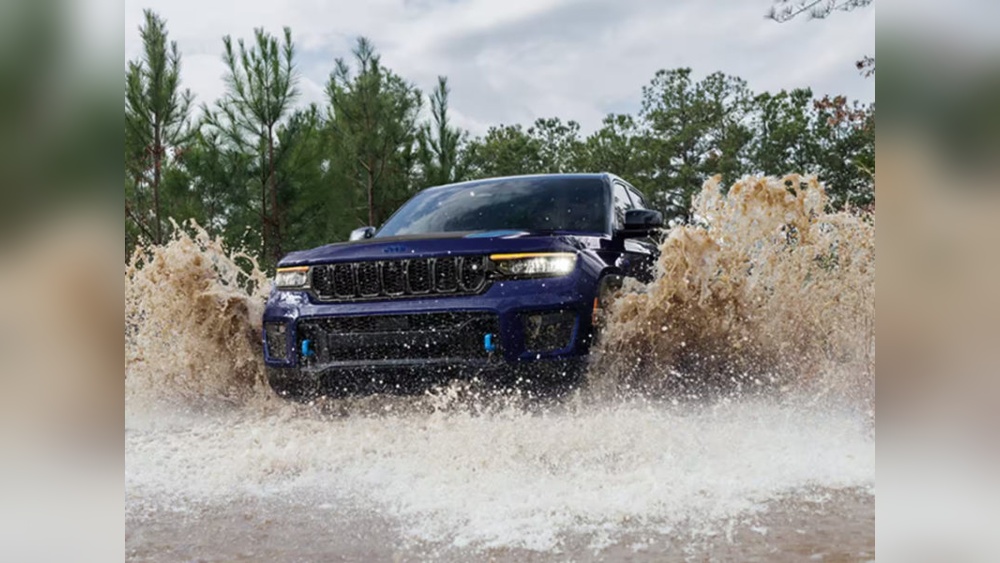
The Jeep Cherokee offers more options. Its base model uses a 2.4-liter engine with 180 horsepower, but higher trims feature a 2.0-liter turbocharged engine delivering 270 horsepower and 295 lb-ft of torque. For maximum power, the Cherokee also has a 3.2-liter V6 with 271 horsepower.
Here’s a quick engine comparison:
| Model | Engine Options | Horsepower | Torque (lb-ft) |
|---|---|---|---|
| Compass | 2.0L Turbo | 200 | 221 |
| Cherokee | 2.4L / 2.0L Turbo / 3.2L V6 | 180 / 270 / 271 | 171 / 295 / 239 |
The Cherokee’s V6 gives it an edge for towing and steep climbs. If you want more engine choices and higher torque, the Cherokee stands out.
Design And Comfort
The Compass and Cherokee both reflect Jeep’s rugged style, but they have distinct personalities. The Compass is more compact, with a length of 173 inches, making it easier to park and maneuver in urban areas. The Cherokee is larger at 182 inches, offering more cabin space and cargo room.
Interior features are similar, with options like leather seats, heated steering wheels, and large touchscreens. However, the Cherokee’s extra space means more comfort for back-seat passengers and road trips.
| Model | Cargo Volume (cu ft) | Passenger Capacity | Length (inches) |
|---|---|---|---|
| Compass | 27.2 | 5 | 173 |
| Cherokee | 54.7 | 5 | 182 |
A non-obvious insight: The Cherokee’s fold-flat front passenger seat lets you transport long items, which is rare in this segment.
Features And Technology
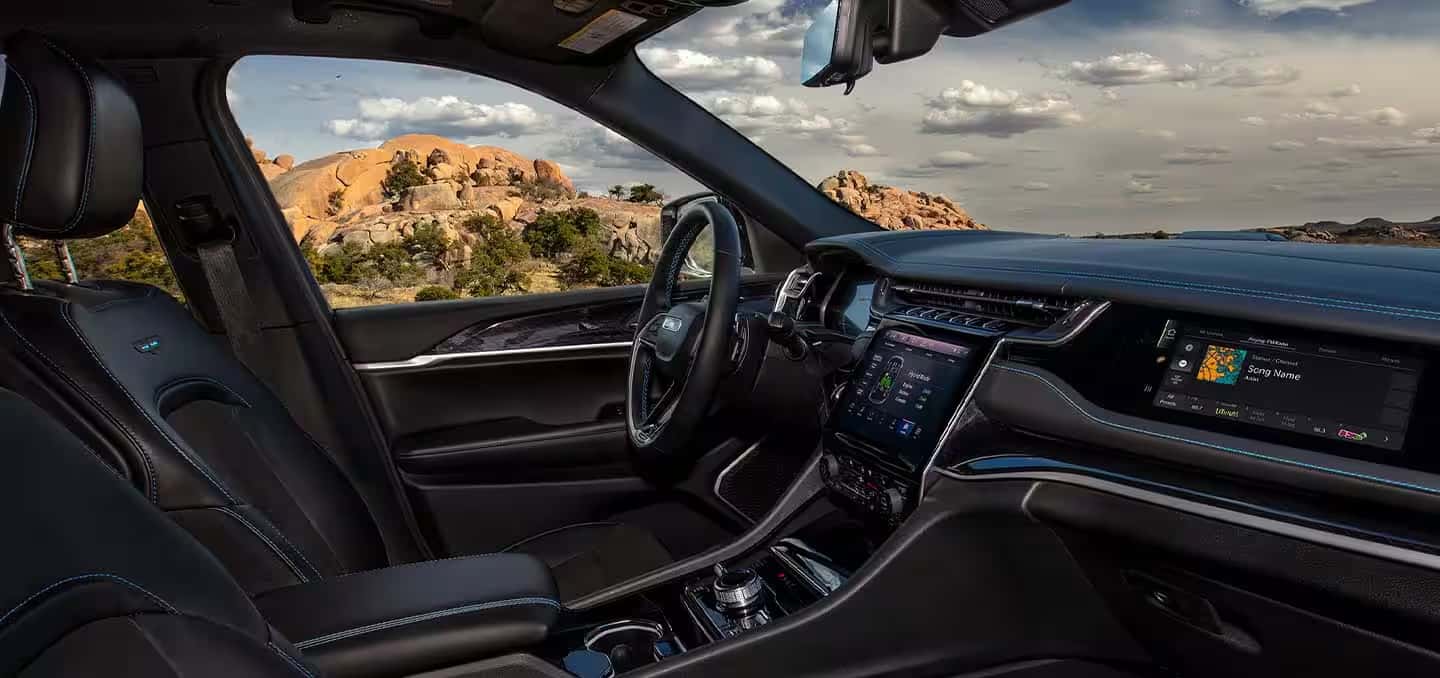
Both models offer modern features, but the Cherokee usually gets more advanced options. The Compass comes with a 10.1-inch touchscreen, wireless Apple CarPlay/Android Auto, and standard safety features like blind spot monitoring.
The Cherokee includes similar tech, plus available upgrades such as premium audio systems, navigation, and adaptive cruise control. An extra feature in the Cherokee: the Active Drive Lock 4×4 system, useful for serious off-roading.
Let’s look at some standout features:
- 10.1-inch touchscreen (Compass and Cherokee)
- Wireless smartphone integration (Compass and Cherokee)
- Adaptive cruise control (Cherokee only)
- Advanced 4×4 systems (Cherokee only)
- Remote start and heated seats (Both)
Most buyers overlook the Cherokee’s customizable drive modes, which adjust power and traction for snow, mud, or sand.
Off-road Capability
Jeep is known for its off-road prowess. The Compass Trailhawk trim is designed for rough terrain, with skid plates, tow hooks, and a raised suspension. It has a 4WD system that handles mud and snow well.
The Cherokee Trailhawk is even more capable. It comes with Active Drive Lock, hill descent control, and a locking rear differential. The Cherokee’s higher ground clearance and stronger engine make it better for challenging trails.
Here’s a brief off-road comparison:
| Model | Ground Clearance (inches) | 4×4 System | Special Features |
|---|---|---|---|
| Compass Trailhawk | 8.5 | Jeep Active Drive Low | Skid plates, tow hooks |
| Cherokee Trailhawk | 8.7 | Active Drive Lock | Locking rear diff, hill descent |
If you plan to go off-road often, the Cherokee is the clear winner.
Real-world Fuel Economy
Fuel efficiency matters, especially for daily drivers. The Compass gets 24 mpg city/32 mpg highway, making it one of the most efficient Jeeps. The Cherokee’s V6 gets 20 mpg city/29 mpg highway, while the turbo 2.0L achieves 23 mpg city/31 mpg highway.
While both are reasonable for SUVs, the Compass is better for saving on gas. This is important if you drive long distances or commute daily.
Pricing And Value
The Compass starts at $29,995 for the base model. The Cherokee’s base price is around $37,000, with higher trims costing more. The extra price for the Cherokee reflects its stronger engine, bigger size, and advanced features.
A common mistake is assuming the Compass is always cheaper. Once you add options, the price gap narrows. Compare the trims carefully before buying.

Which Jeep Unleashes The Power For You?
If you want a compact SUV with good fuel economy and stylish design, the Compass is a smart choice. It’s easier to drive in cities and still offers real Jeep capability.
If you need more power, advanced features, and true off-road strength, the Cherokee is the better pick. Its bigger engine options and customizable drive modes unlock more adventure.
Both models have strong resale value and loyal fans. Test drive both to feel the difference. For more official specs, visit the Jeep Official Site.
Frequently Asked Questions
Is The Jeep Cherokee More Powerful Than The Compass?
Yes, the Cherokee offers higher horsepower, especially with its V6 engine. It’s better for towing and off-road driving.
Which Jeep Has Better Fuel Economy?
The Compass is more fuel-efficient, with up to 32 mpg highway. The Cherokee uses more fuel, especially in the V6 version.
Are Both Models Good For Off-roading?
Both are capable, but the Cherokee Trailhawk is superior for tough trails due to its higher ground clearance and advanced 4×4 system.
Is The Compass Cheaper Than The Cherokee?
The Compass has a lower starting price. However, adding options can make the price difference smaller. Always compare trims before buying.
Which Model Is Better For Families?
The Cherokee offers more cabin space and cargo room, making it better for families or road trips. The Compass is easier to park and drive in the city.