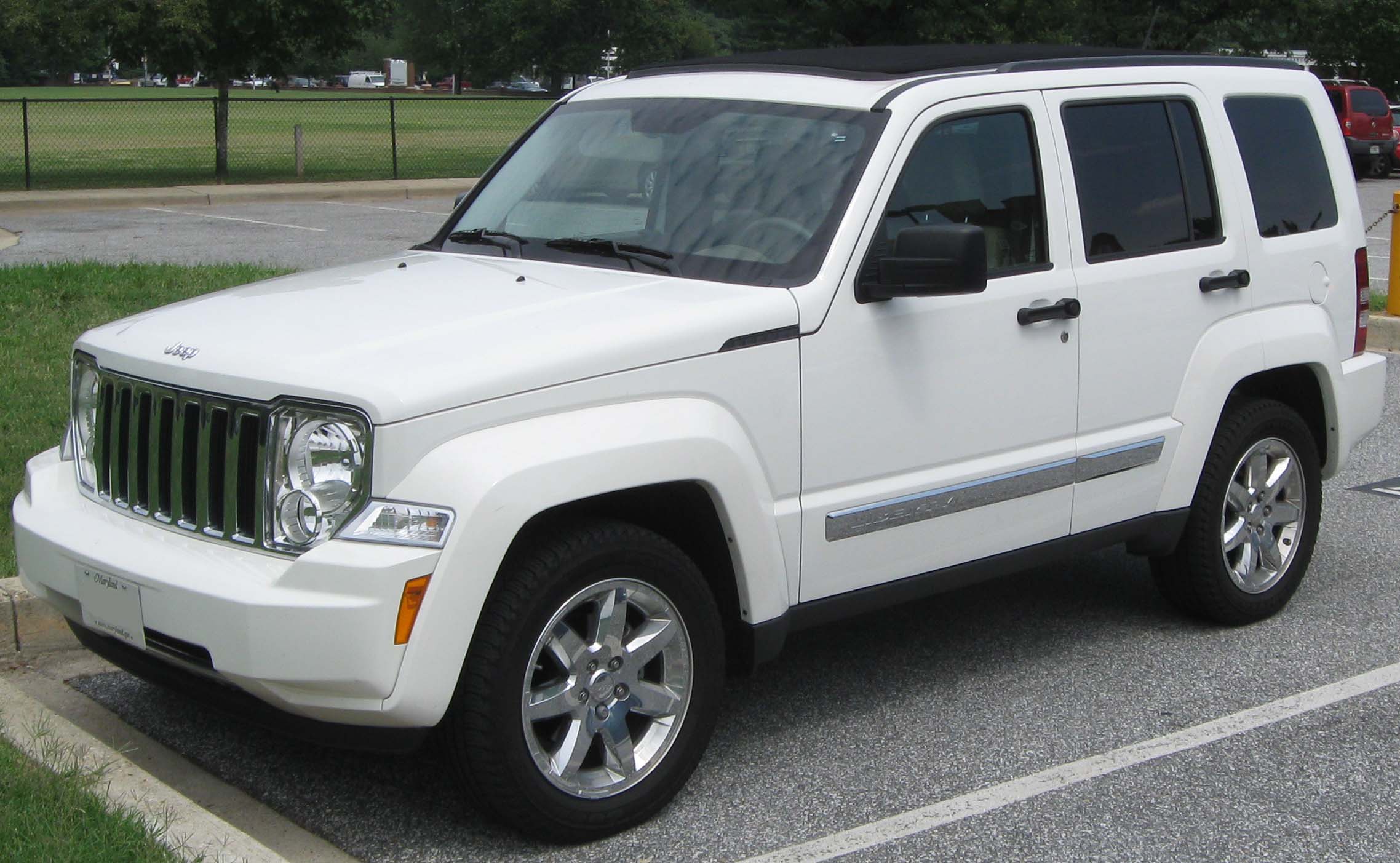
Is A Jeep Liberty A Good Vehicle
When you see a Jeep Liberty on the road, it stands out with its boxy shape and rugged design. But is it a smart choice for your next vehicle? This question comes up often for drivers who want a strong SUV without spending a fortune. The Jeep Liberty, made from 2002 to 2012, promises off-road ability and classic Jeep style. However, its reputation is mixed. Here’s a clear look at what you can expect if you’re considering a Jeep Liberty.
Key Strengths Of The Jeep Liberty
The Jeep Liberty was designed to fill the gap between the smaller Jeep Cherokee and the larger Grand Cherokee. It’s meant to offer the best of both worlds: compact size for city driving and enough power for weekend adventures.
Notable advantages include:
- Off-road capability: The Liberty offers strong 4×4 systems, including the rugged Command-Trac and Selec-Trac. These are great for rough trails and slippery roads.
- Towing capacity: The 3.7-liter V6 engine can tow up to 5,000 pounds, which is above average for its class.
- Affordable price: Used Jeep Libertys often cost less than similar SUVs, making them accessible for budget-minded buyers.
Practical Example
Many owners use the Liberty for camping or fishing trips. Its short wheelbase helps in tight trails, and the 4WD can handle mud or snow. If you need a daily driver that can also pull a small boat or trailer, the Liberty is a reasonable choice.
Common Weaknesses And Reliability Concerns
No vehicle is perfect, and the Jeep Liberty has its share of problems. It’s important to know these before making a decision.
Frequent issues include:
- Transmission problems: Some Libertys, especially the 2002–2007 models, have reports of transmission failure.
- Suspension wear: Ball joints and control arms often wear out early, leading to expensive repairs.
- Fuel economy: The Liberty averages 15–22 mpg, which is low compared to modern compact SUVs.
Here’s a look at how the Liberty compares to similar vehicles in major reliability areas:
| Vehicle | Engine Trouble Rate | Transmission Trouble Rate | Average Repair Cost |
|---|---|---|---|
| Jeep Liberty (2008) | Moderate | High | $500–$1,200 |
| Toyota RAV4 (2008) | Low | Low | $350–$900 |
| Ford Escape (2008) | Moderate | Moderate | $400–$950 |
Two Insights Most People Miss
- Rust issues: The Liberty is prone to frame rust, especially in states that use road salt. This can affect safety and resale value.
- Window regulator failures: Many owners report broken power windows, a small but annoying repair that happens more often than in other SUVs.

Interior Comfort And Features
While the Jeep Liberty is not a luxury SUV, it’s comfortable enough for most drivers. The interior design focuses on function, with simple controls and easy-to-clean materials.
Key points:
- Space: Seats five people, with decent headroom and legroom for its size.
- Cargo: The rear cargo area is 31 cubic feet with seats up, expanding to 64 cubic feet with seats folded.
- Features: Basic models have manual locks and windows, while higher trims add Bluetooth, upgraded stereo, and leather seats.
Let’s compare its space with two popular rivals:
| Vehicle | Passenger Capacity | Cargo Volume (Max) |
|---|---|---|
| Jeep Liberty | 5 | 64 cu ft |
| Honda CR-V | 5 | 72 cu ft |
| Chevrolet Equinox | 5 | 63.7 cu ft |
Everyday Usability
For families, the Liberty works well for errands and short trips. The rear seats fold flat, making it easy to haul groceries or sports gear. However, taller adults may find the back seat less comfortable on long drives.
Cost Of Ownership
Buying a used Jeep Liberty can save you money up front, but ongoing costs matter too. Let’s break down what you might expect.
- Insurance: The Liberty’s insurance rates are average for its class.
- Maintenance: Routine maintenance (oil changes, brakes) is affordable. However, major repairs, like engine or suspension work, can be costly.
- Depreciation: Since the Liberty is no longer made, its value drops faster than newer SUVs.
Here’s a snapshot of estimated yearly costs:
| Expense | Average Yearly Cost |
|---|---|
| Insurance | $1,100 |
| Maintenance & Repairs | $600–$1,000 |
| Fuel (15,000 miles/year) | $2,100–$2,600 |
Common Mistakes
Many buyers focus only on the low price but forget to check for rust or ask about major repairs. Always get a pre-purchase inspection by a trusted mechanic. This can save you from unexpected bills.

Who Should (and Shouldn’t) Buy A Jeep Liberty?
The Jeep Liberty works best for:
- Drivers who need real off-road ability on a budget
- People who tow small trailers or boats
- Those who don’t mind basic interiors
It’s not ideal for:
- Families needing lots of back seat space
- Drivers who want top fuel economy
- Anyone looking for the latest technology or luxury features
If you want an affordable, rugged SUV and are ready for higher gas bills and occasional repairs, the Liberty is a practical choice. But if you drive mostly in the city and value comfort or reliability over off-road skills, consider options like the Toyota RAV4 or Honda CR-V.
Frequently Asked Questions
Is The Jeep Liberty Good For Daily Driving?
The Liberty is fine for daily use, especially if you like a higher driving position and need 4WD. However, its low gas mileage and stiff ride may be less comfortable for long commutes.
How Long Does A Jeep Liberty Last?
With regular maintenance, many Libertys reach 150,000–200,000 miles. Key parts like the transmission or suspension may need repair along the way.
Does The Liberty Do Well In Snow?
Yes, with 4WD, the Liberty handles snow and ice better than many compact SUVs. Use quality tires for best results.
Are Repairs Expensive?
Basic maintenance is affordable, but some repairs—like transmission or window regulators—are costly. Parts are widely available, which helps control prices.
Is The Jeep Liberty A Safe Vehicle?
The Liberty scores average in crash tests. It has airbags and stability control, but newer SUVs offer more advanced safety features. Check crash ratings on the IIHS website before buying.
The Jeep Liberty has strengths and weaknesses. It’s a solid choice for those who value off-road ability and don’t mind higher running costs. Do your research, check for rust, and make sure it fits your needs before making a purchase.