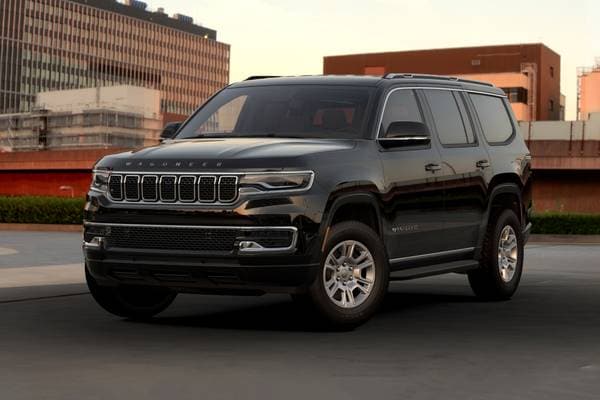
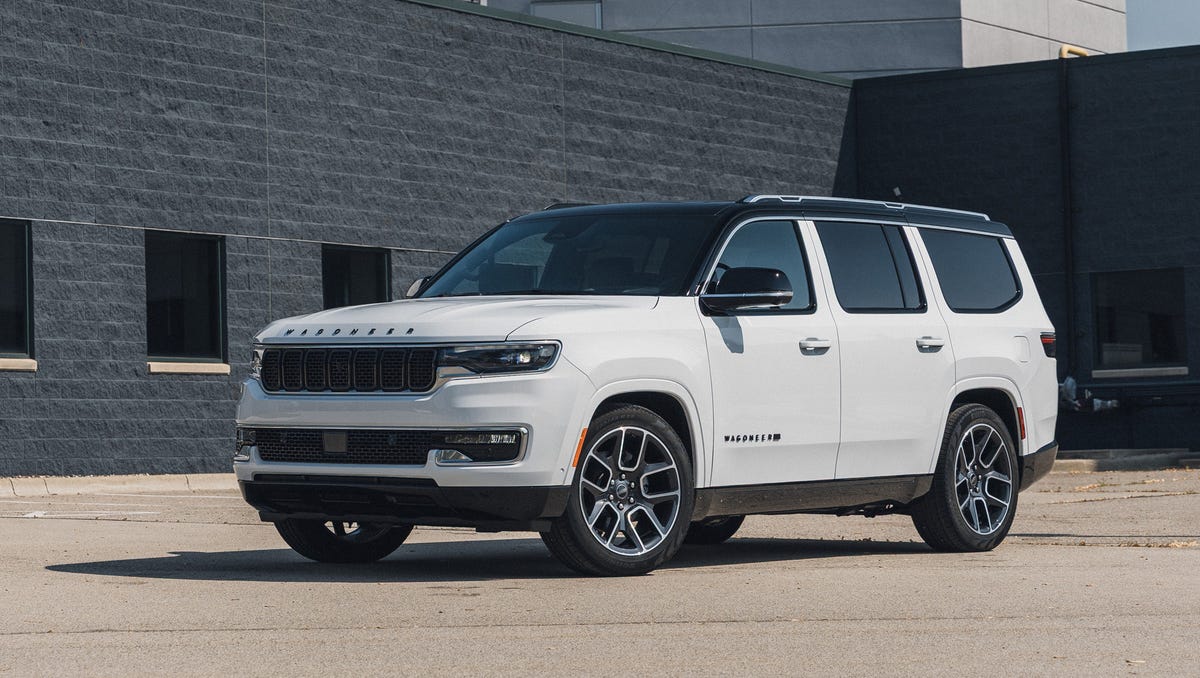
Buying a new car is a big decision, especially when you are looking at large SUVs. The Jeep Wagoneer is a name that many remember from the past, but the modern model is very different. Today’s Wagoneer promises luxury, strong performance, and family-friendly features. But is it a good car for you? Let’s break down what makes the Jeep Wagoneer stand out, and what you should know before making a choice.
Performance And Driving Experience
The Jeep Wagoneer is built for power and comfort. It comes with a strong 5.7-liter V8 engine, delivering about 392 horsepower. This means the Wagoneer can handle highways, mountain roads, and even towing heavy trailers (up to 10,000 pounds).
Drivers notice that the ride is smooth. The suspension absorbs bumps easily. Steering feels stable, even at high speeds. One small detail beginners might miss: the Wagoneer offers a mild hybrid system called “eTorque.” This helps save some fuel during city driving, though not as much as a true hybrid.
Here’s a quick comparison of the Wagoneer’s engine options:
| Engine | Horsepower | Towing Capacity | Fuel Economy (mpg) |
|---|---|---|---|
| 5.7L V8 w/ eTorque | 392 | 10,000 lbs | 16 city / 22 highway |
| 3.0L Hurricane Twin Turbo I6 | 420 | 10,000 lbs | 17 city / 23 highway |
However, you should know that the Wagoneer is a large vehicle. Parking in tight spaces and handling narrow streets can be difficult. Beginners often underestimate how much space it really needs.
Interior Comfort And Features
Step inside the Jeep Wagoneer and you’ll see why it is often called a luxury SUV. The seats are soft, made from real leather, and there is space for up to eight people. Even adults can sit comfortably in the third row, which is rare for SUVs.
The dashboard comes with a 12-inch touchscreen for navigation, music, and phone connection. There’s also a digital display for the driver and many USB ports for charging devices. What surprises many first-time buyers is the standard features: even the base model includes heated seats, tri-zone climate control, and a premium sound system.
Here’s a look at the Wagoneer’s main interior features compared to two popular rivals:
| Feature | Wagoneer | Chevrolet Tahoe | Ford Expedition |
|---|---|---|---|
| Seating Capacity | 8 | 7-8 | 8 |
| Touchscreen Size | 12″ | 10.2″ | 12″ |
| Leather Seats | Standard | Optional | Optional |
| USB Ports | 8 | 6 | 6 |
One non-obvious insight: the Wagoneer’s cargo space is excellent. With all seats in use, it still offers more room for bags than most SUVs in its class. This makes it practical for families or group trips.
Safety And Reliability
Safety is a big concern for anyone buying a family car. The Jeep Wagoneer comes with advanced safety systems as standard. These include blind-spot monitoring, forward collision warning, automatic emergency braking, and lane-keeping assist.
The Wagoneer has not been tested by the NHTSA for crash ratings yet, but Jeep’s other models usually score high. Reliability is another key point. Jeep is improving, but buyers should know that new models can have minor electronic issues. For example, early Wagoneers had some software bugs in the infotainment system, though most are fixed with updates.
Here’s how the Wagoneer’s safety tech compares:
| Safety Feature | Wagoneer | Tahoe | Expedition |
|---|---|---|---|
| Blind Spot Monitoring | Standard | Standard | Standard |
| Automatic Emergency Braking | Standard | Optional | Optional |
| Lane Keeping Assist | Standard | Optional | Optional |
A practical tip: Always check for recalls and software updates before buying a used Wagoneer. This can save you from small but annoying problems.
Cost And Value
The Jeep Wagoneer is not cheap. The base price starts at around $60,000, and fully loaded models can reach $80,000 or more. You pay for luxury, space, and technology. Maintenance costs are also higher than smaller SUVs.
Insurance for the Wagoneer is more expensive, mainly due to its price and size. Fuel costs are high, with real-world mileage often below 20 mpg. However, many buyers feel the value is good because the Wagoneer keeps its resale price better than some rivals.
If you are looking for a large, comfortable, and stylish SUV, the Wagoneer offers a lot. But it’s important to consider your budget, parking space, and driving needs.

Who Should Buy The Jeep Wagoneer?
The Wagoneer is best for families, group travelers, or anyone needing a large SUV for towing or road trips. If you want a mix of luxury and ruggedness, it stands out. However, it’s not the best choice for city driving or people looking for low fuel costs.
One insight many buyers miss: The Wagoneer is also good for people who enjoy technology and gadgets. The infotainment and driver aid systems are among the best in the market.
Frequently Asked Questions
Is The Jeep Wagoneer Good For Off-roading?
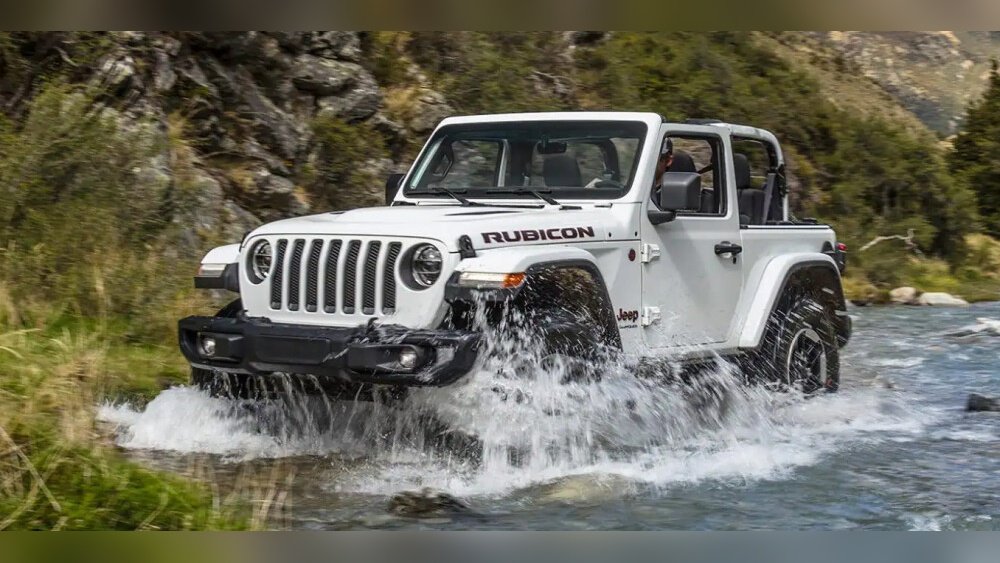
Yes, the Wagoneer has 4WD options and strong suspension, so it handles dirt roads and light off-roading well. However, it’s not designed for extreme rock climbing.
How Does The Wagoneer Compare To The Grand Wagoneer?
The Grand Wagoneer is even more luxurious, with a bigger engine, more features, and a higher price. For most families, the regular Wagoneer offers plenty of comfort and space.
What Is The Real-world Fuel Economy?
Most owners report 15–18 mpg in mixed driving. It’s not very efficient, but this is common for large SUVs.
Is It Expensive To Maintain?
Maintenance costs are higher than smaller cars. Oil changes, tire replacements, and repairs cost more due to the size and technology.
Where Can I Find More Detailed Specs?
For full specifications and updates, visit the official Jeep site: Jeep Wagoneer.
The Jeep Wagoneer is a strong choice for those who want space, power, and luxury. It’s not perfect for every driver, but for the right buyer, it delivers a comfortable and reliable ride with plenty of technology.
If you need a premium SUV and are ready for the size and price, the Wagoneer is worth a close look.