If you’re a Jeep owner or thinking about buying a Jeep, you might wonder about the weight of a hard top. Many people want to know this for practical reasons: removing, storing, or transporting the top. The weight can also affect fuel economy, handling, and even your choice of accessories. But the answer isn’t as simple as one number—Jeep hard tops come in different sizes and materials. Understanding these details can help you plan better and avoid surprises.
Typical Jeep Hard Top Weights
Most Jeep hard tops are made from fiberglass or a similar composite material. The weight depends on the model and whether you have a two-door or four-door Jeep.
Here’s a quick overview of the average hard top weights for popular Jeep models:

| Jeep Model | Top Type | Weight (lbs) |
|---|---|---|
| Wrangler JK (2-door) | 3-piece | 80-100 |
| Wrangler JK (4-door) | 3-piece | 120-140 |
| Wrangler JL (2-door) | Freedom Top | 90-100 |
| Wrangler JL (4-door) | Freedom Top | 130-150 |
| Gladiator JT | 3-piece | 140-150 |
These numbers are for factory hard tops. Aftermarket tops may weigh more or less, depending on the design and features.
Why Does Hard Top Weight Matter?
The weight of your Jeep’s hard top can affect your experience in several ways:
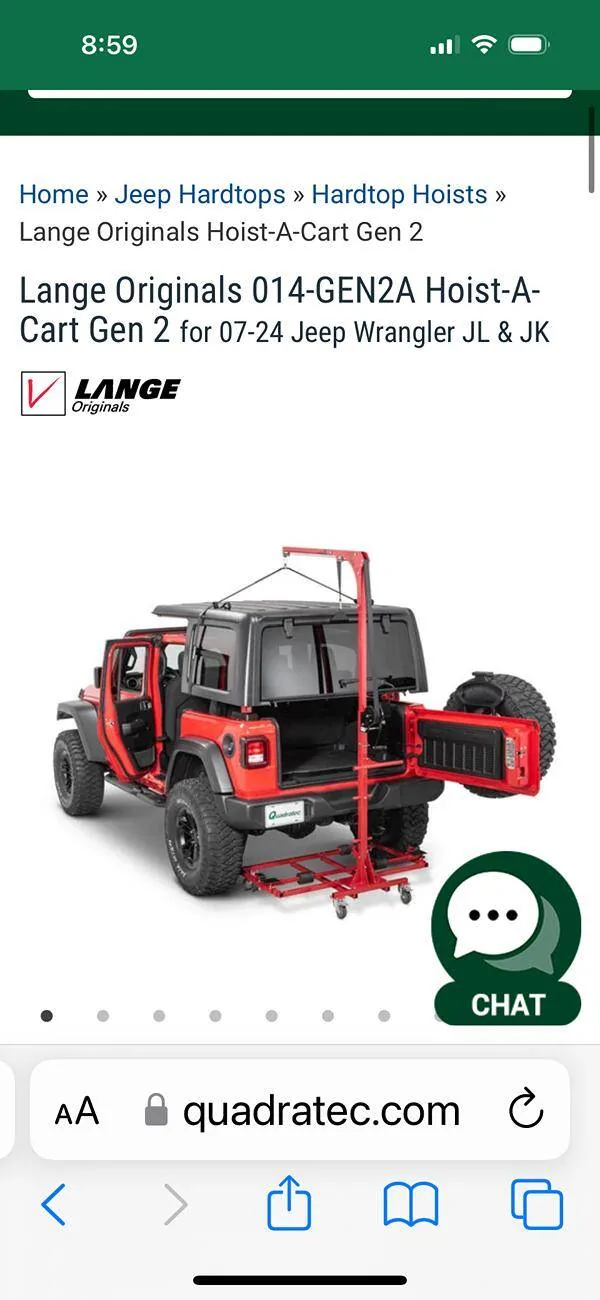
- Ease of Removal: Heavier tops are harder to lift off. Most people need at least two people to remove a four-door hard top safely. A hoist or lift system can make this easier.
- Storage and Handling: You need a safe place to store a heavy, bulky hard top. Lighter tops are easier to move and less likely to cause damage if dropped.
- Vehicle Performance: Adding or removing weight from your Jeep changes handling and fuel efficiency, especially with roof racks or gear on top.
- Accessories: Some racks and accessories have weight limits. Knowing your hard top’s weight helps avoid overloading.
Many new Jeep owners are surprised by how awkward a hard top can be to manage alone. Even the lighter two-door tops feel heavier than expected because of their size.
Comparing Hard Top, Soft Top, And Aftermarket Options
Jeep hard tops are just one option. Some people prefer soft tops or specialized aftermarket hard tops. Here’s how they compare:
| Top Type | Average Weight (lbs) | Main Benefits | Main Drawbacks |
|---|---|---|---|
| Factory Hard Top | 90-150 | Durable, weatherproof, quiet | Heavy, needs storage space |
| Soft Top | 40-60 | Lightweight, easy to remove | Noisy, less secure |
| Aftermarket Hard Top | 70-180 | Custom features, different materials | Weight varies, expensive |
A soft top is much lighter but doesn’t offer the same security or insulation. Aftermarket hard tops sometimes use aluminum or advanced composites to reduce weight, but some add features like extra soundproofing, which increases weight.
Tips For Handling And Removing A Hard Top
If you plan to take your hard top off, here’s how to make it easier:
- Get Help: Don’t try to remove a four-door hard top alone. The weight and shape make it difficult to handle safely.
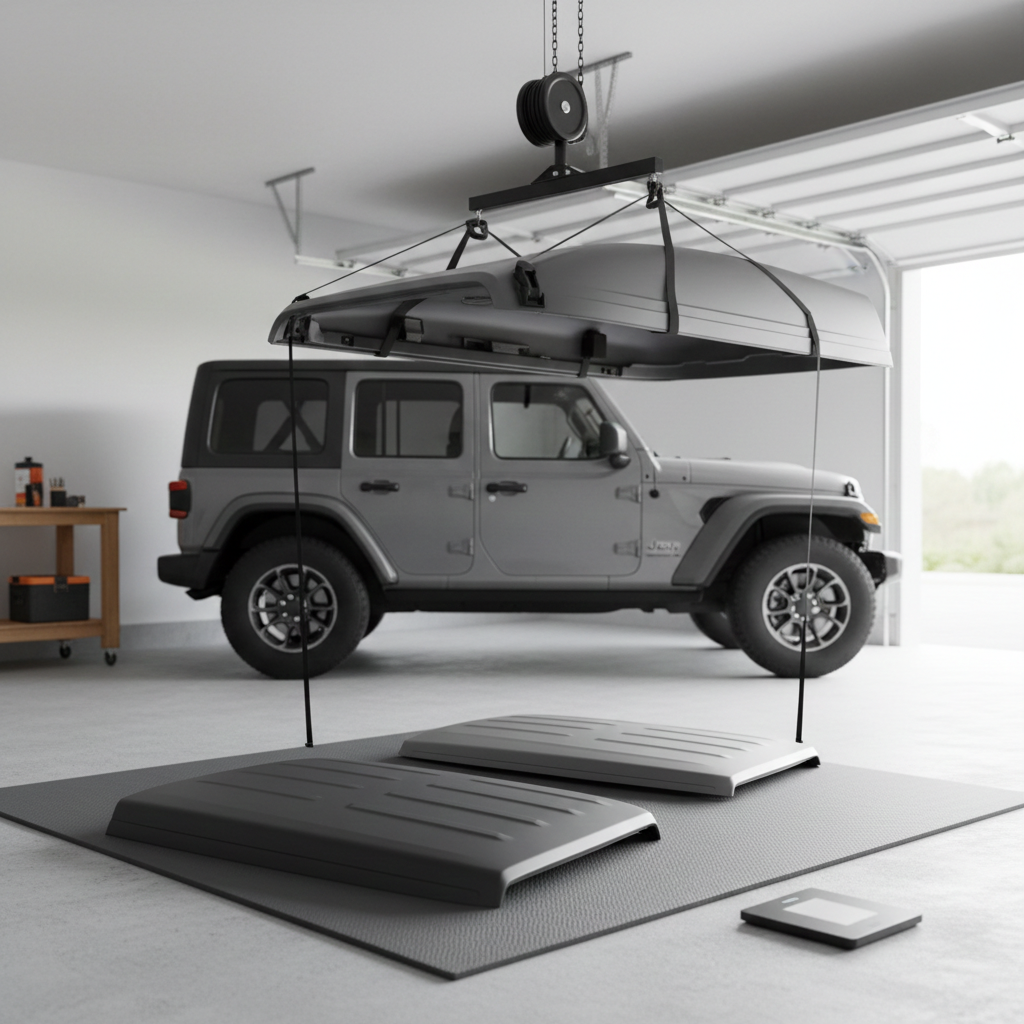
- Use a Hoist: Garage ceiling hoists are popular. They let one person lift and store the top safely.
- Clear Storage Space: Hard tops are bulky. Make sure you have a clean, dry place to keep yours.
- Protect Edges: Use blankets or foam to avoid scratches and chips during storage.
One insight many new owners miss: removing the top is just the first step. You also need to store it somewhere safe and out of the weather. Rain, sun, or impact damage can shorten the life of your hard top.
Real-world Examples
Let’s look at some real examples to give you a better idea of what to expect.
- Jeep Wrangler JL Unlimited (4-door): The factory hard top weighs around 140 pounds. Two adults can lift it, but most use a hoist for easy removal.
- Jeep Gladiator: The hard top is similar to the four-door Wrangler, both in weight and in removal process.
- Wrangler TJ (older model): These hard tops are smaller and lighter, usually 80-100 pounds, but still awkward for one person.
Some aftermarket tops, like the Bestop Trektop Pro, weigh closer to 120 pounds but split into smaller panels, making handling easier.
Materials And Construction
Most Jeep hard tops use a fiberglass composite shell for strength and insulation. Some aftermarket options use aluminum or mixed materials, which can lower or raise the weight.
Key factors that influence weight:
- Number of pieces: 3-piece “Freedom Tops” let you remove just the front panels for a sunroof effect, leaving the heavy rear section in place.
- Added features: Soundproofing, insulation, and extra glass panels all add weight.
- Thicker materials: Some heavy-duty tops are made thicker for off-road durability.
Here’s a quick material comparison:
| Material | Weight | Durability |
|---|---|---|
| Fiberglass | Medium | High |
| Aluminum | Low-Medium | Medium |
| Composite | Low-High | Varies |
Choosing the right material depends on how you use your Jeep and how often you want to remove or install the top.

Frequently Asked Questions
How Much Does A Jeep Wrangler Hard Top Weigh?
A typical Jeep Wrangler hard top weighs between 90 and 150 pounds. Two-door models are on the lighter end, while four-door models are heavier.
Can One Person Remove A Jeep Hard Top?
It’s possible with a hoist system, but most people need help. The top is large and can be awkward to lift without damaging it.
Does A Hard Top Improve Insulation And Security?
Yes. Hard tops offer better temperature control and are more secure against theft and weather than soft tops.
Are Aftermarket Hard Tops Heavier?
Some are, but not all. Aftermarket tops with extra features or thicker materials may be heavier. Others use lighter composites or modular designs to reduce weight.
Where Can I Find Official Jeep Hard Top Weights?
You can find official weights in your owner’s manual or from trusted sites like the Wikipedia Jeep Wrangler page.
Knowing how much a Jeep hard top weighs helps you plan for removal, storage, and choosing accessories. Whether you keep your top on year-round or take it off for summer, understanding the weight and handling tips will make your Jeep experience much smoother.