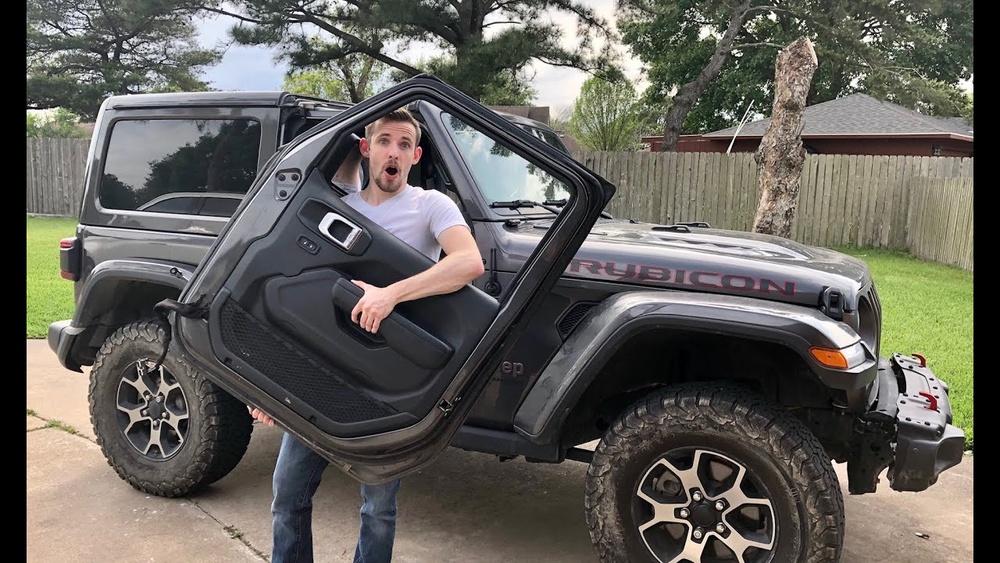
Buying or owning a Jeep is all about adventure and versatility. One thing every Jeep owner thinks about is the hard top—how strong it is, how easy it is to remove, and most importantly, how much it weighs. Whether you want to swap your hard top for a soft top in summer, or you’re planning to take it off for storage, knowing the weight of your Jeep hard top helps you plan safely and avoid surprises.
What Is A Jeep Hard Top?
A Jeep hard top is a solid roof made of materials like fiberglass, plastic, or metal. Unlike soft tops, hard tops offer better protection from weather, more security, and less road noise. They’re popular among Jeep Wrangler owners, but you’ll also find them on some Jeep Gladiator models.
There are usually two types:
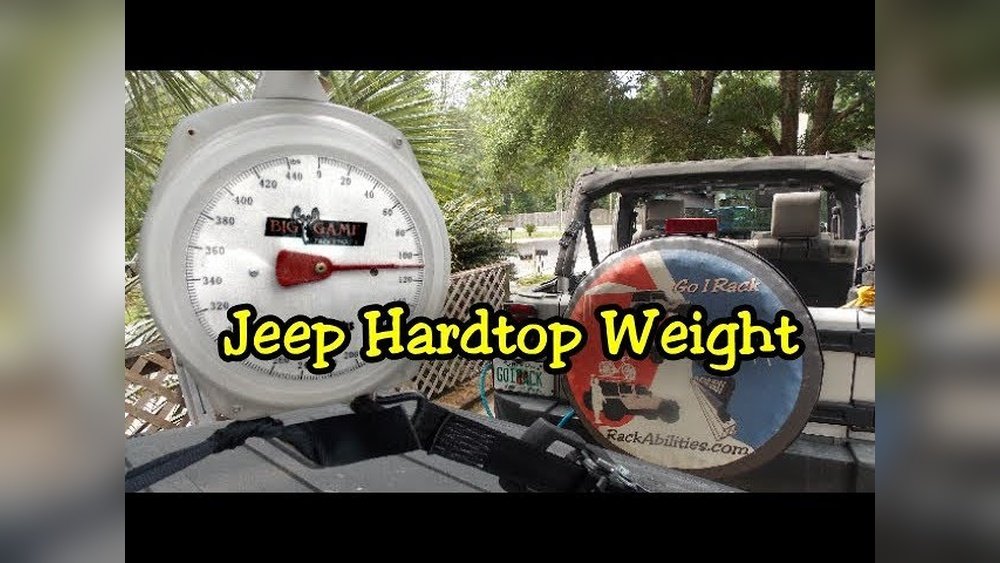
- Two-door hard tops (shorter, lighter)
- Four-door hard tops (longer, heavier)
Some hard tops come in two pieces (front and rear), while others are single-piece.
Average Weight Of Jeep Hard Tops
The weight of a Jeep hard top depends on the model and year. Here are some common examples:
| Jeep Model | Top Type | Average Weight (lbs) |
|---|---|---|
| Wrangler JK (2-door) | 3-piece | 105–120 |
| Wrangler JK (4-door) | 3-piece | 140–150 |
| Wrangler JL (2-door) | 3-piece | 110–120 |
| Wrangler JL (4-door) | 3-piece | 140–155 |
| Gladiator JT | 3-piece | 140–150 |
A two-door Jeep hard top usually weighs around 110 pounds, while a four-door top can go up to 155 pounds. These numbers are for factory (OEM) tops. Aftermarket hard tops can be heavier or lighter depending on materials and features.
Why Does Hard Top Weight Matter?
The weight of your Jeep’s hard top affects:
- Ease of removal: Heavier tops often need two people.
- Storage: You need enough space and a safe way to move it.
- Fuel economy: Hard tops add weight, which can affect gas mileage, but usually only by a small amount.
- Vehicle handling: Removing the top changes the car’s center of gravity. You might notice a difference in how your Jeep drives.
Many first-time owners are surprised by how bulky the hard top feels. It’s not just about pounds it’s the size and awkward shape that make lifting difficult.
Factory Vs Aftermarket Hard Tops
Not all hard tops are the same. Here’s how they compare:
| Type | Average Weight | Main Material | Special Features |
|---|---|---|---|
| Factory (OEM) | 110–155 lbs | Fiberglass | Best fit, rear defroster, wiper |
| Aftermarket (Premium) | 150–200 lbs | Double-layer fiberglass or steel | Insulation, sunroofs, stronger locks |
| Aftermarket (Lightweight) | 80–110 lbs | Composite plastic, aluminum | Easy removal, less insulation |
Aftermarket tops can offer better insulation or special features, but they sometimes weigh more. Lightweight tops are easier to handle but may let in more noise or cold.
Removing And Installing A Jeep Hard Top
Taking off a hard top is not a quick one-person job. Even the lightest tops are big and hard to manage alone. Here’s what you should know:
- Get a friend to help. Most Jeep hard tops need two people for safe removal, especially four-door models.
- Prepare your tools. You’ll need a Torx driver (usually T40 or T50) to unscrew bolts.
- Disconnect wiring. Some tops have rear wipers or defrosters—unplug these before lifting.
- Lift carefully. Always lift with your knees, not your back. The top is heavier than it looks.
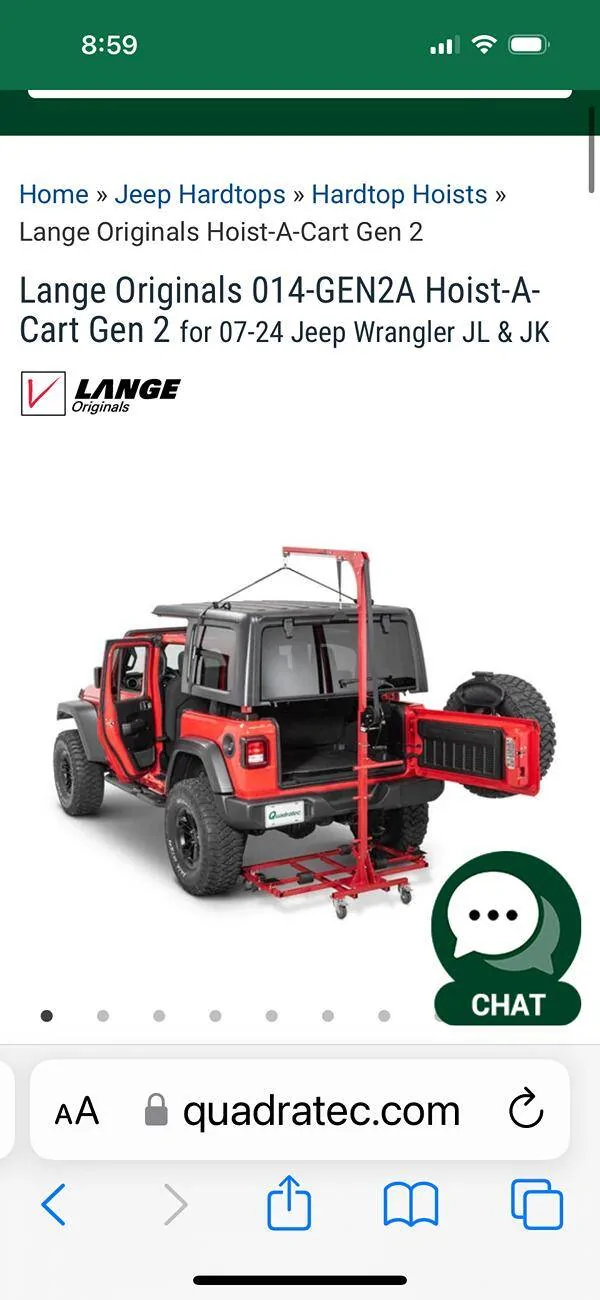
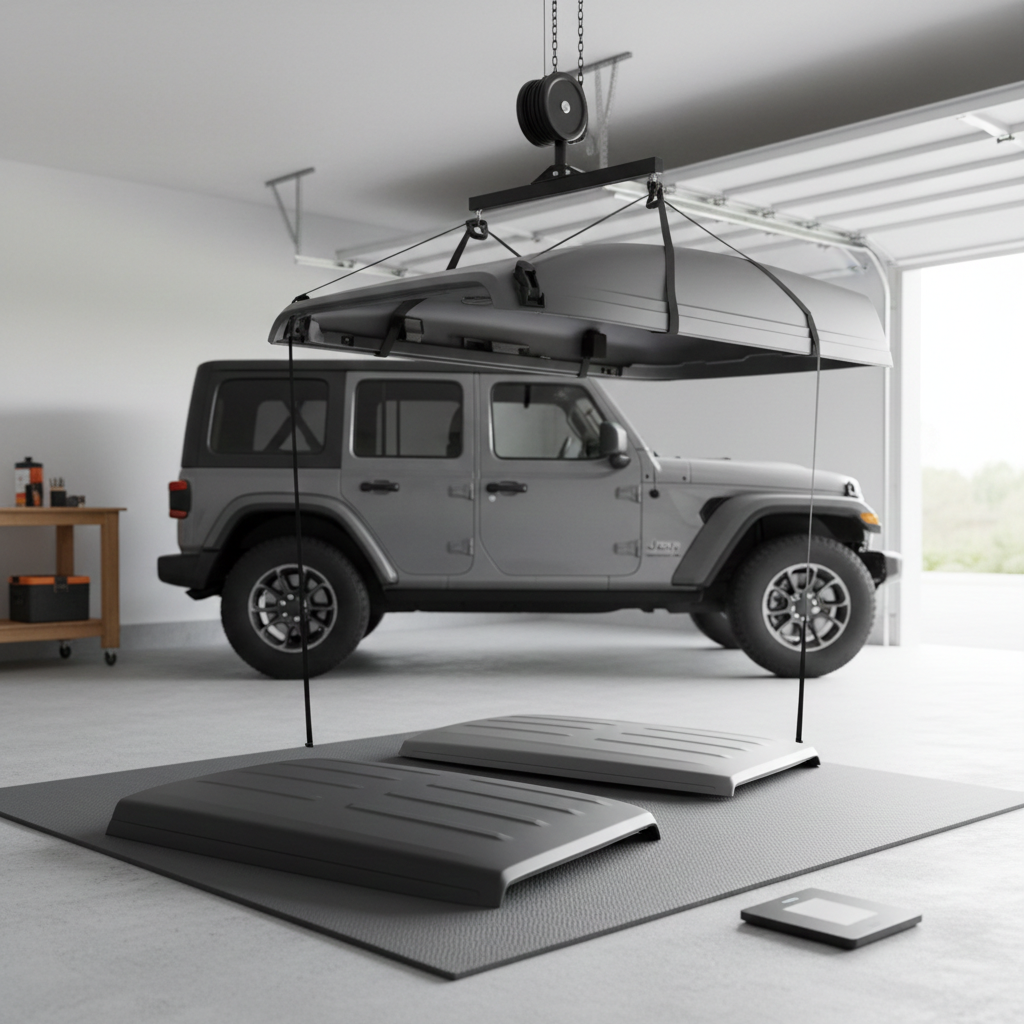
Some owners use a hard top hoist for their garage. These hoists let one person remove the top safely and store it overhead. It’s a smart investment if you swap tops often.
Common Mistakes When Handling Hard Tops
Removing or storing a Jeep hard top can go wrong if you’re not careful. Here are mistakes to avoid:
- Lifting alone: Even if you can handle the weight, the awkward size makes it risky.
- Dropping bolts or losing hardware: Store all screws in a labeled bag.
- Forgetting wiring: Pulling the top without unplugging wires can cause damage.
- Improper storage: Laying the top on a rough surface can scratch or crack it. Use a padded stand or wall mount.
One thing many new Jeep owners miss: the weight difference between the front panels and the rear section on a 3-piece top. The front “freedom panels” are much lighter—each weighs about 11–16 pounds, while the rear section makes up most of the total weight.
Factors That Affect Hard Top Weight
Different things can make your Jeep’s hard top heavier or lighter:
- Material: Fiberglass is standard, but some tops use steel (heavier) or plastic (lighter).
- Added features: Built-in insulation, headliners, and sunroofs all add weight.
- Model year: Newer Jeeps sometimes use lighter materials or different designs.
- Aftermarket changes: Some tops have larger windows or custom reinforcements.
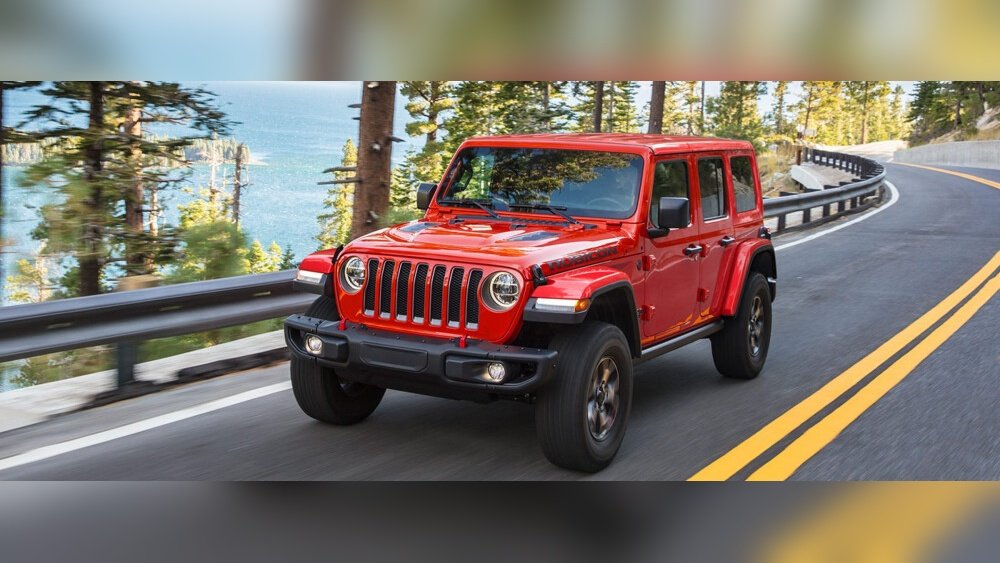
You can check the official owner’s manual or the manufacturer’s website for the exact weight of your model’s hard top. For an example, see this Jeep Wrangler overview.
Frequently Asked Questions
How Much Does A Jeep Wrangler Hard Top Weigh?
A factory hard top for a two-door Wrangler usually weighs 110 to 120 pounds. The four-door version is heavier, at 140 to 155 pounds.
Can One Person Remove A Jeep Hard Top?
It’s possible to remove the front panels on your own, but the full rear section is too heavy and awkward for one person. Most owners use two people or a garage hoist.
Do All Jeep Hard Tops Weigh The Same?
No. Weight depends on your Jeep model, the year, and whether it’s a factory or aftermarket top. Some lightweight tops are available, but most factory models have similar weights.
Will Removing The Hard Top Make My Jeep Faster Or Improve Gas Mileage?
Removing the hard top does reduce your Jeep’s weight, but the change in fuel economy or speed is small. The biggest difference is how your Jeep feels to drive with the top off.
How Can I Safely Store My Jeep Hard Top?
Store your hard top on a padded stand or hang it from a garage hoist. Avoid placing it directly on the ground to prevent scratches or cracks.
Knowing the weight of your Jeep hard top means you’ll be ready for summer adventures, top swaps, and safe storage. Always plan ahead and ask for help when moving heavy parts your back and your Jeep will thank you.