The Jeep Grand Cherokee has earned a reputation for being tough, reliable, and powerful. But when it comes to emissions, even this rugged SUV has to play by the rules. One key part of its emissions system is the catalytic converter. Many owners and buyers want to know: how many catalytic converters are in a Jeep Grand Cherokee? This guide will clear up the confusion, explain why the answer can change based on the model year and engine, and help you understand what really matters about this essential part.
Understanding Catalytic Converters
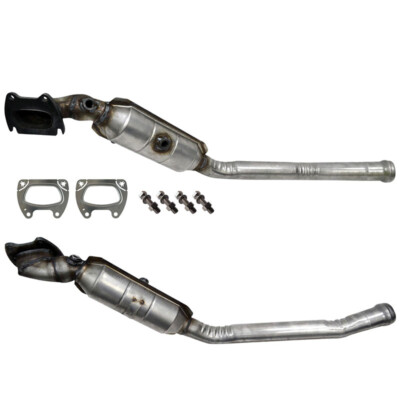
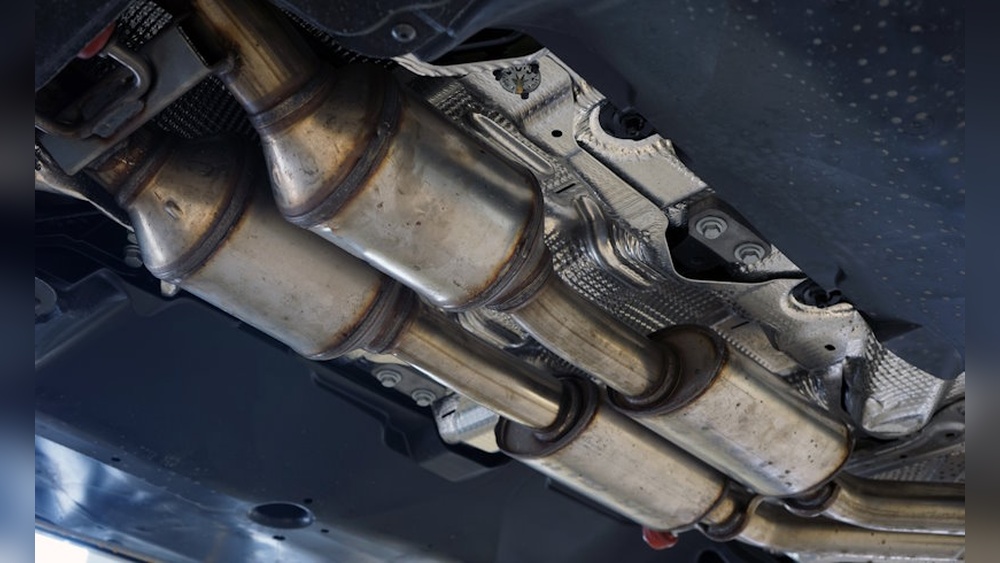
A catalytic converter is a device that helps reduce harmful gases from your car’s exhaust. It turns carbon monoxide, nitrogen oxides, and hydrocarbons into less harmful gases, making the air cleaner. Every gasoline-powered Jeep Grand Cherokee comes with at least one catalytic converter, but the actual number depends on several factors.
How Many Catalytic Converters Are In A Jeep Grand Cherokee?
The answer is not always simple. The number of catalytic converters depends on the:
- Model year
- Engine type (V6 or V8)
- Emissions regulations for your region
Here is a quick comparison of different Grand Cherokee generations and their typical catalytic converter setups.
| Model Year Range | Engine Type | Number of Catalytic Converters | Notes |
|---|---|---|---|
| 1999–2004 (WJ) | V6 & V8 | 2 | One on each exhaust manifold |
| 2005–2010 (WK) | V6 | 2 | Both close to the engine |
| 2005–2010 (WK) | V8 | 3 | Two front (pre-cats), one rear (main cat) |
| 2011–2021 (WK2) | V6 | 2 | One per cylinder bank |
| 2011–2021 (WK2) | V8 | 4 | Two pre-cats, two main cats |
| 2022–Present (WL) | V6 & V8 | 2–4 | Depends on engine and emission package |
Why The Number Varies
Most newer Grand Cherokees (2011 and later) have at least two catalytic converters. V8 engines often use more—sometimes four—to meet tighter emissions standards. This dual or quad setup means each exhaust manifold has a converter, and sometimes an extra converter sits further down the exhaust pipe.
Locating The Catalytic Converters
Owners sometimes need to find their converters for maintenance, replacement, or security (catalytic converter theft is rising). Their location depends on the engine:
- V6 engines: Usually, one converter sits on each side of the engine, near the exhaust manifold.
- V8 engines: There are often two converters close to the engine (pre-cats) and one or two further down the exhaust system (main cats).
In recent models, all converters are welded into the exhaust system. You may see O2 sensors before and after each converter—these help the engine computer check if the system is working well.
Types Of Catalytic Converter Setups In Grand Cherokee
Let’s look at two common setups:
| Engine | Converter Type | Location |
|---|---|---|
| V6 | Dual | Each exhaust manifold |
| V8 | Quad | Two near engine (pre-cats), two further down (main cats) |
Why Does It Matter How Many Converters You Have?
Knowing the number of converters helps for:
- Repairs: Replacing a catalytic converter can cost $1,000 or more. Knowing how many you have avoids surprises.
- Emissions testing: Missing or failing converters mean automatic failure.
- Theft prevention: More converters mean more risk and higher replacement costs.
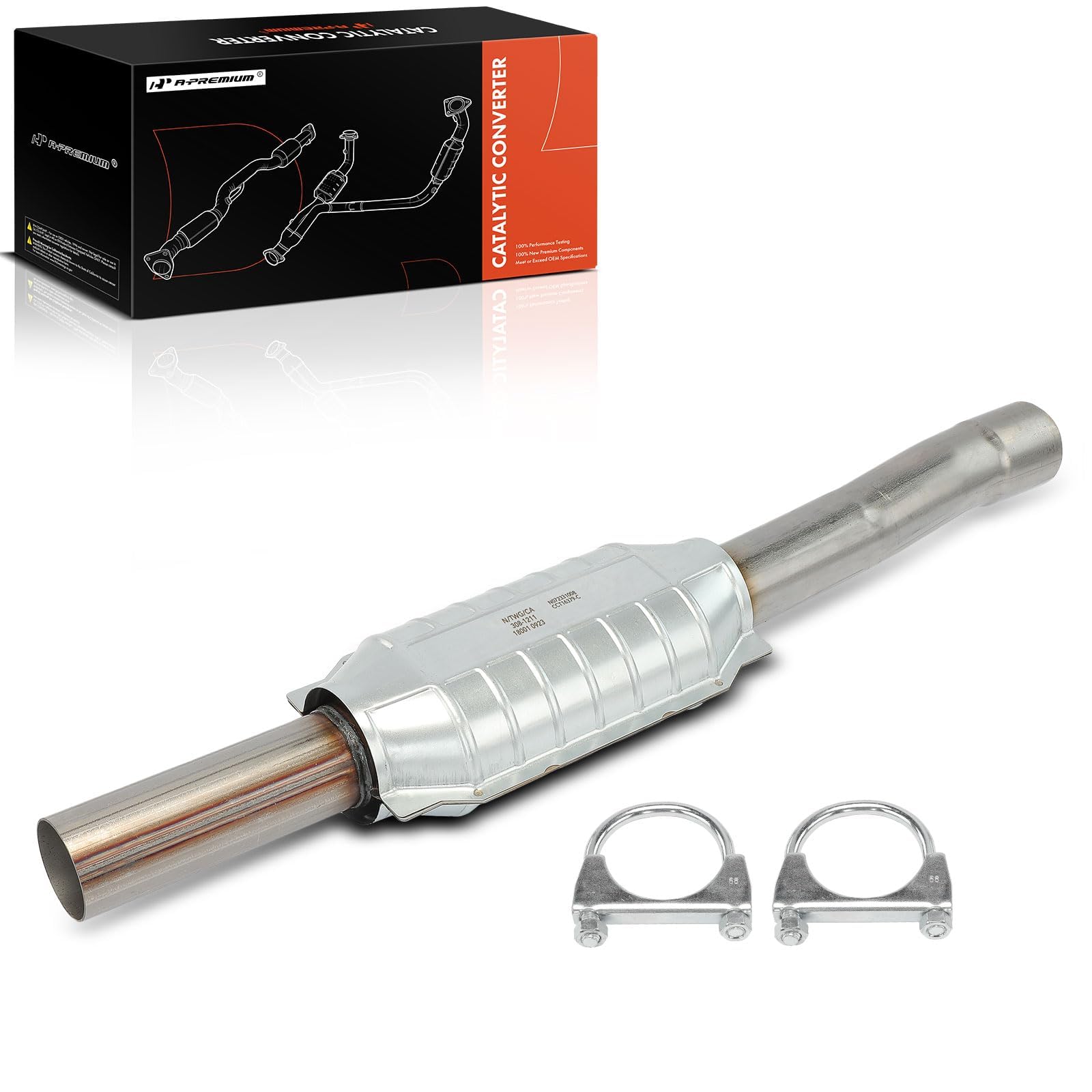
- Buying parts: When buying replacement converters, you need the correct count and type for your model.
Common Myths About Catalytic Converters In Grand Cherokee
Many owners believe every Jeep has the same setup. This is not true. Model year, engine, and even where your Jeep was sold (California emissions vs. federal) can change the number of converters. Some think removing extra converters improves performance.
In reality, this can hurt engine efficiency and is illegal in most places.
Signs Your Catalytic Converter Needs Attention
Catalytic converters are tough but not indestructible. Watch for these warning signs:
- Check engine light (often P0420 code)
- Poor acceleration or loss of power
- Rattling noise under the car (can mean a broken converter)
- Failed emissions test
If you notice these, have your Jeep checked soon. Replacing a faulty converter early can prevent engine damage.
Non-obvious Insights Most Owners Miss
- Aftermarket converters can cause issues. Many cheaper replacements may not meet your Jeep’s emission standards, leading to repeated check engine lights or failed tests.
- California emissions Jeeps often have extra converters. Even within the same year, a Grand Cherokee sold in California may have more converters than one sold in Texas.
- Converter theft is more common on V8 models. Thieves target models with multiple converters because they contain more precious metals.

Maintaining Your Grand Cherokee’s Catalytic Converters
To keep your converters working well:
- Use the correct fuel (regular unleaded, as recommended).
- Fix engine problems quickly (misfires can destroy converters).
- Avoid running the vehicle with a misfiring engine or burning oil.
Regular checks will keep your Jeep running clean and reduce repair costs.
Frequently Asked Questions
How Do I Know How Many Catalytic Converters My Grand Cherokee Has?
Check your owner’s manual or look under the vehicle. You can also ask your dealer, giving them the year, engine type, and emission standard (California or federal).
Can I Replace Just One Converter, Or Do I Need To Change Them All?
You can usually replace only the damaged converter. But if one fails due to engine problems, others may soon follow.
Are Aftermarket Catalytic Converters A Good Option?
Some are fine, but many may not meet emissions standards or work well with your Jeep’s computer. Always check for EPA or CARB certification.
How Much Does It Cost To Replace A Catalytic Converter On A Grand Cherokee?
The cost ranges from $900 to $2,500 per converter, including parts and labor. V8 models with more converters will cost more.
Where Can I Learn More About Emissions Standards And Converter Requirements?
The EPA’s website has up-to-date information on emission standards and converter rules. You can visit the EPA’s official page for details.
Understanding your Jeep Grand Cherokee’s catalytic converter setup helps you make better decisions on repairs, parts, and care. Stay informed, and your SUV will keep running smoothly and cleanly for years to come.