Jeep Grand Cherokee Radiator Replacement: What You Need To Know
When your Jeep Grand Cherokee starts to overheat, the radiator is often to blame. Replacing a faulty radiator can prevent serious engine damage and restore your SUV’s reliability. Many Grand Cherokee owners wonder if they can handle the replacement themselves or if they should trust a mechanic. This guide covers everything you need to know—from costs and symptoms to a step-by-step replacement process.
Why The Radiator Matters
The radiator keeps your Grand Cherokee’s engine cool by circulating coolant through a series of thin tubes. If the radiator fails, the engine can quickly reach dangerous temperatures. Overheating can lead to blown head gaskets, warped cylinder heads, or even total engine failure.
A failing radiator often shows these signs:
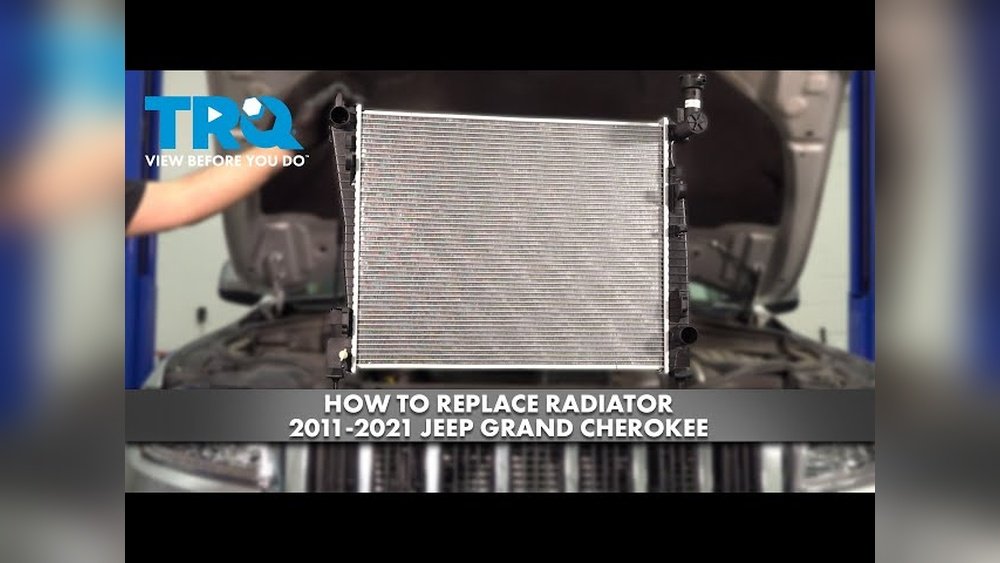
- Engine temperature warning light turns on
- Sweet smell (coolant leak)
- Puddles under the SUV
- White smoke from the hood
Catching these symptoms early can save you thousands of dollars in repairs.
Jeep Grand Cherokee Radiator Replacement Cost
Radiator replacement costs depend on the model year, location, and labor rates. Here’s a quick comparison of what to expect:
| Model Year | Parts Cost | Labor Cost | Total Estimated Cost |
|---|---|---|---|
| 2011-2020 | $120–$250 | $180–$350 | $300–$600 |
| 2005-2010 | $90–$200 | $150–$300 | $240–$500 |
| 1999-2004 | $80–$160 | $120–$260 | $200–$420 |
Labor costs are usually higher at dealerships. Independent shops or DIY can save you money, but DIY takes time and tools.
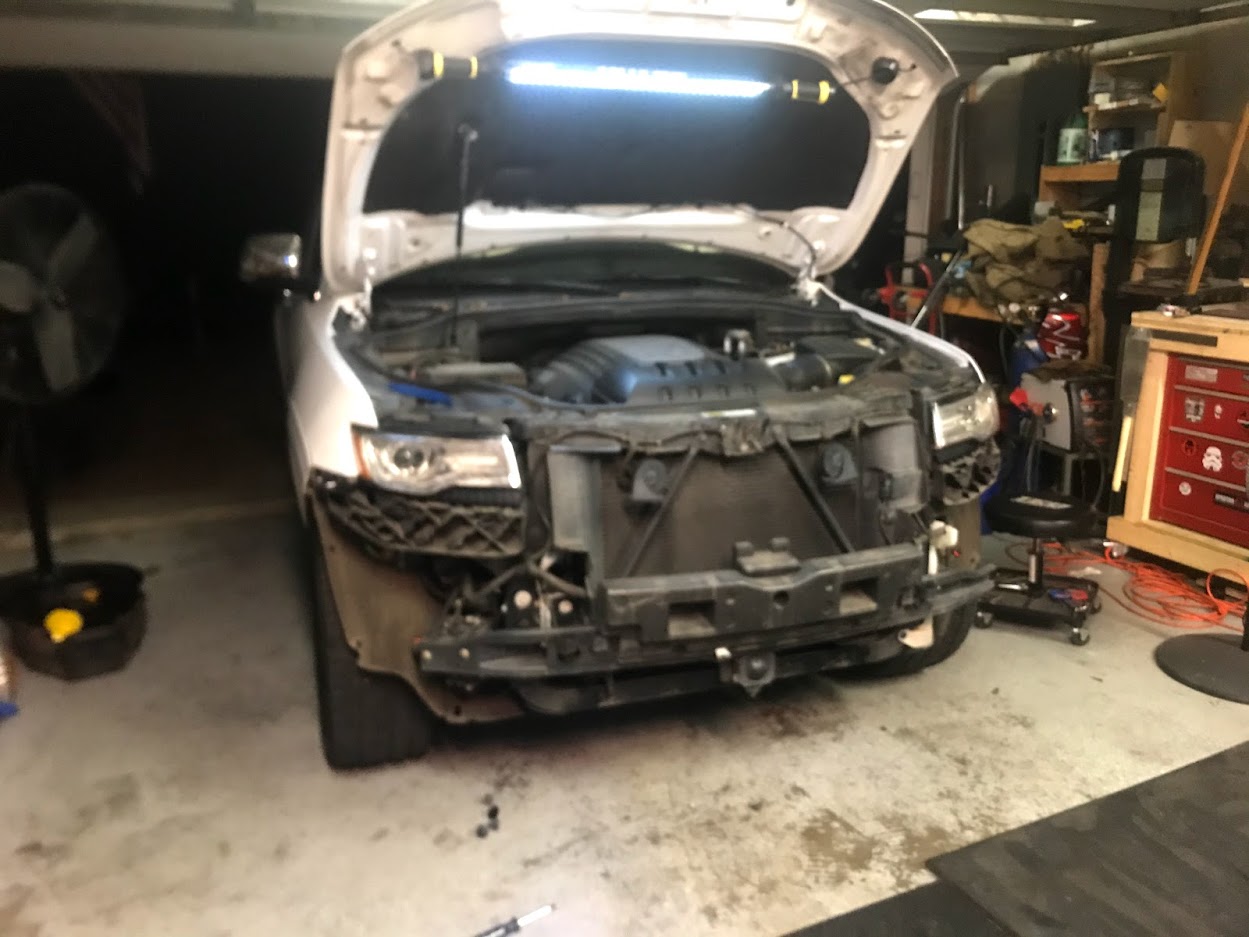
Tools And Parts Needed
Before starting, gather these essential tools and parts:
- New radiator (compatible with your model year)
- Coolant (usually 2–3 gallons)
- Socket set and wrenches
- Drain pan
- Screwdrivers
- Pliers
- Hose clamp pliers (optional but helpful)
- Gloves and safety glasses
It’s important to buy the correct radiator for your Grand Cherokee’s engine type (V6 or V8). Check the owner’s manual or VIN for exact specs.
Step-by-step Radiator Replacement Process
Replacing the radiator isn’t extremely difficult, but it requires patience. Here’s a simplified process for most Grand Cherokees (2005–2020):
- Let the engine cool completely. Never open a hot cooling system.
- Disconnect the battery to prevent any electrical issues.
- Drain the coolant by opening the radiator drain plug and letting fluid flow into a pan.
- Remove the radiator cover and any air intake parts blocking access.
- Disconnect the hoses: Use pliers to loosen the clamps on the upper and lower radiator hoses.
- Unplug the fan connectors and remove any mounting bolts.
- Lift out the old radiator carefully, tilting to avoid spilling remaining coolant.
- Install the new radiator in the reverse order, making sure hoses are tight and all connections are secure.
- Refill the coolant with the recommended type and amount.
- Bleed the cooling system to remove air pockets. Start the engine and let it reach temperature, adding coolant as needed.
Here’s a quick look at the main steps and how long they usually take:
| Step | Time Estimate | Difficulty |
|---|---|---|
| Remove old radiator | 1–2 hours | Moderate |
| Install new radiator | 1 hour | Moderate |
| Refill & bleed system | 30–45 min | Easy |

Common Mistakes To Avoid
Many DIYers make small errors that can lead to bigger problems. Here are two non-obvious pitfalls:
- Forgetting to bleed air: Air pockets in the cooling system can cause overheating even after a new radiator is installed. Always run the engine with the radiator cap off until the thermostat opens and top off coolant.
- Reusing old hoses or clamps: Old hoses may look fine but can crack soon after. Replace any hoses that feel brittle or look worn.
Also, never mix different types of coolant. Always use the type specified for your Grand Cherokee.
When To Call A Professional
If you don’t have time, tools, or confidence, it’s better to trust a mechanic. Modern Grand Cherokees have tight engine bays and electronic fans that can be tricky. Professional service shops have special tools to flush and refill the cooling system correctly.
If you see coolant mixing with oil or notice creamy residue under the oil cap, stop and get a diagnosis. These are signs of bigger engine problems, not just a radiator issue.
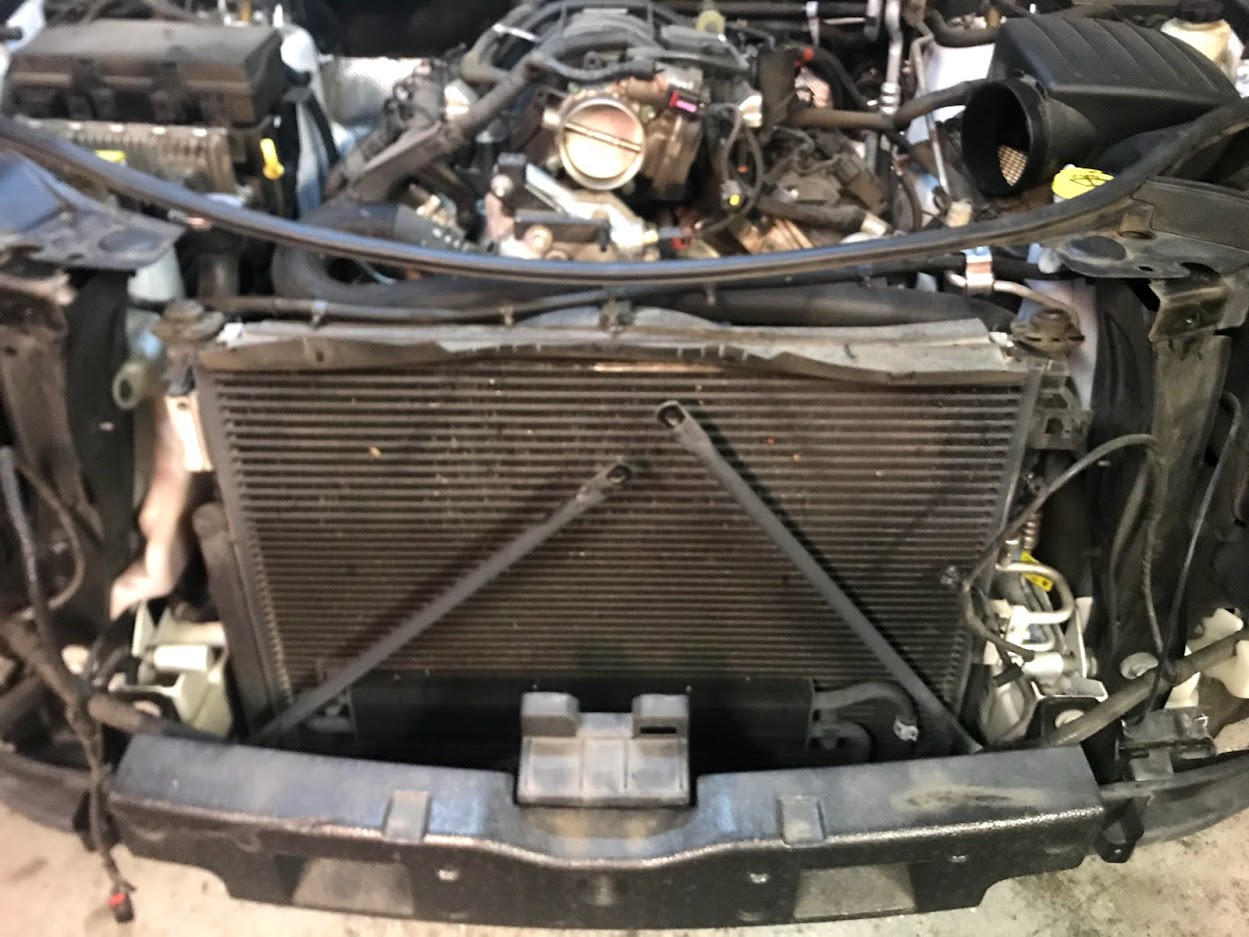
Radiator Brands And Quality Differences
Not all radiators are created equal. Here’s a comparison of popular aftermarket and OEM options:
| Brand | Warranty | Material | Price Range |
|---|---|---|---|
| Mopar (OEM) | 1 year | Aluminum/plastic | $$$ |
| Denso | 1 year | Aluminum/plastic | $$ |
| Spectra Premium | Limited lifetime | Aluminum/plastic | $ |
OEM (original equipment manufacturer) radiators fit perfectly but cost more. Aftermarket brands can be cheaper, but quality varies. Choose a radiator with a solid warranty and good reviews. For more on radiator materials, check Wikipedia.
Final Thoughts
Replacing the radiator on your Jeep Grand Cherokee can be a smart way to avoid costly repairs and keep your SUV running well. If you’re handy with tools and follow each step, you can save money and learn more about your vehicle. Always double-check for leaks and test drive after installation. Preventing overheating protects your engine and your wallet.
Frequently Asked Questions
How Do I Know If My Jeep Grand Cherokee Radiator Is Failing?
Look for overheating, coolant leaks under the SUV, sweet smells, or the temperature gauge rising. White smoke or steam from the hood is a clear warning.
Can I Drive With A Leaking Radiator?
No. Driving with a leaking radiator risks severe engine damage. Pull over and turn off the engine if you see coolant loss or overheating.
How Long Does Radiator Replacement Take?
A skilled DIYer can finish in 2–4 hours. A repair shop may take a half-day, including coolant flush and testing.
Do I Need To Replace The Thermostat Too?
It’s wise to replace the thermostat when changing the radiator, especially if your SUV has overheated. Thermostats are cheap and prevent future problems.
What Type Of Coolant Should I Use?
Always use the coolant type listed in your owner’s manual. Most newer Grand Cherokees need HOAT or OAT coolant. Mixing types can damage the cooling system.