Building a Jeep is more than just assembling parts. It’s a process where engineering, skilled labor, technology, and careful testing come together. Whether you’re thinking of buying a new Jeep Wrangler or planning your own custom build, understanding how long it takes to build a Jeep helps set clear expectations. The answer isn’t simple—it depends on the type of build, model, and even your location. Let’s look at what really happens behind the scenes and what time frames you should expect.
The Factory Build: From Parts To Finished Jeep
When you order a new Jeep from the dealership, it usually comes from one of Jeep’s main factories, such as the Toledo Assembly Complex in Ohio. The time from the start of assembly to the moment your Jeep rolls off the line is surprisingly quick.
Average Factory Build Time
On average, it takes about 20 to 30 hours of actual assembly time for a Jeep to be built at the factory. However, the full process from order to delivery is longer, usually 6 to 12 weeks. Why the difference? The total time includes:

- Order processing
- Parts sourcing
- Scheduling on the assembly line
- Quality checks
- Shipping to the dealer
Here’s a breakdown of what happens at each stage:
| Stage | Time Required | Key Activities |
|---|---|---|
| Order Processing | 1-2 weeks | Order confirmation, part allocation |
| Assembly | 1-2 days | Chassis, body, interior, drivetrain |
| Quality Inspection | 1-3 days | Testing, quality control |
| Shipping | 1-4 weeks | Transport to dealership |
Key insight: The largest delays often happen before and after the actual build—waiting for parts, scheduling, and shipping.
Custom Jeeps: How Long Does A Personalized Build Take?
If you want a custom Jeep, the timeline changes. Customization can mean anything from new wheels and lifts to a complete rebuild. Custom builds can be done by specialty shops or by skilled individuals.
Types Of Custom Builds
- Minor Mods (wheels, lights, bumpers): 1–3 days
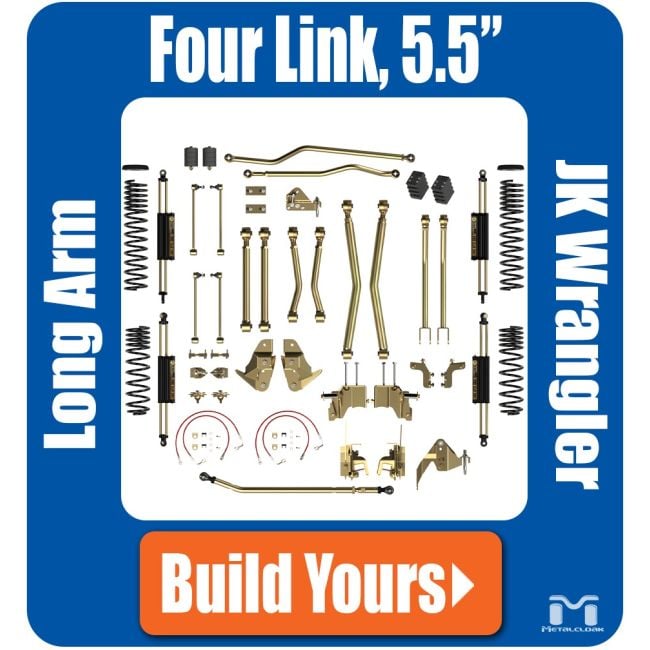
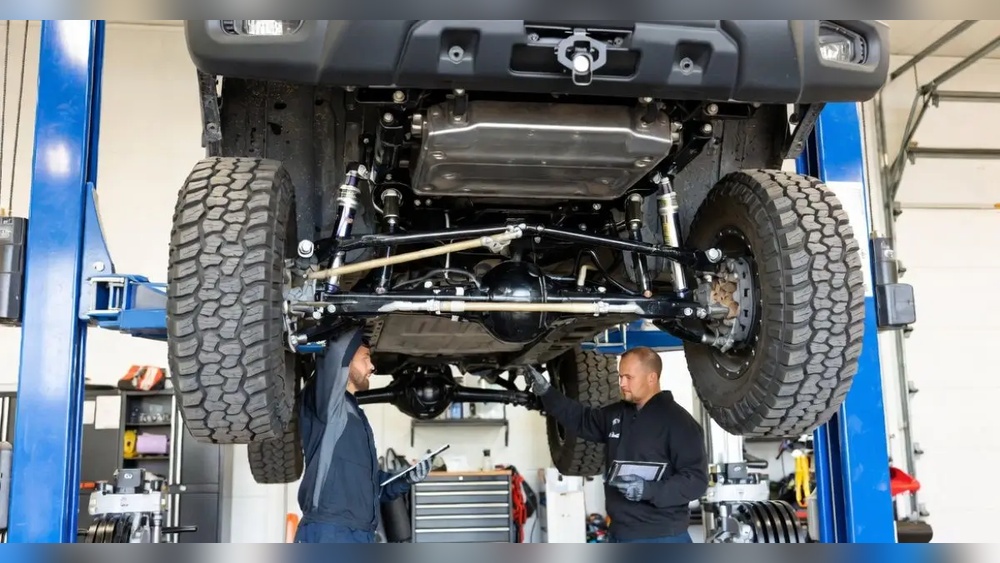
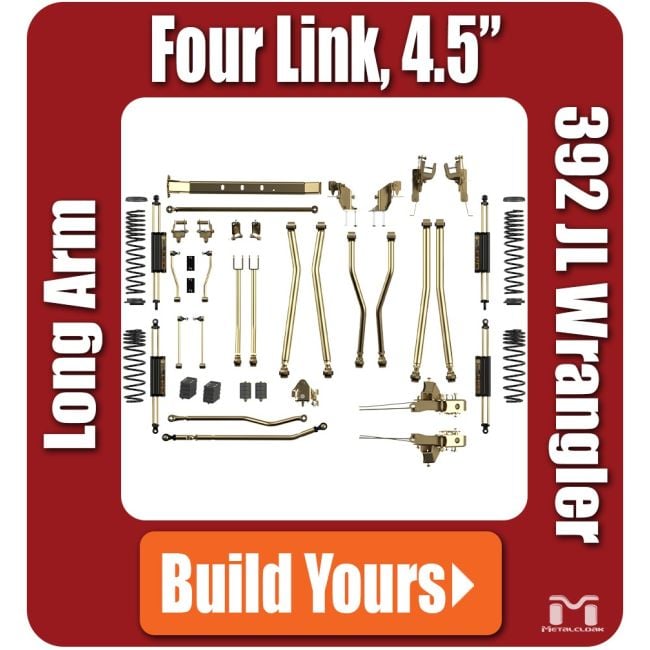
- Moderate Builds (lift kits, suspension, armor): 1–2 weeks
- Full Rebuilds (engine swaps, body conversions): 1–6 months
A shop might need to wait for special parts or handle several projects at once. Some rare parts, like off-road axles, can add weeks to your wait.
| Build Type | Time Estimate | Common Tasks |
|---|---|---|
| Minor Upgrades | 1-3 days | Lighting, wheels, basic accessories |
| Moderate Builds | 1-2 weeks | Lift kits, suspension, winches |
| Full Custom | 1-6 months | Engine, body, drivetrain swaps |
Non-obvious insight: Many beginners underestimate how much time is spent waiting for parts during custom builds. Shops often face unexpected delays from suppliers.
Factors That Affect Build Time
No two Jeeps are exactly alike, and neither are their timelines. Several factors can shorten or extend the process:
- Model Complexity: A base Jeep Wrangler takes less time than a loaded Rubicon with advanced electronics.
- Supply Chain Issues: Shortages of chips, paint, or tires can add weeks. This became common during 2020–2022.
- Customization Level: More upgrades require more planning and fitting.
- Seasonal Demand: Orders during peak times, like spring and summer, can slow things down.
- Quality Control: Extra checks for safety and emission standards can hold up delivery.
- Shipping Distance: Jeeps sent overseas or to remote areas will take longer to arrive.
Here’s a quick comparison of build times for different Jeep models:
| Jeep Model | Typical Factory Build Time | Custom Build Time |
|---|---|---|
| Wrangler | 6-8 weeks | 2 weeks–6 months |
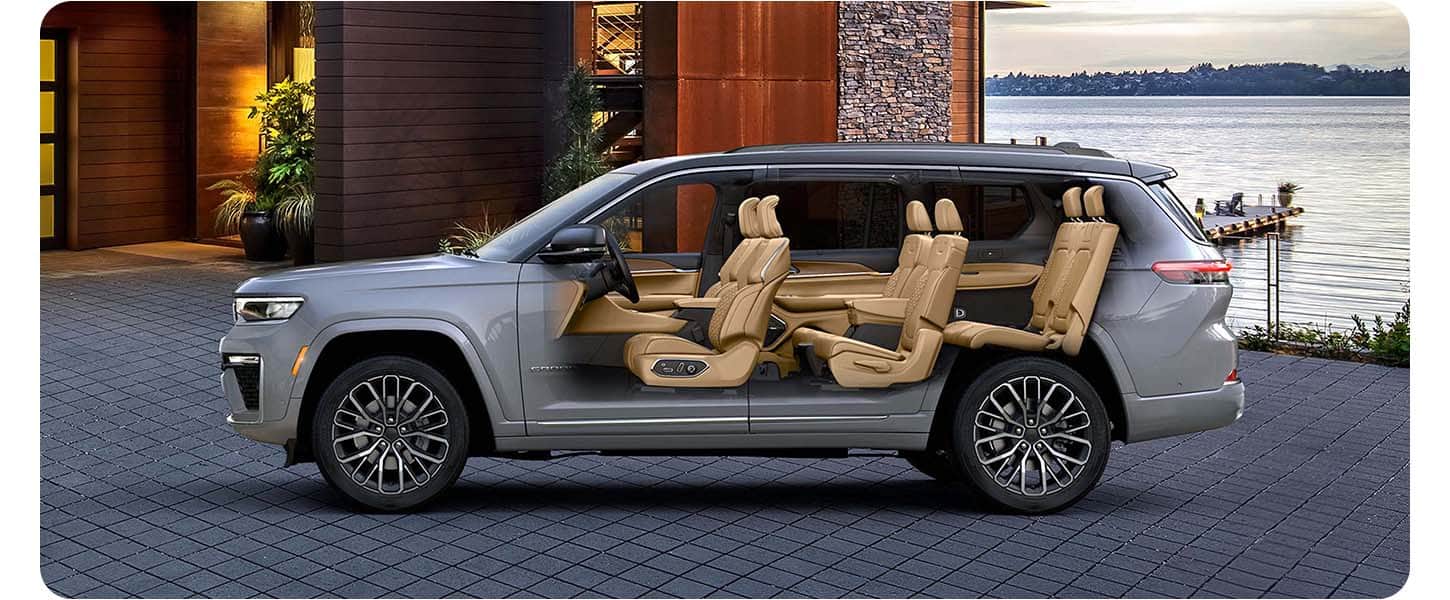
| Grand Cherokee | 7-10 weeks | 3 weeks–4 months |
| Gladiator | 8-12 weeks | 3 weeks–6 months |
Pro tip: If you want a Jeep quickly, choose popular models and avoid rare options or colors.
What Surprises Most Buyers
Many people are surprised that:
- Most of the build time is not actual assembly—it’s logistics, waiting, and shipping.
- Dealer inventory can be faster than factory orders. If you’re flexible about color and options, you can sometimes drive away in days.
- Custom builds rarely finish on schedule. Delays are common, so always plan for extra time.
Some buyers think that paying more speeds things up. While money can help source parts faster, most delays are due to things no one can control, like parts backorders or shipping routes.
Tips For A Faster Jeep Build
Want your new or custom Jeep as soon as possible? Here are some proven tips:
- Order early—especially if you want it for summer.
- Choose standard options—rare features can add months.
- Ask about dealer inventory—sometimes what you want is already built.
- Work with experienced shops for custom builds—they often have better supplier relationships.
- Be flexible—changing your color or trim might speed up your build.
Experienced buyers often check the Jeep forums for real-time updates on factory build times and dealer deliveries. This gives a more accurate picture than any single estimate.
Frequently Asked Questions
How Long Does It Take To Build A Jeep Wrangler From The Factory?
A factory-built Jeep Wrangler usually takes 6 to 8 weeks from order to delivery, but can be faster if parts are in stock and shipping is quick.
Can I Speed Up The Build Process By Paying Extra?
Paying more can help in rare situations, such as expediting shipping. However, most of the timeline depends on factory scheduling and parts availability, which money can’t always fix.
What If I Want A Fully Custom Jeep?
A full custom Jeep build can take 1 to 6 months. The exact time depends on the complexity of changes and how fast parts arrive.
Are There Ways To Check The Status Of My Jeep Build?
Yes. Most dealers can give you updates, and Jeep offers online tracking for factory orders. For custom builds, good shops will send regular progress photos or updates.
Where Can I Learn More About Jeep Manufacturing?
For more details on Jeep’s assembly process and history, check out the official Jeep Wrangler Wikipedia page.
Building a Jeep is a journey that involves more than just turning wrenches. By understanding the real timelines, you can plan better and avoid common surprises. Whether you choose factory fresh or go full custom, being prepared makes the process more enjoyable and less stressful.