The Jeep Grand Cherokee 4.7 engine is known for its power, reliability, and off-road performance. But for many Jeep owners, understanding the layout under the hood can be challenging. An engine diagram can help you locate key parts, perform maintenance, and diagnose issues. In this article, you’ll find a clear guide to the main sections of the Jeep Grand Cherokee 4.7 engine diagram, with explanations for each component. Whether you’re a new owner or a DIY enthusiast, this overview will help you feel more confident when working on your Jeep.
Overview Of The Jeep Grand Cherokee 4.7 Engine
The 4.7L PowerTech V8 engine was used in Jeep Grand Cherokee models from 1999 to 2009. It delivers around 235–305 horsepower, depending on the year and version. This engine balances strength and smoothness, making it popular among Jeep fans. The 4.7 engine is compact but includes many components in a tight space, so knowing what you’re looking at is essential.
1. Engine Block And Cylinder Heads
At the heart of the diagram is the engine block, often called the bottom end. This heavy metal part holds the cylinders, pistons, and crankshaft.
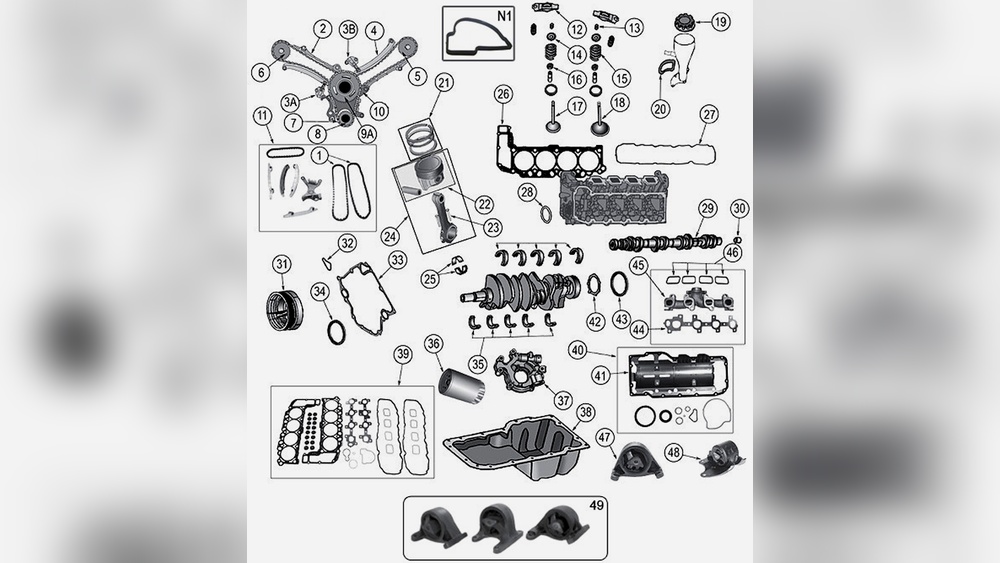
- The cylinder heads sit on top of the engine block. They contain the valves and camshafts that control airflow and fuel.
- The 4.7 V8 uses aluminum cylinder heads for better heat management and performance.
- The engine block is made from cast iron for strength.
A common beginner mistake is confusing the intake manifold for the cylinder head. The intake manifold is usually on top, but the cylinder heads are just underneath, sealing the combustion chambers.
Key Data
- Number of cylinders: 8 (V8 configuration)
- Displacement: 4.7 liters (287 cu in)
- Cylinder arrangement: V-shape, 90 degrees
2. Intake And Fuel System
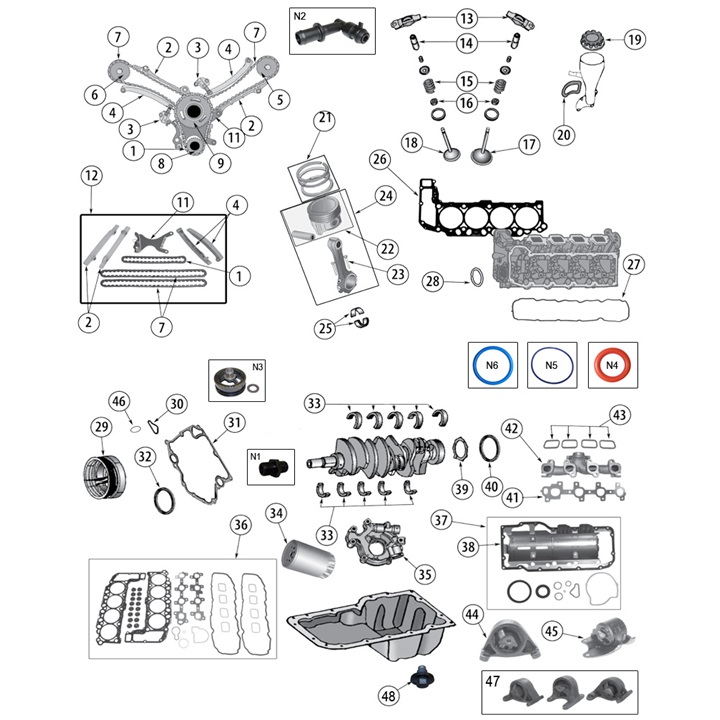
The intake and fuel system sits above the engine block. This part of the diagram shows how air and fuel get into the engine.
- The intake manifold is a large, often plastic, part on top. It sends air to each cylinder.
- The fuel injectors are connected to the intake runners. They spray fuel directly into the airflow.
- The throttle body controls the amount of air entering the engine. It’s connected to the air filter box.
- The fuel rail holds the injectors and sends pressurized fuel from the tank.
Many people overlook the importance of the throttle position sensor (TPS), which is attached to the throttle body. This sensor tells the computer how much air is entering, affecting fuel delivery and performance.
Air And Fuel Path Flow
- Air enters through the air filter
- Passes the throttle body
- Mixes with fuel at the injectors
- Enters the intake manifold
- Travels into the cylinders for combustion
3. Cooling And Lubrication System
The 4.7 engine produces heat and needs constant cooling. The diagram highlights several vital parts:
- The radiator sits at the front of the engine bay. It cools the coolant fluid before it cycles back into the engine.
- The water pump moves coolant through the engine and radiator. It’s usually driven by the serpentine belt.
- The thermostat regulates coolant flow, keeping the engine at the right temperature.
- The oil filter and oil pan are part of the lubrication system, ensuring all moving parts stay slick and cool.
A non-obvious insight: The 4.7 V8 has small coolant bypass hoses near the thermostat. If these leak or clog, overheating can happen even if the main hoses look fine.
Basic Cooling System Layout
| Component | Main Function |
|---|---|
| Radiator | Cools down heated coolant |
| Water Pump | Circulates coolant throughout system |
| Thermostat | Controls coolant flow based on temperature |
| Oil Filter | Removes debris from engine oil |

4. Ignition And Electrical System
The diagram also shows the ignition and electrical components. These are essential for starting the engine and keeping it running smoothly.
- The spark plugs are located in the cylinder heads. Each cylinder has one spark plug.
- The ignition coils sit above or near each spark plug. They generate the high voltage needed for ignition.
- The engine control module (ECM) is the brain of the system. It uses sensors to adjust fuel, air, and spark timing.
- The battery and alternator supply and recharge electrical power.
A key detail: On the 4.7 engine, the spark plugs are often covered by coil-on-plug units. Many first-time DIYers miss that each plug has its own coil, making replacement easier but sometimes confusing if you expect spark plug wires.
Comparison: 4.7 Ignition System Vs 4.0 Inline-six
| Feature | 4.7 V8 Engine | 4.0 Inline-Six Engine |
|---|---|---|
| Spark Plug Location | Center of cylinder heads | Side of cylinder head |
| Ignition Coil Setup | Coil-on-plug (one per cylinder) | Distributor/wires |
| Number of Plugs | 8 | 6 |
Why The 4.7 Engine Diagram Matters
Understanding the engine diagram helps you:
- Identify parts during repairs
- Communicate better with mechanics
- Spot leaks or problems early
- Save money by doing simple maintenance yourself
Many owners skip learning about smaller parts, like sensors or vacuum lines, but these are common sources of engine trouble. Always check your diagram before replacing anything.

Example: Locating The Camshaft Position Sensor
A common challenge is finding the camshaft position sensor. On the 4.7 engine, it’s on the right rear of the engine block, close to the firewall. Many people confuse it with the crankshaft sensor, which is lower on the engine. Knowing the exact diagram location prevents wrong part replacement and saves time.
Practical Tips For Using The Diagram
- Print or save a high-quality engine diagram before starting repairs
- Use a flashlight and mirror to check hard-to-see areas
- Mark components with colored tape as you disconnect wires or hoses
- Take clear photos before removing parts for easier reassembly
If you want to see a detailed diagram, check the official Jeep Grand Cherokee service manual or visit Wikipedia’s Grand Cherokee page for more background.
Frequently Asked Questions
Where Can I Find A Jeep Grand Cherokee 4.7 Engine Diagram?
You can find engine diagrams in the official Jeep service manual, online forums, or automotive repair websites. Some auto parts stores also provide exploded diagrams for free.
What Is The Firing Order For The 4.7 Engine?
The firing order is 1-8-4-3-6-5-7-2. This sequence ensures smooth engine operation and reduces vibration.
How Do I Identify A Coolant Leak In The 4.7 Engine?
Look for coolant puddles under your Jeep, check hose connections, and inspect around the water pump and radiator. The diagram helps locate smaller bypass hoses often missed.
What Are Common Electrical Issues In The 4.7 Engine?
Common problems include failing ignition coils, worn spark plugs, and sensor issues (like the camshaft or crankshaft sensor). Electrical diagrams help trace wires and connectors.
Is The 4.7 Jeep Engine Reliable?
The 4.7 engine is reliable if maintained well. Regular oil changes and cooling system checks are vital. Some models may have valve seat or timing chain issues, so follow the service schedule.
The Jeep Grand Cherokee 4.7 engine diagram is an essential tool for owners and DIYers. It helps you understand the engine’s layout, fix issues faster, and keep your Jeep running strong. With a bit of study and the right tools, you can handle most simple repairs and spot problems before they get serious.