Taking your Jeep Wrangler through a carwash might seem simple, but there’s more to consider than you might think. Many Wrangler owners love the freedom of open-air driving, removable doors, and soft tops. But these unique features can make automatic carwashes a bit tricky. If you’re wondering whether your Jeep Wrangler can survive the spinning brushes and high-pressure jets, you’re not alone. Let’s break down what you need to know to keep your Jeep clean—and damage-free.
Can You Take A Jeep Wrangler Through A Carwash?
The short answer is yes, you can. But not all Wranglers and not all carwashes are the same. Your Wrangler’s roof type, age, and modifications play a big role. Some setups handle automatic washes well. Others may risk leaks or even damage.
Here’s a quick look at how different Wrangler types handle carwashes:
| Wrangler Model/Top | Automatic Carwash Safe? | Potential Issues |
|---|---|---|
| Hardtop | Yes (mostly safe) | Check for roof seals |
| Soft Top | Risky | Leaks, scratching |
| With Aftermarket Mods | Depends | Loose parts, damage |
What To Know Before Using An Automatic Carwash
Hardtop Vs Soft Top
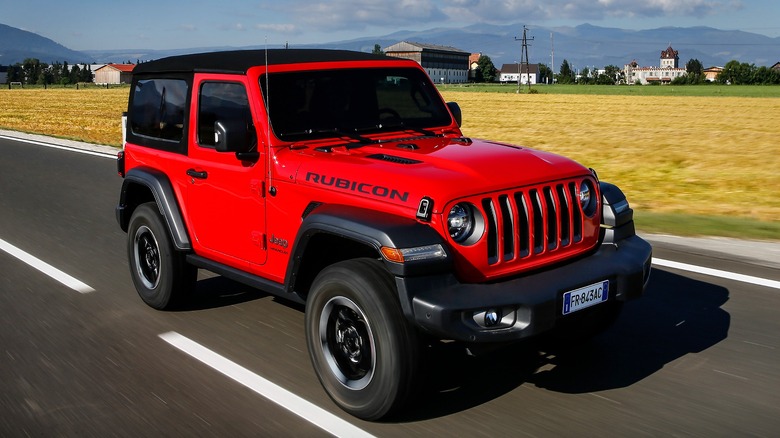
Hardtop Wranglers are more likely to survive an automatic wash without trouble. The panels fit tightly, and the seals are designed to handle water jets and brushes.
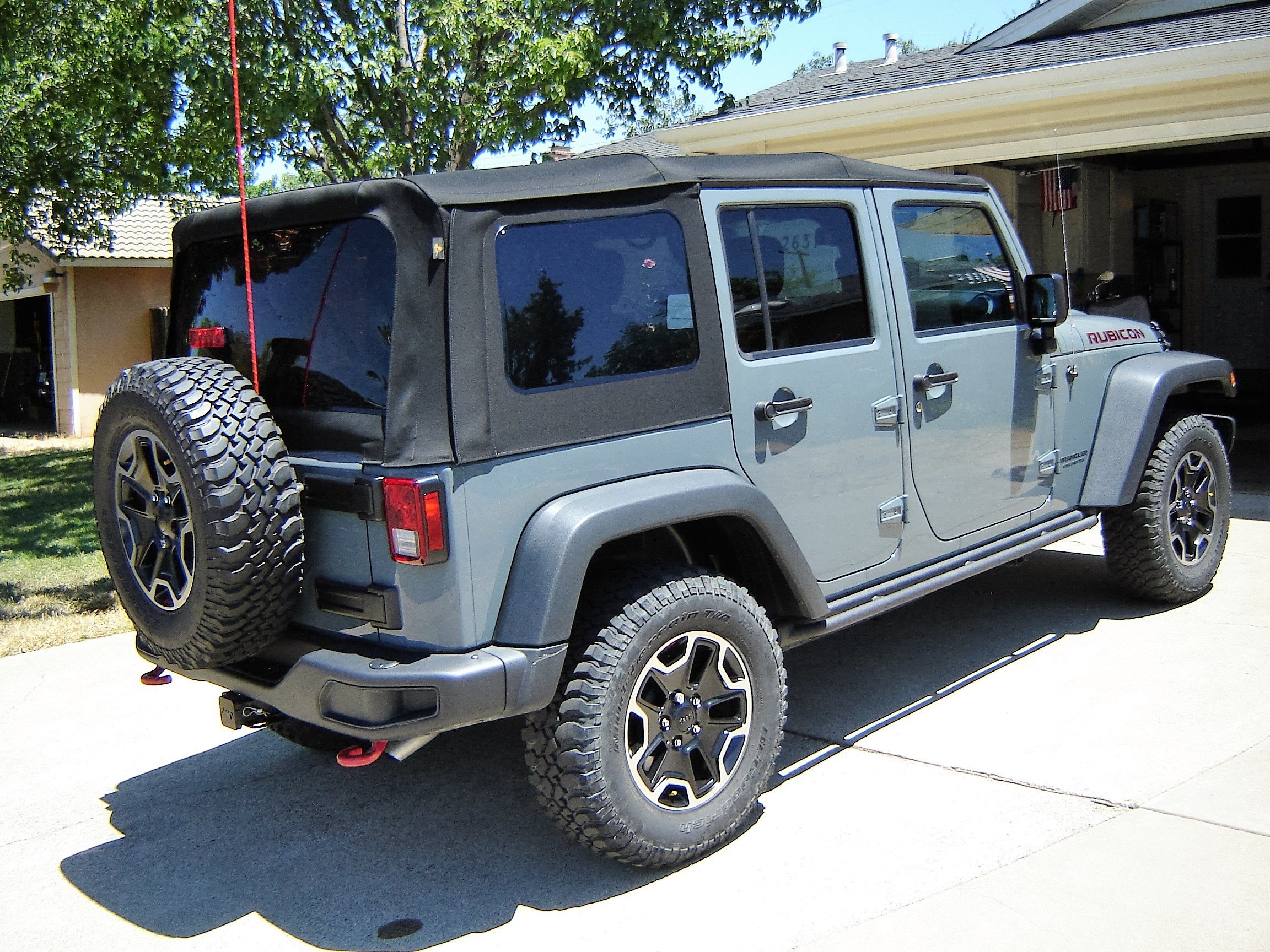
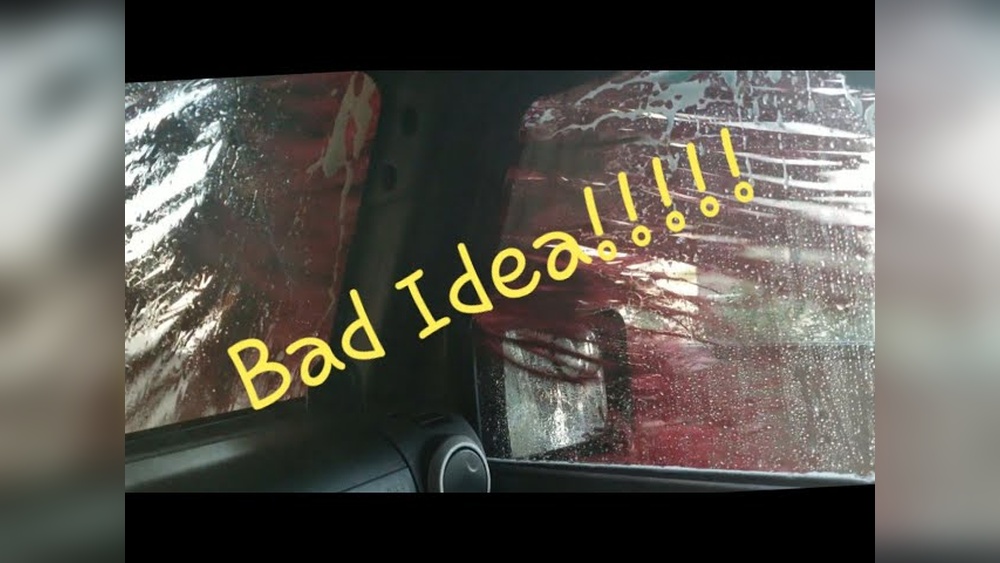
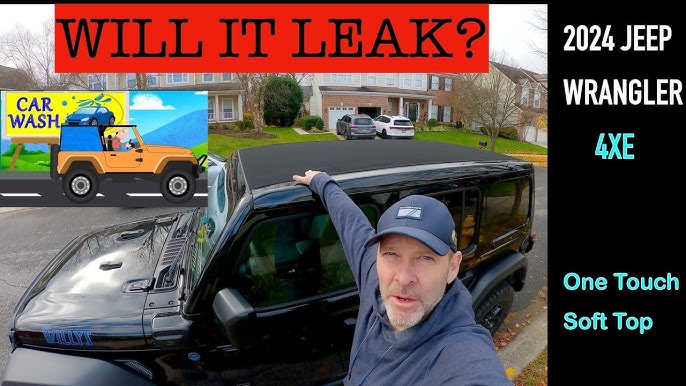
Soft tops, however, are a different story. The fabric, zippers, and seams can let water inside, especially in older models. Also, brushes can scratch or tear the material. Jeep’s official advice often warns against automatic washes for soft tops.
Aftermarket Modifications
Many Jeep owners add off-road accessories like light bars, roof racks, or large antennas. These extras can get caught or broken in a carwash. If you have any add-ons, check if they’re carwash-safe. Remove or secure anything loose before entering.
Carwash Types
Not all carwashes work the same way. Here’s how common types compare for Wranglers:
| Carwash Type | Wrangler Compatibility | Notes |
|---|---|---|
| Touchless | Best Option | No brushes, less risk |
| Brush/Soft Cloth | Okay for Hardtops | Can damage soft tops |
| Manual (Hand Wash) | Safest | Best for all types |
Steps For Washing Your Jeep Wrangler Safely
- Check your owner’s manual. Jeep gives specific advice for each model and year.
- Inspect all seals and gaskets. Make sure doors, windows, and the roof are tight.
- Remove or secure accessories. Take off antennas, racks, or loose lights.
- Choose the right wash type. Use touchless or hand wash for the safest results.
- Check after washing. Look for leaks or damage before leaving the lot.
Tip: If your Jeep is less than a year old, you may want to avoid automatic washes to keep your warranty safe. Some warranty terms don’t cover water leaks caused by carwashes.
Common Issues Jeep Owners Face In Carwashes
- Water leaks: Especially in older or soft-top Wranglers.
- Scratches: Brushes can mark soft tops, plastic windows, and aftermarket decals.
- Loose parts: Roof racks, light bars, or mirrors can get damaged or ripped off.
- Electrical problems: Water can sometimes get into wiring if seals are worn.
Many Jeep forums report that even new Wranglers can let water in at high pressure points, especially near the doors and roof seams. It’s not just old Jeeps that have problems—improper maintenance can cause issues in any model.
Hand Washing Vs Automatic Carwash: Which Is Better?
While automatic carwashes are fast, hand washing has some clear advantages:
- Better for soft tops: You control water pressure and avoid harsh brushes.
- Spot cleaning: You can focus on mud, bugs, or tar where needed.
- Protection: Less risk of leaks or damage to accessories.
However, modern touchless washes can be a good compromise. They use water and soap only, so there’s no risk of scratching or tearing fabric. Just remember, touchless washes might not remove all mud if you’ve been off-roading.
Real-world Examples
A 2023 survey by Jeep Wrangler Forum showed that about 60% of hardtop owners use automatic carwashes without issues. In contrast, only 25% of soft top owners felt comfortable doing so, and half reported some water leaks.
Mike, a Wrangler owner from Texas, shared his experience: “My 2019 hardtop goes through the automatic wash every week, no leaks yet. My neighbor with a soft top had water pour in through the rear window after just one wash.”
These stories highlight that your experience may depend on your Jeep’s setup and the carwash you choose.
Tips For A Trouble-free Wash
- Always inspect seals and replace worn parts.
- Consider hand washing if you have a soft top.
- Remove removable antennas and fold in mirrors.
- Avoid washes with undercarriage rails if you have lifted suspension.
- Dry all rubber seals after washing to prevent long-term leaks.
Some Wrangler drivers use gasket conditioners on rubber seals to keep them soft and watertight. This simple step can help prevent water leaks over time.
Frequently Asked Questions
Can I Take My Soft Top Wrangler Through A Carwash?
You can, but it’s risky. Soft tops may leak, and brushes can scratch or damage the fabric and plastic windows. Hand washing is usually safer.
Will An Automatic Carwash Damage My Jeep’s Hardtop?
Most hardtops handle automatic washes well, especially newer models. Always check your seals and avoid carwashes with very stiff brushes.
Do I Need To Remove My Antenna Before Using A Carwash?
Yes. Wrangler antennas can get bent or broken in automatic washes. Remove or retract before entering.
What About Aftermarket Parts Like Light Bars Or Racks?
Loose or bulky aftermarket parts can get caught or damaged. Remove or secure these before using a carwash.
Where Can I Find Official Jeep Advice On Carwashes?
The owner’s manual is your best source. You can also visit the Jeep Official Maintenance page for more details.
Jeep Wranglers are built for adventure, but a little care goes a long way when washing them. Choose the right method for your roof type and equipment, and you’ll keep your Jeep looking its best—without unwanted leaks or repairs.