If you own a Jeep TJ (built from 1997 to 2006), you may have heard about sway bar disconnects. But why do so many Jeep owners talk about them? Simply put, sway bar disconnects are a small upgrade that can make a big difference on rough trails. If you like off-roading or want your Jeep to handle rocks and hills better, understanding sway bar disconnects is essential. Let’s explore how this upgrade works, why it matters, and what you need to know before making changes.
What Is A Sway Bar Disconnect?
The sway bar, also called an anti-roll bar, is a metal rod that connects the left and right wheels. Its main job is to keep your Jeep level and stable during normal driving. When you take corners, the sway bar helps stop your body from leaning too much.
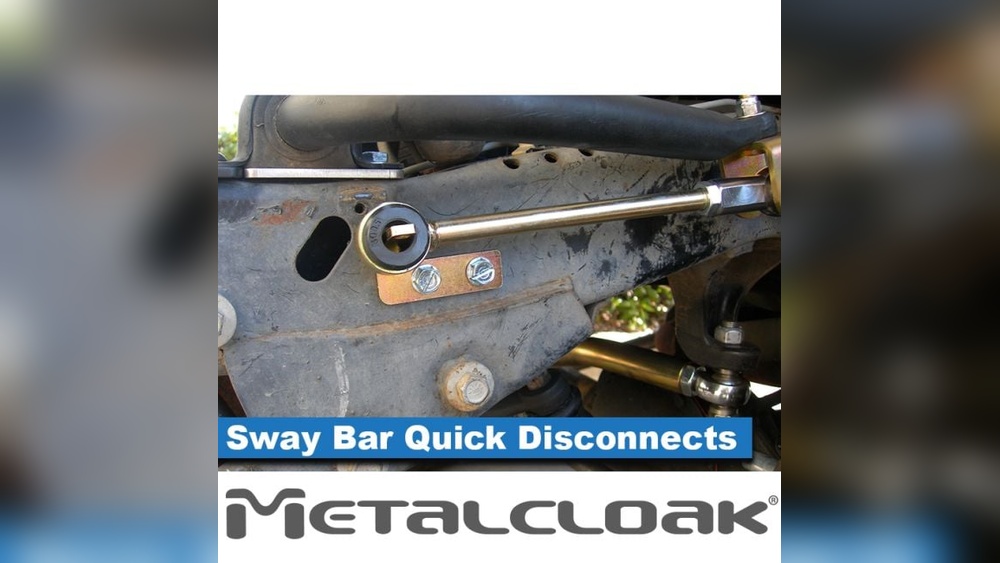
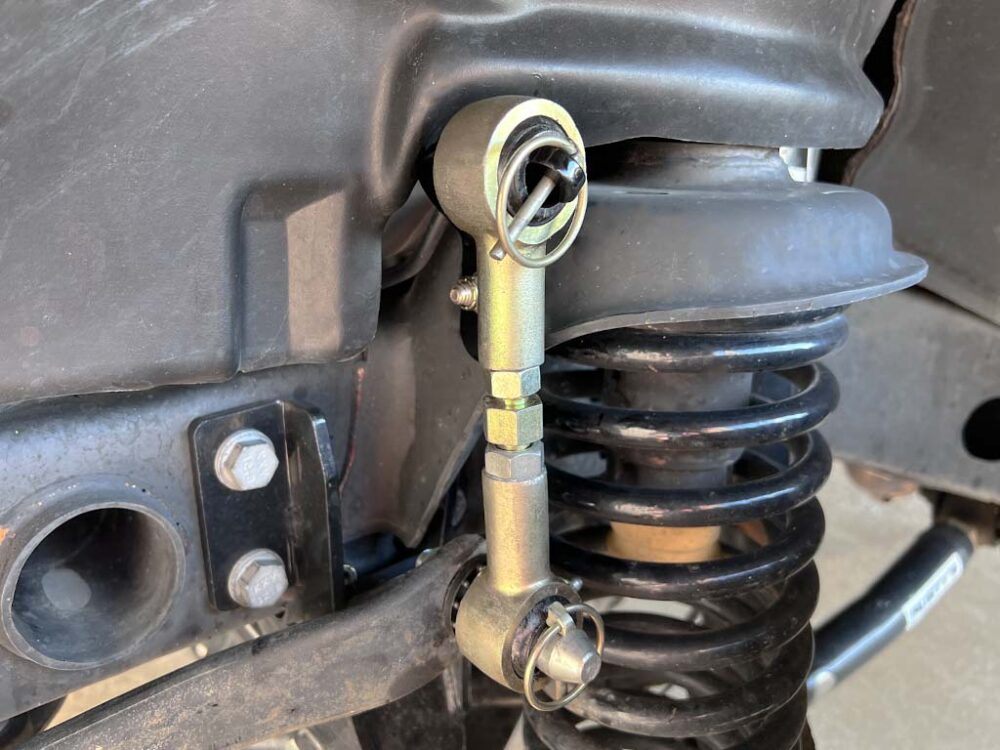
A sway bar disconnect is a device or part that lets you quickly disconnect the sway bar from the suspension. This is usually done by removing a pin or bolt. Once disconnected, your Jeep’s front suspension can move more freely, giving you better wheel articulation. This is especially helpful off-road, where uneven ground can make one wheel lift off the ground.
Why Disconnect The Sway Bar?
Disconnecting the sway bar gives your Jeep more axle flex. This means each wheel can move up and down more independently. More flex helps keep all four wheels on the ground, even on big rocks or deep ruts. When your tires stay on the ground, you have better grip and control.
For example, on a steep trail, keeping the wheels planted can prevent tipping or sliding. Off-road drivers often say that disconnecting the sway bar is one of the most cost-effective ways to boost Jeep performance. On the street, though, you should always reconnect it for safety.
Key Benefits
- Improved traction on rough terrain
- Smoother ride over obstacles
- Reduced risk of tipping on steep angles
Some people worry about safety, but as long as you reconnect the sway bar before going back on pavement, your Jeep will handle normally.
Types Of Sway Bar Disconnects For Jeep Tj
Not all sway bar disconnects are the same. Choosing the right type depends on your needs and budget. Here’s a look at the most common options:
| Type | How It Works | Typical Price |
|---|---|---|
| Manual Quick Disconnects | Pull a pin or remove a bolt by hand | $50–$150 |
| Automatic/Remote Disconnects | Disconnects with switch or lever | $700–$1,200 |
| Adjustable Links | Let you fine-tune sway bar length | $100–$250 |
Manual quick disconnects are the most popular for Jeep TJ owners. They are reliable and easy to install. Automatic disconnects are more convenient but cost much more and need professional installation.
How To Install Sway Bar Disconnects
If you’re handy with tools, you can install most manual disconnects at home. Here’s a basic outline:
- Lift your Jeep with a jack and secure it on stands.
- Remove the factory sway bar links using simple hand tools.
- Attach the new disconnects following the instructions.
- Double-check all bolts for tightness.
- Test fit by disconnecting and reconnecting before hitting the trail.
For most kits, installation takes about 1–2 hours. If you’re not comfortable, a shop can do it for you.
Common Mistakes
- Not tightening bolts enough (can cause rattling)
- Not keeping sway bar links clean (dirt can jam the pin)
- Forgetting to reconnect before driving home
A good tip: Always carry gloves and a rag to wipe off mud before reconnecting.
Real-world Off-road Example
Let’s say you drive your Jeep TJ up a rocky trail. With the sway bar connected, your front wheels can’t move independently. One wheel lifts, and you lose traction. After disconnecting, both front wheels flex over rocks, keeping your tires on the ground.
You climb obstacles more smoothly and feel more in control.
Many off-roaders report up to 30% more suspension travel with sway bar disconnects. This can be the difference between getting stuck or making it to the top.
Choosing The Right Sway Bar Disconnect
Picking the right disconnect is more than just price. Here are a few things to consider:
| Feature | Why It Matters |
|---|---|
| Durability | Must handle mud, water, and rocks |
| Ease of Use | Quick to remove and reattach |
| Fit for Lifted Jeeps | Some links work only with stock or lifted suspension |
| Grease Fittings | Helps reduce squeaks and wear |
Non-obvious tip: Always check the length of the disconnects. If you have a lift kit, you may need longer sway bar links. Fitting the wrong size can limit your suspension travel or even damage the bar.
Another thing beginners miss: Make sure your sway bar disconnects have good retaining pins or brackets to hold the bar up when disconnected. If you don’t secure it, the bar can swing down and hit the ground or other parts of your Jeep.

Maintenance And Safety
Sway bar disconnects are simple, but they need regular checks. Dirt and rust can make them hard to remove. Once a month, spray some lubricant on the moving parts. After every off-road trip, inspect for bends, cracks, or missing hardware.
Never drive fast or take sharp turns on pavement with your sway bar disconnected. It can make your Jeep feel unstable and increase the risk of a rollover.
For more details about anti-roll bars, see the Wikipedia page on anti-roll bars.
Frequently Asked Questions
What Does A Sway Bar Disconnect Do For My Jeep Tj?
A sway bar disconnect lets your front wheels move more independently. This gives you better traction and control off-road by keeping your tires in contact with the ground.
Can I Install Sway Bar Disconnects Myself?
Most manual disconnect kits are DIY-friendly. You need basic tools and about 1–2 hours. Always follow the instructions and double-check all bolts.
Is It Safe To Drive On The Road With The Sway Bar Disconnected?
No, it’s not safe. Your Jeep will sway more and could roll over in sharp turns. Always reconnect the sway bar before driving on pavement.
Do I Need Sway Bar Disconnects If I Never Go Off-road?
If you only drive on roads, you don’t need disconnects. They are mainly for off-road performance.
How Often Should I Check My Sway Bar Disconnects?
Check them after every off-road trip and at least once a month. Look for rust, damage, or loose pins, and lubricate as needed.
Upgrading to a sway bar disconnect can change how your Jeep TJ handles rough trails. With better traction and more suspension flex, you’ll tackle obstacles with confidence. Just remember to reconnect before hitting the highway, and your Jeep will be ready for both adventure and daily driving.