Every car brand has its own secrets and traditions, but few are as playful as those found in Jeep vehicles. If you’ve ever heard someone talk about “hidden animals” in Jeeps, you might wonder if it’s just a rumor or something more.
Jeep owners around the world share stories about finding little surprises on their vehicles—tiny animals, shapes, and symbols that most people miss. But what’s the real story behind these hidden animals, and why do they exist?
The idea of hiding small animals and symbols on Jeeps started in the late 1990s. Designers wanted to add a unique, fun touch to the vehicles. These surprises are known as “Easter eggs”—a term for hidden features or messages.
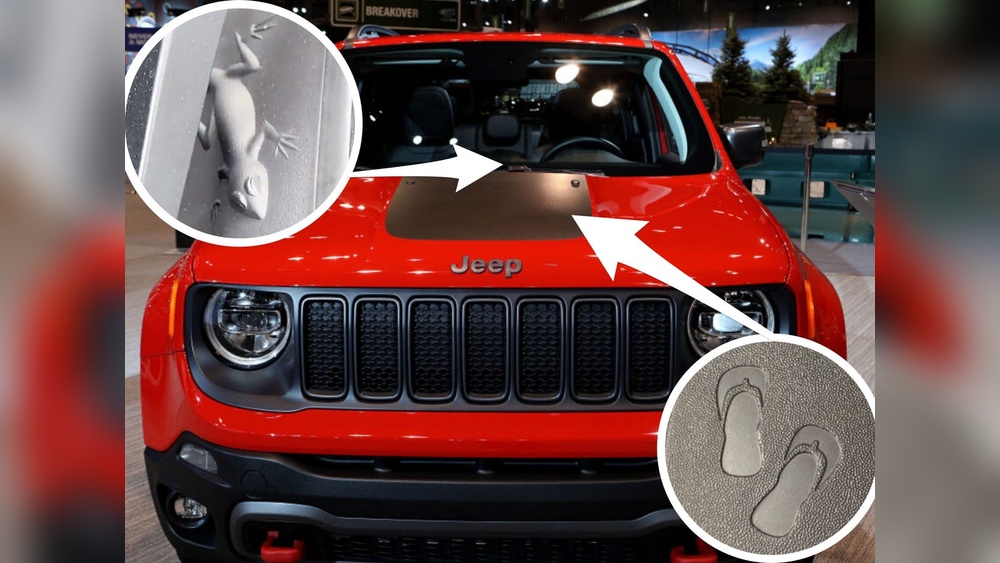
The first well-known Jeep Easter egg was a small gecko on the cowl of the 2011 Jeep Grand Cherokee. After that, more animals and shapes appeared on different models. Today, many new Jeeps include these hidden details as part of the brand’s identity.
What Animals Can You Find On Jeeps?
Jeeps feature a variety of animals and symbols. Some are easy to spot, while others require a careful eye. The most common include:
- Geckos – Usually found on the cowl or under the windshield wipers.
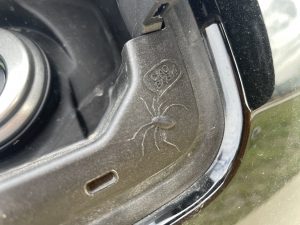
- Spiders – Often hidden in the fuel door or inside the gas cap.
- Lizards – Sometimes appear on the dashboard or in storage areas.
- Monkeys – Seen in places like the rear window or under seats.
- Willys Jeep Grille – Not an animal, but a nod to Jeep’s military history; often found in headlights or wheels.
But not every Jeep has the same Easter eggs. The location and type depend on the model and the year.
Finding these animals can feel like a treasure hunt. Here are some places where owners have reported seeing them:
| Jeep Model | Animal/Symbol | Typical Location |
|---|---|---|
| Wrangler JL | Spider | Fuel door |
| Renegade | Yeti | Rear window |
| Compass | Lizard | Dashboard |
| Grand Cherokee | Gecko | Wiper cowl |
Some Jeep models even have multiple Easter eggs. Owners have found Morse code, maps, and even the Loch Ness Monster!
Why Does Jeep Hide Animals In Their Cars?
Jeep’s hidden animals are more than just decoration. They serve a few important purposes:
- Brand personality: The hidden animals show Jeep’s playful side and make each car feel special.
- Customer connection: Finding an Easter egg can create a fun moment, helping owners feel more connected to their vehicle.
- Marketing: Hidden features encourage people to share photos online, giving Jeep free publicity.
What many people miss is how these details also encourage careful inspection. If you look closely, you might notice higher attention to quality in areas where these symbols appear.
How To Find Easter Eggs In Your Jeep
If you own a Jeep, searching for Easter eggs can be a fun activity. Here’s how to start:
- Check the owner’s manual – Some manuals hint at locations, but most do not list them directly.
- Search common spots:
- Around the windshield and wipers
- Inside the fuel door or gas cap
- On the dashboard or storage areas
- In the headlights or taillights
- Join Jeep forums or groups – Many owners share photos and tips online.
- Use a flashlight – Some animals are small and easy to miss in low light.
Not every Jeep will have the same animals, and older models may not have any at all. In fact, most Easter eggs are found in vehicles made after 2011.
Not every Jeep has a hidden animal. The tradition started in the 2010s, so earlier models usually do not include them. Even among new vehicles, the number and type of Easter eggs can vary.
Here’s a quick comparison of models and their typical Easter egg presence:
| Model Year | Likely to Have Easter Eggs? | Number of Known Eggs |
|---|---|---|
| Before 2010 | No | 0 |
| 2011–2015 | Some | 1–2 |
| 2016–2024 | Yes | 2–7 |
If you’re buying a used Jeep and want these fun features, ask the seller about them or research the specific model and year.

The Impact On Jeep Owners
For many Jeep fans, finding hidden animals is a source of pride. It’s common to see photos of newly discovered Easter eggs shared on social media. Some owners even trade tips about rare or unusual symbols.
One non-obvious insight is that Easter eggs can sometimes increase the resale value of a Jeep. Collectors and fans may pay more for vehicles with rare or unique symbols. Another detail most people miss: these hidden animals sometimes serve as informal quality checks, showing that designers paid close attention to detail in those areas.
Frequently Asked Questions
The main purpose is to add a fun, personal touch. They make the vehicle feel unique and help create a bond between owners and their cars.
Can I Request Specific Easter Eggs When Buying A New Jeep?
No, you can’t ask for specific hidden animals. The design team decides where and what to hide, and these details are not customizable.
A few brands, like Tesla and Volvo, include Easter eggs, but Jeep is the most famous for it. The tradition is now part of Jeep’s brand identity. For more on automotive Easter eggs, see this Wikipedia article.
No, some are inside the car—on dashboards, storage bins, or even the windshield. Jeep designers like to surprise owners both inside and out.
If you replace parts like wiper cowls or dashboards, you might lose the Easter egg. Always check before replacing parts if you want to keep these details.
Jeeps are more than just vehicles—they’re part of a fun tradition that connects owners around the world. Next time you see a Jeep, look a little closer. You might find a tiny animal watching you from its hidden spot.