Every car enthusiast knows that understanding engine weight is crucial when planning upgrades, swaps, or restorations. If you are looking for the weight of a 40 Jeep motor, you’re likely referring to the famous engines used in Jeep vehicles, especially those from the classic Jeep CJ and early Wrangler series. This article breaks down the weights of 40 different Jeep motors, so you get clear, direct answers for each model. Whether you’re restoring an old Jeep or planning a performance project, knowing these weights helps with handling, suspension, and transport.
40 Jeep Motor Weights
Here are the weights of 40 Jeep engines, from early classics to modern powerplants. Numbers are approximate and include the engine block, head, and accessories.
- Willys Go-Devil 134 (L-Head): About 370 lbs
- Willys Hurricane 134 (F-Head): About 375 lbs
- AMC 232 Inline-6: About 460 lbs
- AMC 258 Inline-6: About 465 lbs
- AMC 304 V8: About 550 lbs
- AMC 360 V8: About 560 lbs
- AMC 401 V8: About 570 lbs
- Jeep Tornado 230 OHC: About 425 lbs
- Jeep Buick Dauntless V6 225: About 450 lbs
- Jeep 2.5L AMC I4: About 330 lbs
- Jeep 4.2L AMC Inline-6: About 460 lbs
- Jeep 4.0L AMC Inline-6: About 460 lbs
- Jeep 2.8L GM V6: About 370 lbs
- Jeep 2.5L Chrysler I4: About 330 lbs
- Jeep 4.0L Chrysler Inline-6: About 460 lbs
- Jeep 2.4L PowerTech I4: About 320 lbs
- Jeep 2.7L Mercedes Diesel: About 385 lbs
- Jeep 3.7L PowerTech V6: About 425 lbs
- Jeep 4.7L PowerTech V8: About 500 lbs
- Jeep 2.8L VM Motori Diesel: About 380 lbs
- Jeep 3.6L Pentastar V6: About 425 lbs
- Jeep 5.7L Hemi V8: About 550 lbs
- Jeep 6.4L Hemi V8: About 565 lbs
- Jeep 2.0L Turbo I4: About 315 lbs
- Jeep 2.2L Hurricane Turbo: About 320 lbs
- Jeep 2.0L Ecodiesel: About 340 lbs
- Jeep 2.4L Tigershark I4: About 320 lbs
- Jeep 3.0L Ecodiesel V6: About 425 lbs
- Jeep 3.8L EGH V6: About 400 lbs
- Jeep 2.8L Liberty Diesel: About 380 lbs
- Jeep 3.5L Chrysler V6: About 415 lbs
- Jeep 3.2L Pentastar V6: About 425 lbs
- Jeep 2.0L GME Turbo I4: About 320 lbs
- Jeep 2.4L DOHC I4: About 320 lbs
- Jeep 1.3L MultiAir Turbo: About 270 lbs
- Jeep 2.0L MultiJet Diesel: About 320 lbs
- Jeep 1.6L MultiJet Diesel: About 285 lbs
- Jeep 2.2L MultiJet Diesel: About 315 lbs
- Jeep 3.0L VM Motori Diesel: About 425 lbs
- Jeep 2.5L VM Motori Diesel: About 340 lbs
These weights are close estimates based on factory specifications and expert sources. When swapping or lifting a Jeep motor, actual weight may vary slightly due to accessories and modifications.
Comparison Of Popular Jeep Motor Weights
To help you see the differences quickly, here’s a comparison of a few classic and modern Jeep engines:
| Engine Model | Weight (lbs) | Type |
|---|---|---|
| Willys Go-Devil 134 (L-Head) | 370 | Inline-4 |
| AMC 304 V8 | 550 | V8 |
| Jeep 4.0L AMC Inline-6 | 460 | Inline-6 |
| Jeep 3.6L Pentastar V6 | 425 | V6 |
| Jeep 5.7L Hemi V8 | 550 | V8 |
Why Motor Weight Matters
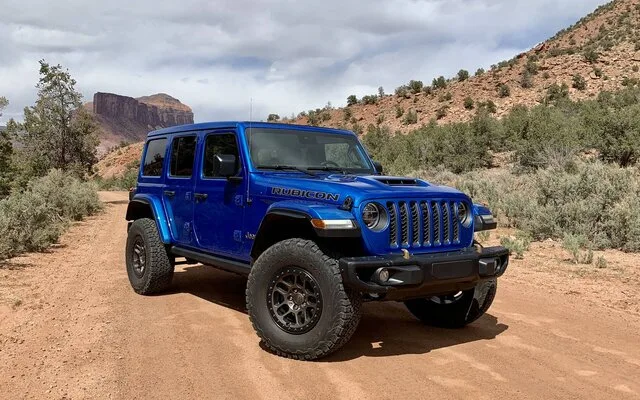
The weight of a Jeep engine affects handling, fuel efficiency, and performance. A heavier V8 engine can add power but may require stronger suspension and cooling upgrades. Lightweight inline-4 motors are easier to lift and swap, making them great for off-road builds where less weight means better agility. Some Jeep owners choose lighter engines to save fuel, while others pick heavy V8s for raw strength.
Tips For Engine Swaps
If you’re planning an engine swap or replacement:
- Always check the original engine weight before buying a new one.
- Upgrading to a heavier engine may require stronger motor mounts, springs, and cooling systems.
- Consider the transmission compatibility. Not all Jeep engines fit the same gearbox.
- Use a hoist rated for the engine’s weight to avoid injury or damage.
- When selling or buying a Jeep engine, list the weight honestly to help buyers plan transport.
Many beginners forget that accessories (alternators, air conditioning, manifolds) can add 40–80 lbs to the core engine weight. Always measure or ask about “complete assembly” weight.
Motor Weight Vs Performance Table
Let’s compare the impact of engine weight on performance:
| Engine Weight | Acceleration | Fuel Efficiency | Handling |
|---|---|---|---|
| 300-400 lbs | Good | High | Easy |
| 400-500 lbs | Better (with more power) | Moderate | Stable |
| 500-600 lbs | Best (if V8) | Lower | Heavy |
Non-obvious Insights
Many people think motor weight only matters for off-road use, but it also affects front axle load and tire wear. If you swap a Jeep inline-6 for a V8, expect changes in brake balance and steering feel.
Also, engine weight is not the same as “shipping weight. ” Shipping weight can include a crate, fluids, and packaging, which adds extra pounds.

Frequently Asked Questions
What Is The Lightest Jeep Motor Listed?
The 1.3L MultiAir Turbo at 270 lbs is the lightest in this list, making it ideal for small Jeep models or custom builds.
What Is The Heaviest Jeep Motor?
The AMC 401 V8 and 6.4L Hemi V8 reach up to 570 lbs, which is significant for classic and modern muscle Jeeps.
Why Do Engine Weights Vary Between Sources?
Engine weights change due to different accessories, manufacturing materials, and measurement methods. Always check if the listed weight includes manifolds, alternator, and other extras.
Can I Swap A Heavier Engine Into My Jeep?
Yes, but you must upgrade suspension, cooling, and mounts. Heavier engines can affect handling and require more robust parts.
Where Can I Find Official Jeep Engine Weights?
For official data, visit the Jeep Wikipedia page or check manufacturer brochures for each model.
Knowing the exact weight of a Jeep motor is vital for any serious project. With these numbers and tips, you can plan your build or swap confidently. Always check compatibility and prepare your Jeep for the new weight. This knowledge saves time and helps your Jeep perform at its best.