The Jeep Cherokee backup camera has become an essential feature for modern drivers. If you own a Cherokee or plan to buy one, understanding how the backup camera works can make parking and reversing easier and safer. Many people ignore this tech until they face parking problems or accidents. Here, you’ll learn about its benefits, how it compares with other systems, common issues, and tips for getting the most from your camera.
Why The Jeep Cherokee Backup Camera Matters
A backup camera is not just a gadget—it’s a safety tool. The National Highway Traffic Safety Administration reports that backup cameras reduce the risk of back-over accidents by 17%. When you reverse your Jeep Cherokee, the camera gives you a clear view of obstacles, pets, or children behind your vehicle.
Most recent Cherokee models (2014 and newer) come with a factory-installed camera. Older models can be upgraded with aftermarket kits. If you drive in crowded cities or tight parking lots, the backup camera can save you from costly dents or scratches.

Features Of The Cherokee Backup Camera
The Jeep Cherokee backup camera is designed to offer clear images, even in low light. Here’s what you can expect:
- Wide-angle lens: Covers more area behind the vehicle.
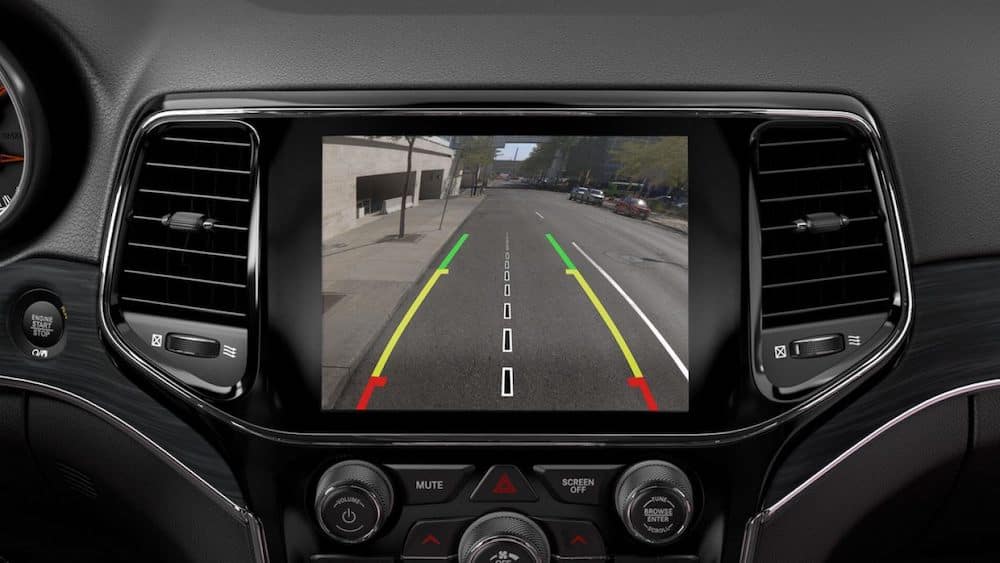
- Dynamic guidelines: Lines on the screen move as you turn the steering wheel, showing your path.
- Night vision: Infrared or LED lighting helps you see in darkness.
- Waterproof housing: Protects the camera from rain and dust.
Some trims, like the Limited or Trailhawk, offer higher resolution and larger screens. The camera activates automatically when you shift into reverse, displaying the image on the infotainment screen.

Comparing Jeep Cherokee Backup Camera To Other Models
Let’s see how the Cherokee’s backup camera stacks up against similar SUVs.
| Model | Camera Resolution | Guidelines | Night Vision |
|---|---|---|---|
| Jeep Cherokee | 720p | Dynamic | Yes |
| Honda CR-V | 480p | Static | Yes |
| Toyota RAV4 | 720p | Dynamic | Yes |
| Ford Escape | 480p | Static | Yes |
The Cherokee’s camera generally offers higher resolution and dynamic guidelines, making parking more intuitive. However, some SUVs offer multiple camera angles or 360-degree views, which are not standard in the Cherokee.
Installing Or Upgrading Your Backup Camera
If your Cherokee lacks a backup camera, installing one is possible. Kits are available online and at auto shops. Most kits cost between $100 and $350, depending on features.
Installation steps:
- Remove the interior panel of the rear hatch.
- Mount the camera near the license plate.
- Connect wiring to the reverse light and infotainment system.
- Test the camera’s angle and adjust if needed.
Professional installation can cost $150–$300. Some aftermarket cameras offer wireless connections, but wired systems are more reliable.
Here’s a comparison of factory vs. aftermarket cameras:
| Type | Resolution | Warranty | Integration |
|---|---|---|---|
| Factory | 720p | 3 years | Full (infotainment, guidelines) |
| Aftermarket | 480p–1080p | 1 year | Partial (may use separate screens) |
Factory cameras are better integrated and covered by warranty, but aftermarket options can be more affordable and offer extra features.

Troubleshooting Common Backup Camera Problems
Even the best cameras sometimes fail. Here are common issues and solutions:
- Blurry image: Clean the lens with a microfiber cloth.
- No image on screen: Check wiring connections and fuse.
- Flickering or static: Inspect for loose wires or interference.
- Guidelines missing: Update software or check settings.
If your camera stops working after rain or car wash, it may have water inside. Let it dry, then seal the housing. Sometimes, a software reset fixes display issues.
Practical Tips To Get The Most From Your Camera
- Keep the lens clean. Dirt, snow, or rain can block your view.
- Check camera angle. Make sure it’s pointing down enough to see the ground.
- Use guidelines. Follow the lines for safer parking.
- Don’t rely only on the camera. Always check mirrors and surroundings.
- Update software. If your Cherokee has Uconnect, update it for better performance.
Many new drivers think the camera does everything. But real safety comes from combining camera, mirrors, and awareness.
Data: Cherokee Backup Camera Effectiveness
Studies show backup cameras reduce collisions by 17%. In the Jeep Cherokee, feedback from owners shows a decrease in parking accidents after camera installation. Insurance companies sometimes offer discounts for vehicles with backup cameras.
| Year | Accident Rate (without camera) | Accident Rate (with camera) |
|---|---|---|
| 2012 | 3.2% | 2.6% |
| 2018 | 2.7% | 2.2% |
| 2023 | 2.1% | 1.7% |
These numbers show how backup cameras make a real difference for Cherokee drivers.
Frequently Asked Questions
Is The Backup Camera Standard In All Jeep Cherokee Models?
No, it became standard in most trims after 2014. If you have an older model, check if your trim includes it or consider aftermarket options.
Can I Add A Backup Camera To My Older Cherokee?
Yes. Many kits are available for older models. Some connect to the factory screen, while others use a separate monitor.
How Do I Fix A Blurry Backup Camera?
Clean the lens with a soft cloth. If it stays blurry, check for cracks or condensation inside the camera.
Are Aftermarket Cameras As Good As Factory Cameras?
Aftermarket cameras can offer higher resolution but may lack full integration with your Cherokee’s infotainment system and guidelines.
Where Can I Find More Information About Backup Camera Safety?
You can read more on the NHTSA website for official statistics and safety tips.
The Jeep Cherokee backup camera is more than just a convenience—it’s a proven safety feature. Whether you have a factory camera or plan to install one, knowing how it works and how to maintain it will improve your driving experience. With the right care and attention, your Cherokee will be safer for you, your passengers, and everyone around you.