The Jeep Cherokee backup camera is a smart feature that makes driving and parking easier. If you own a Jeep Cherokee, you already know its strong build and off-road skills. But even a tough SUV needs help when backing up in crowded streets or tight spaces. A backup camera offers extra safety, convenience, and confidence. Let’s explore how this camera works, what makes it essential, and how it compares to other options.
How The Jeep Cherokee Backup Camera Works
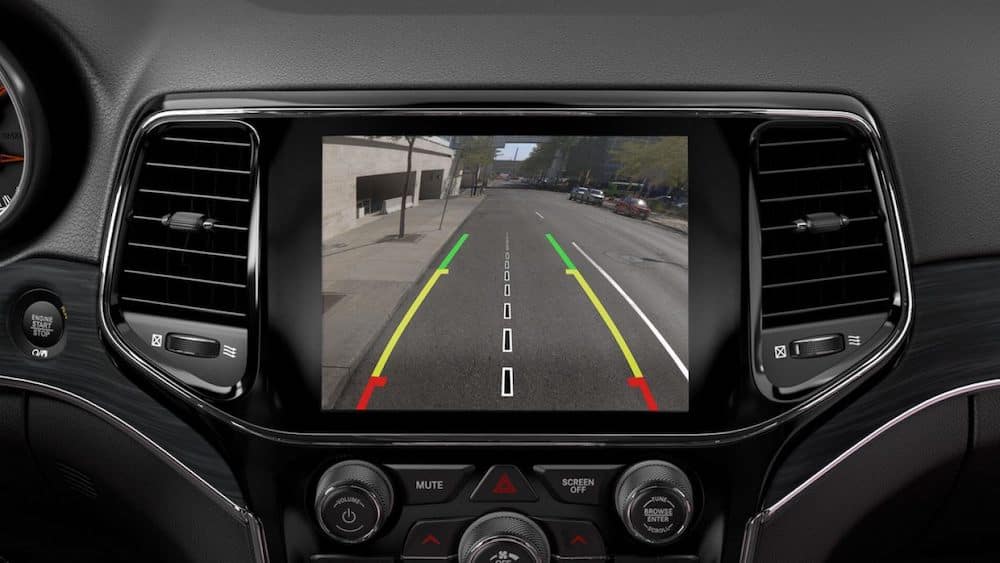
The backup camera is usually mounted above the license plate at the rear of the vehicle. When you shift into reverse, the camera activates and sends a live video feed to your dashboard screen. This real-time view shows what’s behind your Jeep, including obstacles, people, or pets.
Most Jeep Cherokee models from 2014 onward come with a factory-installed backup camera. Some older models may not have it, but you can add an aftermarket camera. The camera’s wide-angle lens lets you see more than just the ground—objects to the side and directly behind are visible.

Key Features
- Wide field of view: Covers blind spots
- Guidelines: Colored lines help you judge distance
- Night vision: Works well in low light
- Clear display: High-resolution screen for easy viewing
Benefits Of Using A Backup Camera
A backup camera is more than a gadget. It’s a practical tool for daily driving. Here are some of the main benefits:
- Improved safety: Reduces risk of hitting objects or people
- Easier parking: Helps you fit into tight spots
- Fewer blind spots: Shows areas you can’t see with mirrors
- Protects your Jeep: Prevents bumper and body damage
The National Highway Traffic Safety Administration (NHTSA) found that backup cameras reduce back-over accidents by about 17%. That’s a significant safety boost for families and busy drivers.
Comparing Jeep Cherokee Backup Camera Options
If your Jeep Cherokee lacks a backup camera, you may consider adding one. Let’s compare factory, aftermarket, and wireless options:
| Camera Type | Pros | Cons |
|---|---|---|
| Factory-installed | Integrated display, reliable, warranty | Higher cost, not available in older models |
| Aftermarket | Flexible, affordable, fits older Cherokees | May need professional installation, not always seamless |
| Wireless | Easy to install, no wires | Possible signal issues, battery-dependent |
Installation: What To Expect
Installing a backup camera depends on your Jeep’s model and the camera type. Factory-installed cameras are ready to use. Aftermarket options may require wiring and mounting. Wireless cameras are easier but can have signal issues.
Most professional installations take 1–2 hours. DIY kits are available, but many owners prefer expert help for safety and appearance. Costs range from $100–$400 for aftermarket cameras, including installation.
Here’s a step-by-step overview for a typical aftermarket installation:
- Mount the camera above the license plate
- Run wires to the dashboard display
- Connect to power and reverse gear signal
- Test the system for clear video and guidelines

Backup Camera Performance Comparison
Not all backup cameras perform the same. Here’s a quick look at three popular aftermarket models for the Jeep Cherokee:
| Model | Resolution | Night Vision | Price |
|---|---|---|---|
| Auto-Vox T2 | 720p | Yes | $120 |
| LeeKooLuu LK3 | 1080p | Yes | $90 |
| Garmin BC 40 | 720p | Yes | $150 |
Common Issues And Solutions
Backup cameras are reliable, but problems can happen. Here are a few issues Jeep Cherokee owners face:
- Blurry image: Often caused by dirt or water on the lens. Clean the lens regularly.
- No video feed: Check wiring connections or fuse. Sometimes the display screen needs a reset.
- Flickering: May be a loose wire or battery issue in wireless cameras.
- Guideline misalignment: Professional recalibration may be needed.
A non-obvious tip: If your camera fogs up often, try applying a small amount of anti-fog solution (used for glasses) to the lens.

Safety Insights Beginners Often Miss
- Backup cameras are not a substitute for mirrors. Always use mirrors and turn your head before reversing, especially in crowded areas.
- Guidelines on the screen may not match all objects. Some tall or low items can be outside the colored lines, so check surroundings carefully.
Upgrade And Maintenance Tips
If your Jeep Cherokee’s camera is outdated or blurry, consider upgrading to a newer model with higher resolution. Regular maintenance is simple:
- Wipe the lens weekly, especially after rain or off-road trips
- Check wiring during oil changes
- Update software if your dashboard screen supports it
Upgrading to a camera with a wider field of view can help you see more, reducing the risk of missing obstacles. For more details on vehicle safety and camera regulations, visit the NHTSA site.
Frequently Asked Questions
How Do I Know If My Jeep Cherokee Has A Backup Camera?
Most Cherokees from 2014 and newer have a camera standard. Look for a small lens above your license plate and check your dashboard display when reversing.
Can I Add A Backup Camera To An Older Jeep Cherokee?
Yes, aftermarket and wireless cameras fit most older models. Professional installation is recommended for best results.
Is A Backup Camera Required By Law?
Since 2018, new passenger vehicles in the US must have a backup camera. Older vehicles are not required, but adding one improves safety.
Do Backup Cameras Work In The Dark?
Most Jeep Cherokee cameras have night vision. They use infrared or LED lights to help you see clearly in low light.
How Do I Fix A Blurry Backup Camera Image?
Clean the lens with a soft cloth. If the image stays blurry, check for water inside the lens or replace the camera if needed.
A backup camera is a smart investment for your Jeep Cherokee. It boosts safety, helps avoid accidents, and makes parking easier. With the right camera and regular care, you can enjoy clear, reliable views every time you reverse.