The Jeep Cherokee has long been a favorite for drivers who want a balance of comfort, power, and off-road ability. But as technology has become a bigger part of driving, safety features like the backup camera have become almost as important as horsepower or fuel economy. Whether you own a Cherokee from a few years back or a recent model, understanding your backup camera can make parking, reversing, and daily driving much safer and easier.
Why A Backup Camera Matters In Your Jeep Cherokee
Backing up can be stressful, especially in SUVs with higher ground clearance and smaller rear windows. The backup camera provides a wide-angle, real-time view of what’s behind your vehicle. This reduces blind spots, helps prevent accidents, and makes parallel parking far easier.
Studies from the National Highway Traffic Safety Administration show backup cameras can reduce backup crashes by over 50%. For families and those living in busy neighborhoods, this feature is more than just a convenience—it’s a safety essential.
Which Jeep Cherokees Have A Backup Camera?
Not all Cherokees are the same when it comes to tech. The backup camera became standard on all Jeep Cherokee trims starting in the 2018 model year, following a federal mandate for all new vehicles sold in the US. Before 2018, only certain trims and packages included a backup camera.
Here’s a quick comparison of how the feature rolled out:
| Model Year | Backup Camera Standard? | Available on Trims |
|---|---|---|
| 2014–2017 | No | Limited, Trailhawk, Overland (optional on Sport, Latitude) |
| 2018–Present | Yes | All trims |
If you have a Cherokee from before 2018, it’s worth checking your trim level or VIN to see if you have the backup camera installed.

How The Backup Camera Works
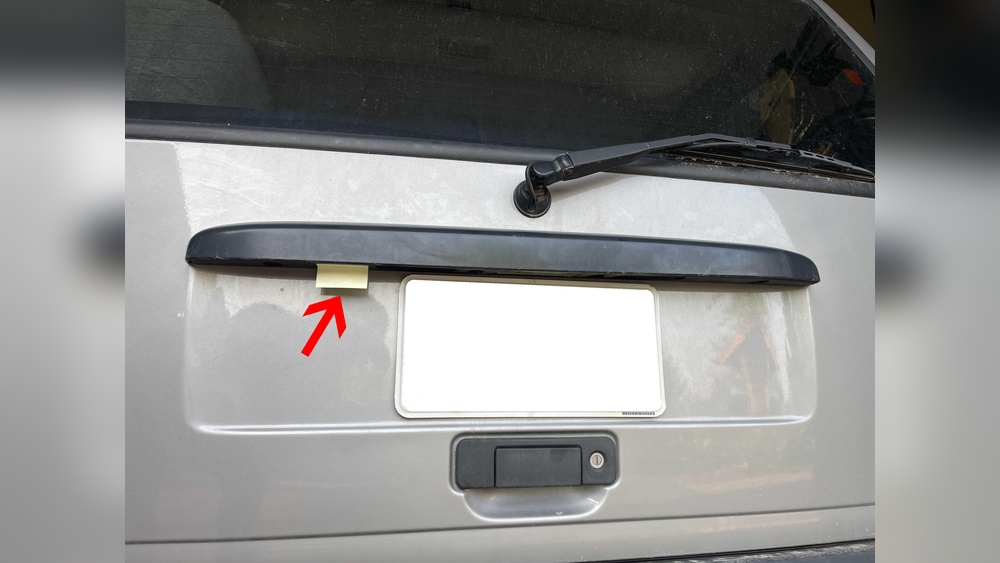
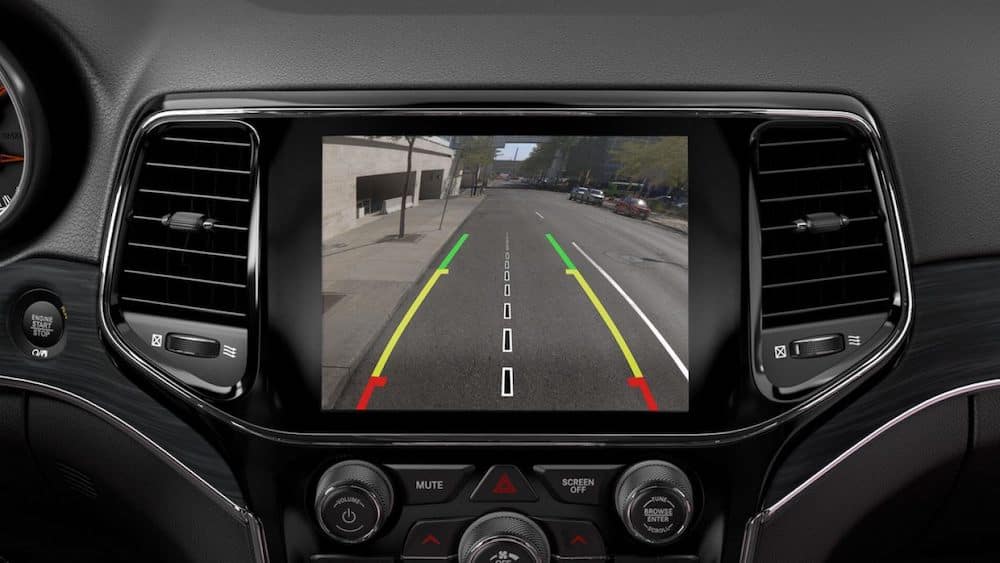
The backup camera in the Jeep Cherokee is usually located near the rear license plate. When you shift into reverse, the camera automatically activates, sending a live video feed to your dashboard display. Most Cherokees also show dynamic guidelines that curve as you turn the steering wheel, helping you judge your path and distance from obstacles.
Key Features
- Wide-angle lens for better visibility
- Dynamic guidelines that move with your steering
- Night vision for low light conditions
- Integrated with the Uconnect system for better user experience
Comparing Factory And Aftermarket Backup Cameras
Some drivers want to add a backup camera to an older Cherokee or upgrade their current one. There are two main options: factory-installed and aftermarket cameras.
| Feature | Factory Camera | Aftermarket Camera |
|---|---|---|
| Integration | Seamless with Uconnect | May need extra adapters |
| Video Quality | Consistent, high quality | Varies by brand and price |
| Warranty | Covered by Jeep warranty | Separate warranty |
| Price | Higher, but included in trim | Lower upfront cost |
Most drivers prefer factory cameras for the best integration. However, many aftermarket kits now offer wireless connectivity, larger screens, and even recording options. If you’re adding a camera, always check compatibility with your Cherokee’s display.

Common Problems And Troubleshooting
Even well-designed systems can face issues. Here are some common problems Jeep Cherokee owners might encounter:
- Blurry or foggy image: Dirt or condensation on the camera lens can cause this. Gently clean the lens with a microfiber cloth.
- No image on screen: Check if your display is set to the right input. If the camera still doesn’t work, a blown fuse or loose wiring could be the cause.
- Distorted guidelines: This often happens after a rear collision or bumper repair. Camera alignment may need adjustment.
- Camera not activating: If the backup camera doesn’t turn on when you shift to reverse, the sensor or wiring may be damaged.
For persistent problems, it’s best to visit a Jeep dealership or a trusted mechanic.
Tips For Using Your Jeep Cherokee Backup Camera
To get the most from your backup camera, keep these tips in mind:
- Clean the lens regularly. Dust, mud, and rain can quickly reduce visibility.
- Don’t rely on the camera alone. Always check your mirrors and look over your shoulder.
- Practice judging distances. The camera view can make objects appear further away than they are.
- Use the guidelines. Dynamic lines help you steer smoothly into parking spaces.
A key insight: The backup camera’s field of view is wide but doesn’t show everything. Low objects or curbs may not always be visible. It’s smart to pause and double-check before reversing in tight spaces.
Upgrading Or Replacing A Backup Camera
If your Cherokee doesn’t have a backup camera, or you want better features, upgrading is possible. Modern aftermarket kits offer:
- Wireless installation (no need to run wires through your SUV)
- HD video for clearer images
- Parking sensors for extra alerts
Installation can take 1–2 hours, depending on the system. Some kits are DIY-friendly, while others need a professional. Prices range from $80 to $400, with premium options offering larger screens or recording.
Here’s a quick look at popular upgrade options:
| Option | Features | Approx. Cost |
|---|---|---|
| OEM-style replacement | Looks factory, integrates with Uconnect | $200–$400 |
| Universal wireless kit | Works with most displays | $100–$250 |
| Screen + camera bundle | Standalone screen, no integration needed | $80–$180 |
A common beginner mistake is choosing a camera that isn’t compatible with your display. Always check your Cherokee’s model year and Uconnect version before buying.
Frequently Asked Questions
Does Every Jeep Cherokee Have A Backup Camera?
No. Backup cameras became standard on all Jeep Cherokee trims starting in 2018. Older models may or may not have one, depending on the trim and options chosen.
Can I Add A Backup Camera To My Older Cherokee?
Yes. Many aftermarket kits are available, ranging from OEM-style replacements to universal wireless systems. Some may require professional installation for best results.
My Backup Camera Is Blurry—what Should I Do?
First, clean the camera lens with a soft cloth. If the image stays blurry, check for condensation inside the lens or damage to the camera. Persistent issues may need a replacement.
Do Backup Cameras Work At Night?
Most Jeep Cherokee backup cameras include night vision or low-light technology. However, image quality depends on the amount of available light and the camera model.
Where Can I Find More Information About Jeep Cherokee Safety Features?
For the latest details, visit the official Jeep Cherokee page, which covers all features, trims, and options.
A backup camera is more than a fancy gadget—it’s a key safety tool for every Jeep Cherokee driver. With the right setup and a little care, it makes every drive safer and more confident, whether you’re parking in a city or backing up on a trail.