Is The Jeep Wrangler Good In Snow
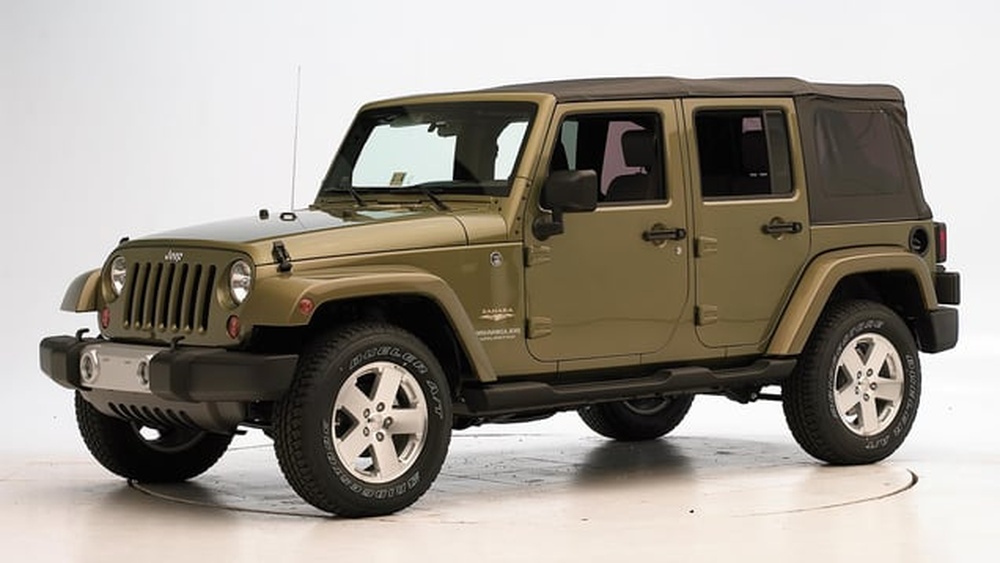
When winter arrives, driving can become tricky and sometimes dangerous. Many people wonder if the Jeep Wrangler is a smart choice for snowy roads. The Wrangler is famous for its rugged design and off-road abilities, but how does it perform when the ground is covered in snow and ice? This guide will help you understand what makes the Wrangler special, what to expect in winter conditions, and whether it’s truly a reliable vehicle for snowy climates.
Jeep Wrangler Features That Help In Snow
The Wrangler comes with several features that make it stand out in winter driving:
- Four-wheel drive (4WD): Most Wranglers have a strong 4WD system, which helps all wheels grip the road. This is very important for snow and ice, as it reduces the chances of slipping.
- High ground clearance: The Wrangler sits higher than most cars, so it can drive through deep snow without getting stuck.
- Off-road tires: Many Wranglers have tires designed for rough surfaces. These tires can help with traction in snow, though some models come with standard tires that are less effective.
- Solid axles: The Wrangler uses strong axles, making it tough and able to handle bumps or rough surfaces that appear when snow hides potholes.
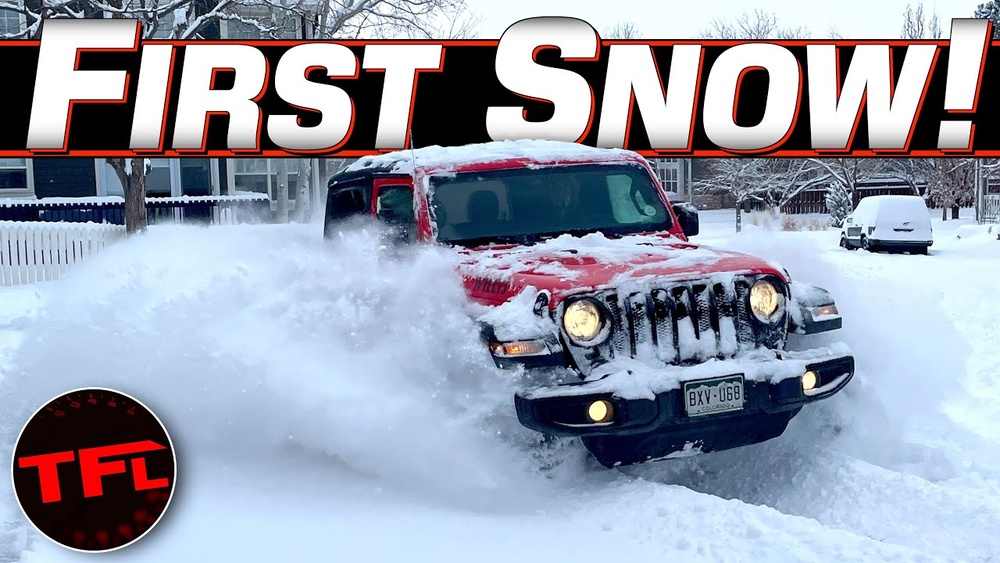
Here’s a quick comparison of the Wrangler’s winter features with a typical sedan:
| Feature | Jeep Wrangler | Sedan |
|---|---|---|
| Drive Type | 4WD | 2WD |
| Ground Clearance | 8.3 inches | 5-6 inches |
| Tire Type | All-Terrain | All-Season |
Real-world Performance In Snow
Many Jeep owners report feeling confident when driving in winter conditions. The Wrangler’s 4WD system makes it easier to start, stop, and turn on slippery roads. High clearance lets drivers pass over snow drifts and icy patches that would block smaller cars.
In a test by Consumer Reports, the Wrangler performed well in moderate snow, handling turns and hills with less sliding than most SUVs. However, it’s not perfect:
- Stopping distance: Wranglers can take longer to stop on icy roads, especially if they use off-road tires instead of dedicated snow tires.
- Handling: The Wrangler’s short wheelbase makes it nimble, but this can mean it feels less stable at higher speeds on slippery surfaces.
Consider these statistics from a winter vehicle test:
| Vehicle | Stopping Distance (Ice, 20 mph) | Turning Stability |
|---|---|---|
| Jeep Wrangler | 65 feet | Good |
| Toyota RAV4 | 58 feet | Excellent |
| Honda Civic | 75 feet | Fair |
These numbers show the Wrangler is good, but not the absolute best. For best results, use winter tires instead of all-terrain or summer tires.

Important Tips For Driving A Wrangler In Snow
To get the most from your Jeep Wrangler during winter, keep these tips in mind:
- Use winter tires: All-terrain tires are better than standard ones, but winter tires are designed for snow and ice. They can reduce stopping distance by over 20%.
- Engage 4WD early: Don’t wait until you’re stuck; switch to 4WD before hitting deep snow.
- Drive slowly: The Wrangler is powerful, but speed can cause skidding. Always go slower in snow.
- Check tire pressure: Cold air lowers tire pressure, which can affect grip. Check regularly.
- Avoid sudden moves: Steer, brake, and accelerate gently to prevent sliding.
Many beginners forget about tire pressure and don’t switch to winter tires, thinking 4WD alone is enough. Both steps are important for safety.
Common Mistakes Owners Make
Even with the Wrangler’s strengths, some owners make mistakes that reduce safety in snow:
- Relying only on 4WD: 4WD helps you move, but doesn’t help you stop. You still need good tires and careful driving.
- Ignoring tire choice: Using summer or worn tires can be dangerous, even with 4WD.
- Overconfidence: Some people think the Wrangler is “invincible.” Remember, it’s still possible to lose control or get stuck.
A non-obvious insight: The Wrangler’s removable roof and doors can let more cold air inside if not sealed well. Make sure seals are tight to keep the cabin warm.
Wrangler Vs Other Suvs In Winter
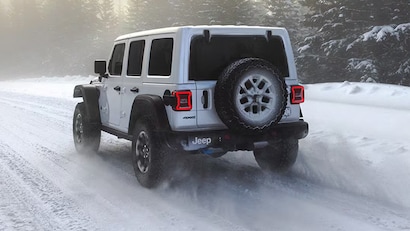
How does the Wrangler stack up against other popular SUVs? Let’s look at a few key points:
| Model | 4WD/AWD | Ground Clearance | Snow Performance |
|---|---|---|---|
| Jeep Wrangler | 4WD | 8.3 inches | Very Good |
| Subaru Outback | AWD | 8.0 inches | Excellent |
| Ford Explorer | AWD | 7.8 inches | Good |
The Subaru Outback is often praised for handling and stability, but the Wrangler’s rugged build and higher clearance give it an edge in deep snow and rough conditions.
Is The Jeep Wrangler Right For Your Winter?
If you live where winters are tough, the Jeep Wrangler is a solid option. It has strong 4WD, good ground clearance, and is built to handle rough roads. However, it’s not perfect. You must use winter tires, drive carefully, and avoid overconfidence. If you follow these steps, the Wrangler can keep you safe and comfortable all winter.
For more detailed comparisons of winter vehicles, check this Consumer Reports guide.

Frequently Asked Questions
Is The Jeep Wrangler Safe To Drive In Heavy Snow?
Yes, the Wrangler is generally safe in heavy snow if you use winter tires and drive carefully. Its 4WD system and high clearance help avoid getting stuck.
Do I Need To Use 4wd All The Time In Snow?
No, but it’s best to switch on 4WD before you enter deep snow or icy roads. This gives you better traction.
Can I Use Standard Tires In Winter?
Standard tires work, but winter tires are much better for safety and performance. All-terrain tires are okay, but not the best for ice.
How Does The Wrangler Compare To Other Suvs In Snow?
The Wrangler is strong in snow, especially deep snow, because of ground clearance and rugged build. Some SUVs, like the Subaru Outback, may have better handling but less clearance.
What’s A Common Mistake Wrangler Owners Make In Winter?
Many owners rely only on 4WD and forget to change tires or check tire pressure. Both are important for safe driving in snow.
The Jeep Wrangler is a strong performer in winter, but you need the right tires and careful habits. With a little preparation, it can be one of the best choices for snowy roads.