If you love taking your Jeep off-road, you probably know that getting stuck is almost part of the adventure. Mud, sand, snow, or steep trails can trap even the most powerful 4×4. This is where a winch becomes your best friend. Choosing the right winch for your Jeep is not just about buying the strongest one you can find. It’s about matching the winch to your Jeep, your style of off-roading, and your budget. Let’s break down what matters, so you can recover with confidence and get back to enjoying the trail.
Why Every Jeep Owner Needs A Winch
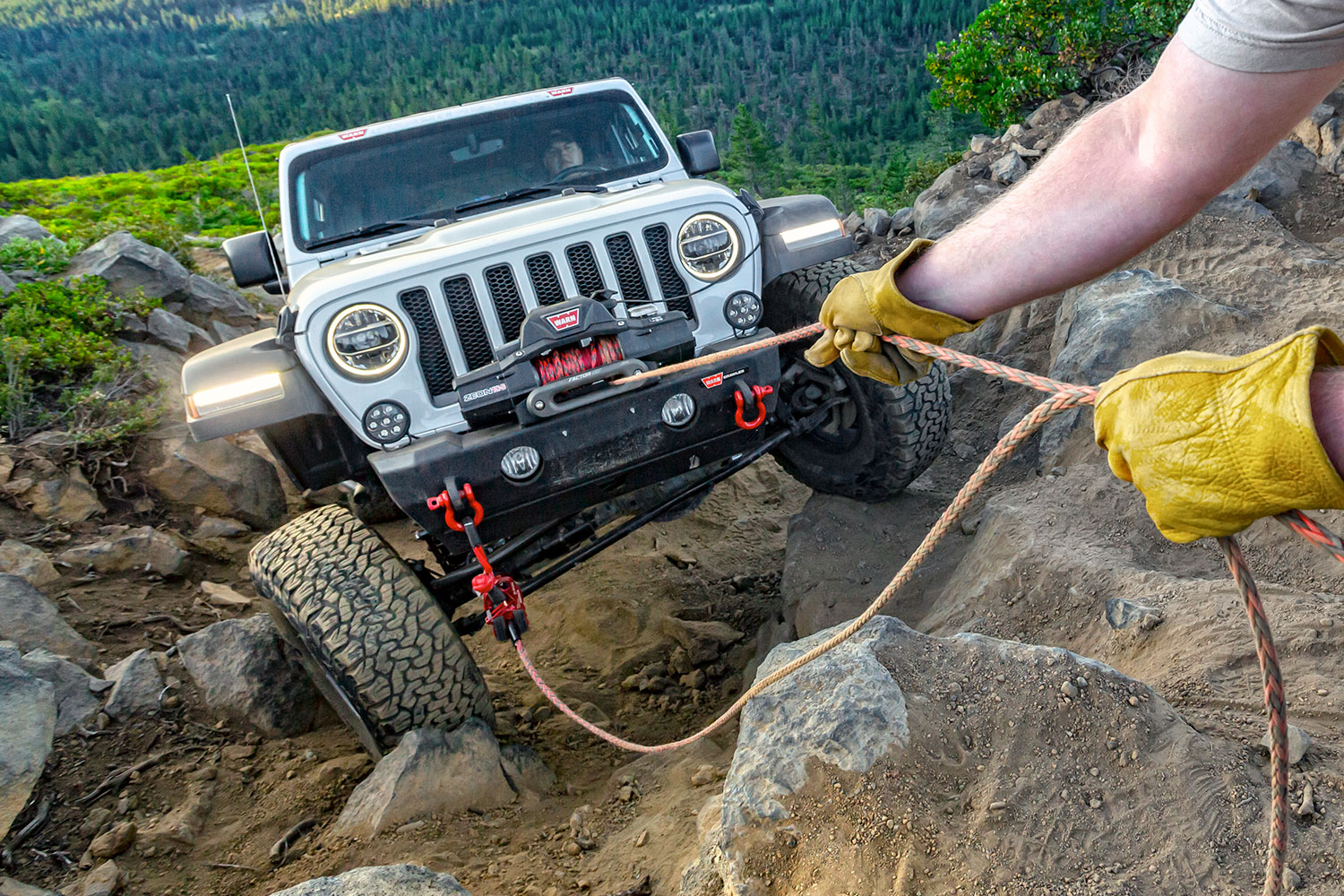
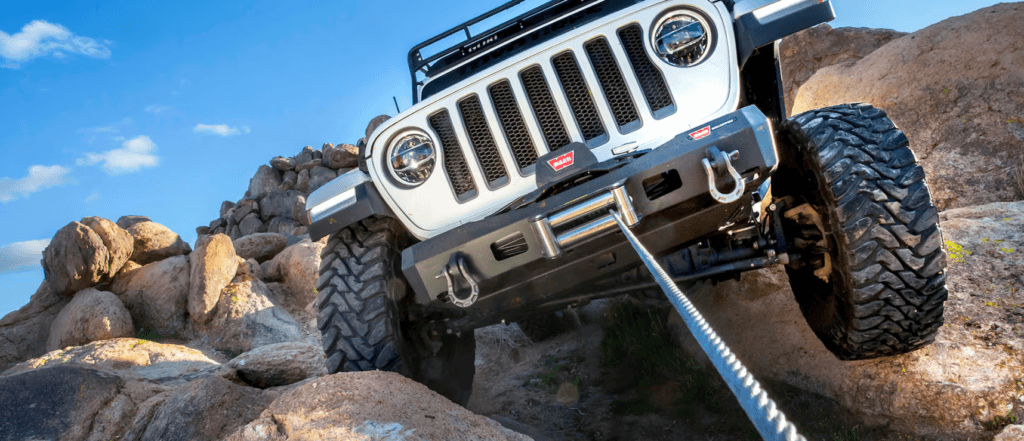
A winch is not just for extreme rock crawlers. Even mild trail drivers can end up stuck in places where a tow truck can’t reach. A winch lets you self-recover, pull others out, or clear obstacles. This peace of mind means you can explore further with less worry.
Non-obvious insight: Many Jeep owners think their factory tow hooks are enough. But tow straps alone only help if another vehicle can reach you. A winch gives you independence, especially in remote areas.
Types Of Winches For Jeeps
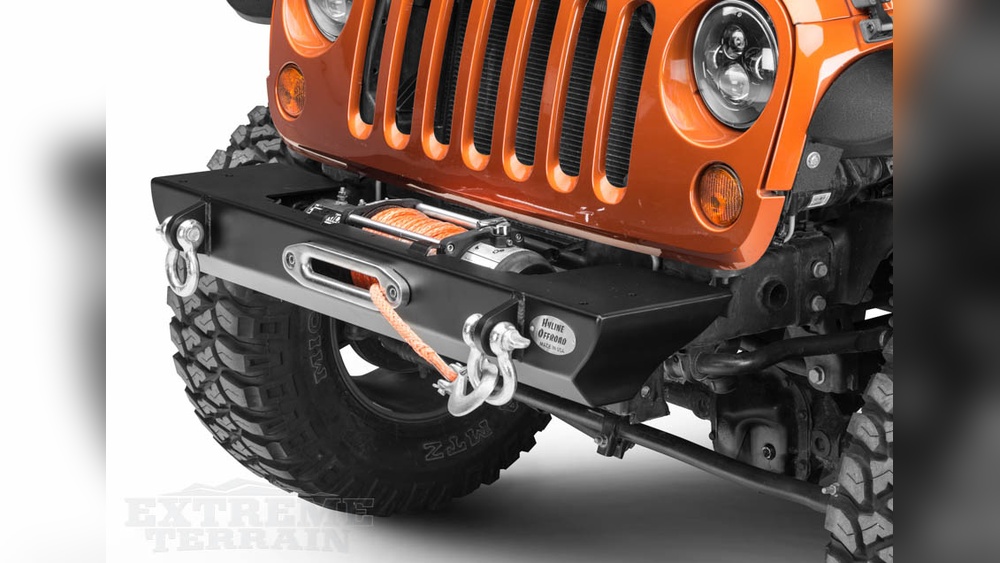
There are two main types of winches for Jeeps: electric winches and hydraulic winches.
| Type | Power Source | Best For | Pros | Cons |
|---|---|---|---|---|
| Electric | Jeep battery | Recreational off-roading | Easy install, affordable | Can drain battery |
| Hydraulic | Power steering pump | Commercial, deep water | Works with engine running | Complex install, costly |
Electric winches are the most popular for Jeep owners. They’re simple to install and work well for most trails. Hydraulic winches are more common in heavy-duty recovery and rarely needed for weekend warriors.
Key Features To Consider
Picking the right winch isn’t just about pulling power. Consider these important factors:
1. Pulling Capacity
The most critical number is pulling capacity, measured in pounds. A good rule is to choose a winch rated at 1.5 times your Jeep’s gross vehicle weight (GVW). For example, if your loaded Jeep weighs 5,000 lbs, a 7,500 lb winch is the minimum. Most Jeep owners pick winches in the 8,000-12,000 lb range.
2. Rope Type
You can choose between steel cable and synthetic rope. Steel is durable and abrasion-resistant, but it’s heavy and can whip dangerously if broken. Synthetic is lighter and safer to handle, but it needs more care and can be damaged by UV or chemicals.
| Rope Type | Weight | Safety | Maintenance |
|---|---|---|---|
| Steel Cable | Heavy | High risk if snaps | Rusts over time |
| Synthetic Rope | Light | Safer if breaks | Needs UV protection |
3. Line Speed And Motor
Line speed tells you how quickly the winch can pull, especially under load. Faster isn’t always better—reliability matters more. Series wound motors are common and handle heat better than permanent magnet motors.
4. Control Options
Most winches include a wired remote. Many now offer wireless remote controls for safer operation. Check range, reliability, and if the remote is waterproof.
5. Winch Bumper Compatibility
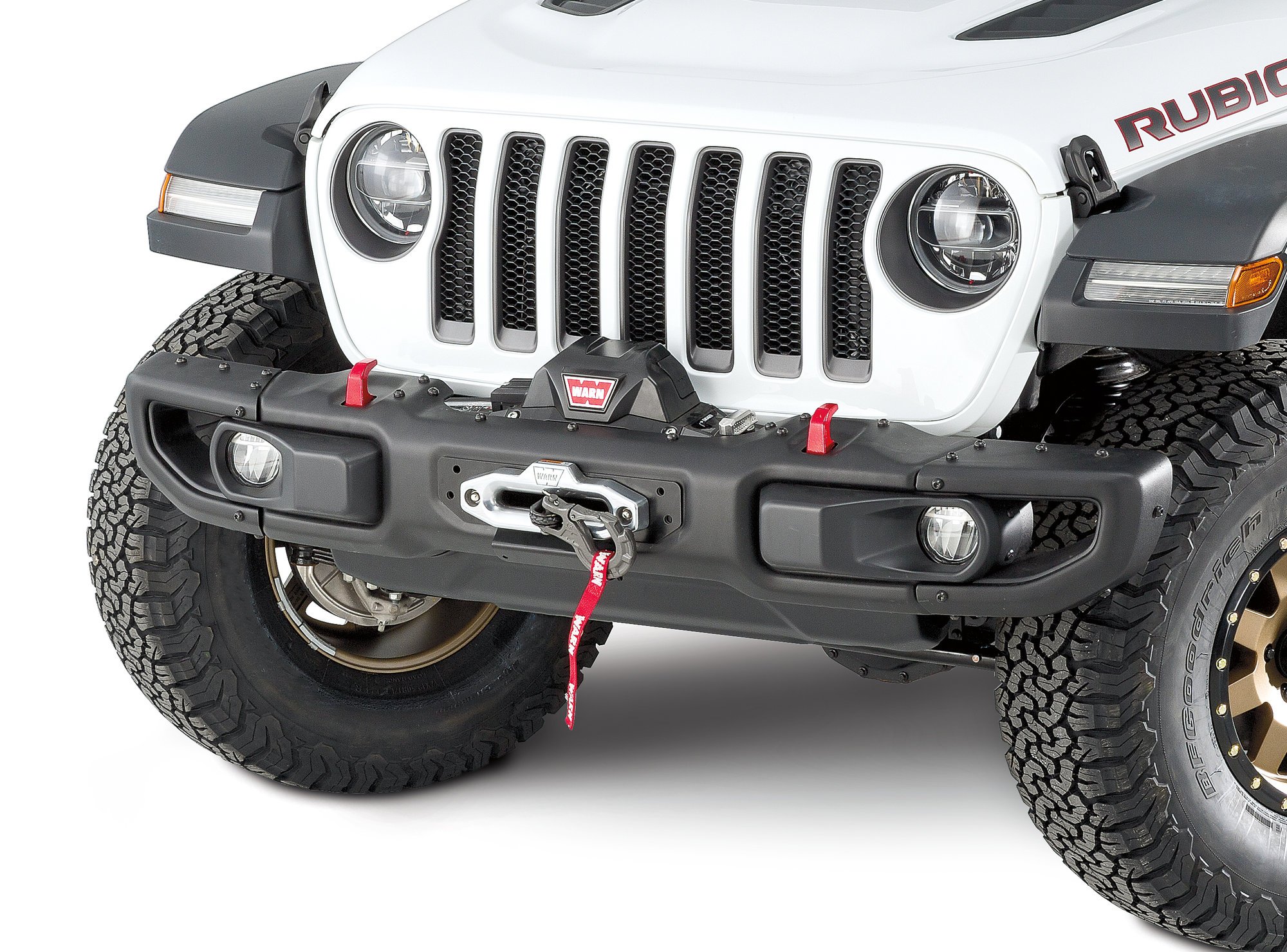
A winch requires a winch-ready bumper. Some factory Jeep bumpers can’t handle a winch. Check the mounting bolt pattern and weight rating before buying.
Top Winch Brands For Jeeps
- Warn: Known for durability and trusted by off-roaders worldwide.
- Smittybilt: Offers affordable options with good features for beginners.
- Superwinch: Reliable, with simple controls and good value.
- Rough Country: Popular for budget builds and includes wireless remote options.
- Zeon: Premium line from Warn, with advanced electronics and waterproofing.
Installing A Winch On Your Jeep
Most modern winches are “bolt-on,” but installation still takes planning. Here’s what to expect:
- Choose the right bumper: Make sure it’s winch-compatible and rated for the winch’s weight.
- Wiring: Run heavy-gauge power cables from your battery. Use supplied relays and follow instructions closely.
- Mount the fairlead: This guides the rope and prevents damage.
- Test operation: Before heading off-road, test the winch under light load.
Non-obvious tip: After your first installation, check all bolts and wiring after every trip for the first few uses. Vibrations can loosen hardware.
Common Mistakes When Choosing A Jeep Winch
- Underestimating weight: Many buyers choose a winch that’s too small for their loaded Jeep (including gear and passengers).
- Ignoring bumper compatibility: Not all winches fit all bumpers. Measure before buying.
- Cheap cables: Using undersized or poor-quality wiring can cause failures and even fires.
- Skipping waterproof ratings: If you drive in mud or water, pick a winch with an IP68 waterproof rating.
Cost And Value
A basic winch for a Jeep starts around $350, while premium models with synthetic rope, wireless remote, and waterproofing can reach $1,200 or more. Don’t forget to add installation cost if you’re not DIY-minded (usually $150–$300 at a shop). Remember, a winch is an investment in safety and adventure.
Real-world Example
Suppose you have a Jeep Wrangler JL weighing 4,800 lbs fully loaded. You choose a 10,000 lb Warn winch with synthetic rope, matched to a steel aftermarket bumper. The install takes about two hours. On your first muddy trail, you get stuck, but the winch pulls you free in minutes. Without it, you’d have waited hours for help.
Comparing Popular Jeep Winch Models
Here’s a quick look at three popular models:
| Model | Capacity (lbs) | Rope Type | Remote | Price |
|---|---|---|---|---|
| Warn VR EVO 10-S | 10,000 | Synthetic | Wired/Wireless | $850 |
| Smittybilt XRC GEN3 | 9,500 | Synthetic/Steel | Wired/Wireless | $650 |
| Superwinch Tiger Shark | 9,500 | Steel | Wired | $600 |
Final Thoughts
A winch for your Jeep is more than an accessory—it’s a lifeline when adventure turns challenging. Make your choice based on weight, rope type, features, and compatibility. Don’t forget, the best winch is the one you know how to use safely.
Take time to practice, maintain your gear, and you’ll be ready for any trail.
If you want to dig deeper into winch safety and best practices, check out this resource from the 4WD Jeep Winch Guide.
Frequently Asked Questions
What Size Winch Do I Need For My Jeep?
Most Jeep owners choose a winch rated at 1. 5 times the loaded weight of their vehicle. For example, if your Jeep weighs 4,500 lbs, a 7,000 lb or higher winch is recommended.
Is Synthetic Rope Better Than Steel Cable?
Synthetic rope is lighter and safer, but it needs more maintenance and protection from UV damage. Steel cable is more durable in rough conditions but can be dangerous if it breaks.
Can I Install A Winch Myself?
Yes, if you have basic tools and follow instructions carefully. Always double-check wiring and mounting bolts before use.
Do I Need A New Bumper For A Winch?
Most factory Jeep bumpers are not winch-ready. You’ll likely need an aftermarket winch bumper rated for your winch’s capacity.
How Do I Maintain My Jeep Winch?
Regularly inspect the rope or cable, keep connections tight, test the winch monthly, and protect synthetic ropes from sun and chemicals. Clean and lubricate moving parts as needed.