If you own a 2010 Jeep Wrangler or are thinking about buying one, knowing about possible engine problems is important. The 2010 Wrangler is known for its off-road abilities and classic look, but some owners have faced engine issues that you should not ignore. Understanding these problems can help you make better decisions on maintenance, repair, or even whether to buy this vehicle.
Common Engine Problems In The 2010 Jeep Wrangler
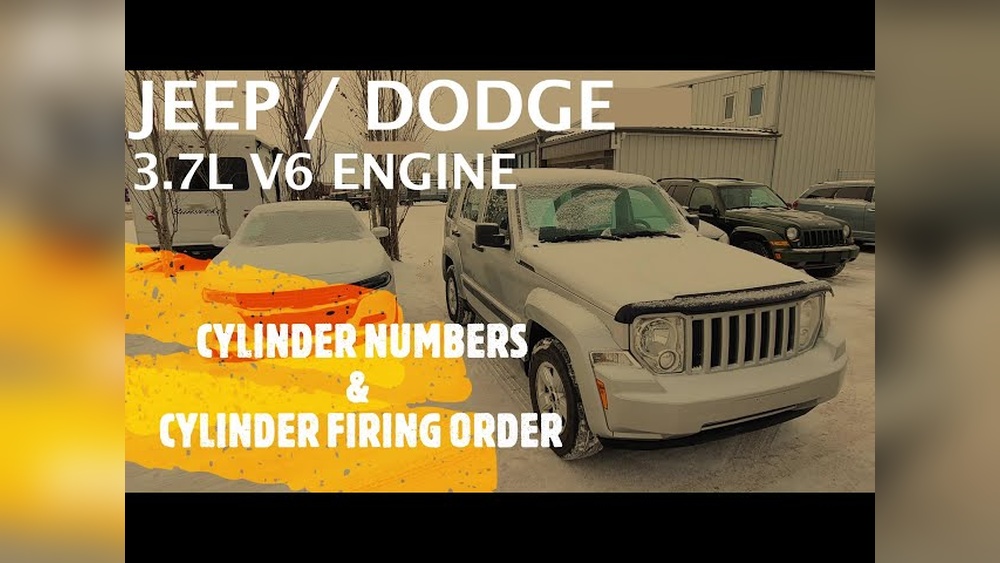
The 2010 Jeep Wrangler uses the 3.8L V6 engine, which has a reputation for both reliability and certain repeated issues. Here’s a closer look at the most frequent engine problems reported by owners.
1. Oil Consumption Issues
Many drivers notice their Wrangler consumes more engine oil than normal. Sometimes, it may use up to one quart every 1,000 miles. This is a higher rate than most modern engines. Excessive oil consumption can cause engine wear and even lead to engine failure if the oil isn’t refilled regularly.
- Symptoms: Low oil level, frequent oil top-ups, blue smoke from the exhaust.
- Causes: Worn piston rings, valve seals, or PCV system issues.
2. Engine Misfires And Rough Idling
Some owners experience engine misfires or a rough idle. The check engine light may come on, and the car may feel shaky at stops.
- Causes: Worn spark plugs, ignition coil issues, or fuel injector problems.
- Impact: Decreased fuel efficiency and possible damage to the catalytic converter if left untreated.
3. Overheating Problems
Another common issue is engine overheating. This can be especially dangerous if you use your Wrangler for off-roading or in hot climates.
- Causes: Failing radiator, stuck thermostat, or coolant leaks.
- Signs: Temperature gauge rising, coolant smell, steam from the hood.
4. Timing Chain Noise
The 3.8L engine sometimes develops timing chain rattle. This sound is usually most noticeable during startup.
- Why it matters: If the timing chain fails, it can cause serious engine damage.
- Solution: Replacing the timing chain tensioner or the entire timing chain assembly.
5. Oil Leaks
Oil leaks are frequent, especially as the engine ages. Gaskets and seals may wear out, causing oil to drip onto the ground or engine parts.
- Common leak points: Valve cover gasket, oil pan gasket, rear main seal.
- Risks: Low oil level, dirty engine, and possible fire hazard.
How Serious Are These Problems?
Some issues, like minor oil leaks or small misfires, can be fixed easily and at low cost. Others, like excessive oil consumption or timing chain problems, might require more expensive repairs or even a full engine rebuild. Here’s a quick comparison of repair costs:
| Problem | Estimated Cost | Difficulty |
|---|---|---|
| Oil Consumption | $1,200–$3,500 | High |
| Misfire | $150–$500 | Medium |
| Overheating | $200–$800 | Medium |
| Timing Chain | $1,000–$2,000 | High |
| Oil Leak | $200–$1,500 | Low–Medium |
Non-obvious insight: Some owners think oil consumption is just “normal” for this engine, but letting it go unchecked leads to more expensive repairs later. Always check your oil level regularly, especially before long trips.

Preventing Engine Problems
Simple habits can help avoid or minimize many of these issues:
- Check oil regularly — every 1,000 miles or once a month.
- Change oil and filter every 3,000–5,000 miles, using high-quality oil.
- Watch the temperature gauge while driving, and stop if you see it rising.
- Listen for new noises, especially rattles or knocks, and get them checked early.
- Fix small leaks quickly before they become major repairs.
Here’s a quick maintenance schedule for the 2010 Jeep Wrangler:
| Maintenance Task | Interval |
|---|---|
| Oil & Filter Change | 3,000–5,000 miles |
| Spark Plug Replacement | 30,000 miles |
| Coolant Flush | 60,000 miles |
| Timing Chain Inspection | 60,000 miles |
Should You Buy A 2010 Jeep Wrangler?
The 2010 Wrangler is loved for its rugged design and off-road performance. However, if you are looking at a used one, you need to check if these engine problems have been fixed. Ask the seller for service records. A pre-purchase inspection by a trusted mechanic is very important.
If the engine has been well maintained and repairs have been made, the Wrangler can still be a fun and reliable vehicle.
Non-obvious insight: Some buyers focus only on the outside look or tires, but the engine history is much more important for long-term costs.
You can find more details and owner experiences at the official NHTSA website.
Frequently Asked Questions
Why Does My 2010 Jeep Wrangler Burn So Much Oil?
The 3.8L engine is known for using more oil due to worn piston rings and valve seals. If you notice constant low oil levels, have a mechanic check for leaks and worn parts.
How Can I Stop My Wrangler From Overheating?
Check the coolant level regularly and inspect the radiator and hoses for leaks. Replace the thermostat if your engine still overheats. Clean the radiator fins to allow good airflow.
Is It Safe To Keep Driving With The Check Engine Light On?
If the check engine light is flashing or you notice rough running, stop and get your car checked immediately. A steady light means there’s an issue, but you may drive short distances to a repair shop.
Are These Engine Problems Unique To The 2010 Model?
Most problems, like oil consumption and timing chain noise, are common in all 2007–2011 Wranglers with the 3.8L engine. However, how well the car was maintained matters a lot.
What’s The Best Way To Avoid Major Engine Repairs?
Regular maintenance is the key: check and change oil, fix leaks quickly, and listen for unusual sounds. Early action can save you from very costly repairs later.
The 2010 Jeep Wrangler has its share of engine problems, but with careful maintenance and attention to warning signs, many owners enjoy years of reliable driving. If you’re looking for adventure and don’t mind a little extra care, this vehicle can still be a smart choice.