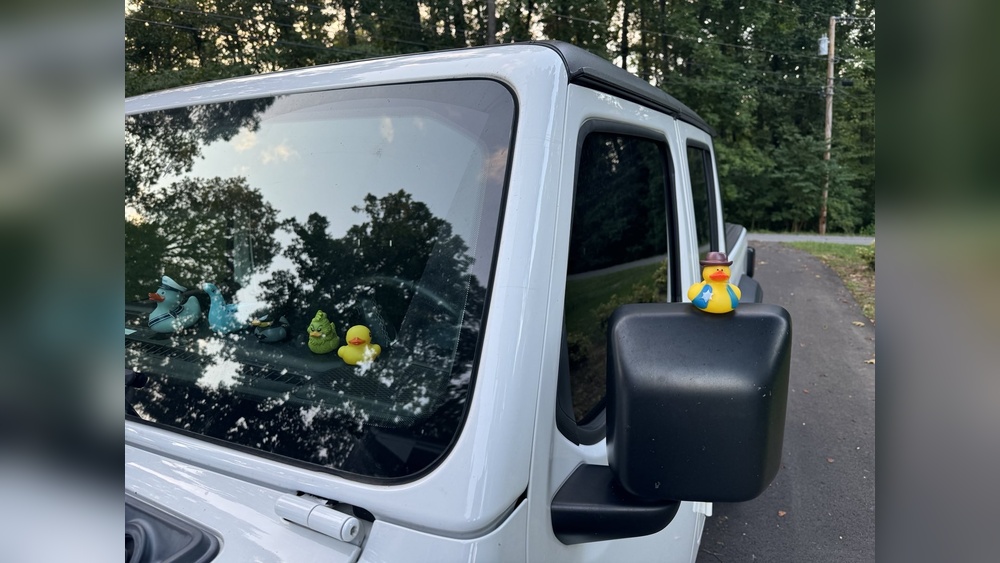
Jeep owners are known for their strong sense of community and unique traditions. One of the most unusual customs is the practice of placing small rubber ducks on other Jeeps. If you’ve ever wondered, “Why do Jeep owners have ducks?
” you’re not alone. This friendly ritual has become a global trend among Jeep lovers. Let’s dive into how it started, why it matters, and what makes it special.
The Origin Of Jeep Ducking
The Jeep ducking trend began in Canada in 2020. A Jeep owner named Allison Parliament placed a rubber duck on another Jeep as a way to spread positivity during the difficult COVID-19 pandemic. She also left a note saying, “Nice Jeep!” This simple act quickly caught on, and owners started “ducking” Jeeps everywhere.
The idea was to make people smile and connect Jeep drivers. Today, Jeep ducking has spread across North America, Europe, Australia, and beyond. Jeep owners now carry packs of ducks and leave them on Jeeps they see, making strangers feel welcome.
Why Do Jeep Owners Have Ducks?
Jeep owners use ducks to show appreciation and build relationships. Here’s why this custom matters:
- Community Spirit: Ducking is a way to recognize fellow Jeep fans. It feels good to receive a duck and know you’re part of a global family.
- Random Acts of Kindness: The surprise of finding a duck makes people smile. It turns an ordinary day into something special.
- Vehicle Pride: Owners often duck Jeeps that look cool, are well-maintained, or have unique features. It’s a compliment from one Jeep lover to another.
- Social Media Sharing: Many share their duck stories and collections online. The hashtag #DuckDuckJeep is popular on Instagram and Facebook.
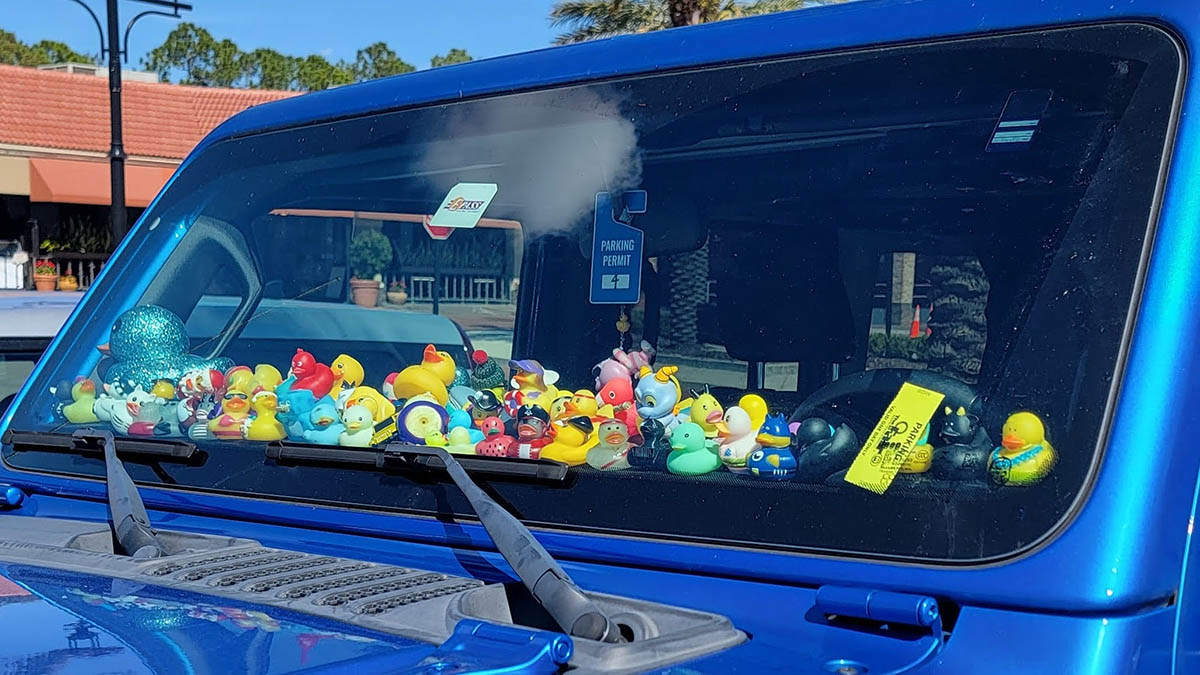
- Collecting Ducks: Some Jeep owners display their duck collections on dashboards or shelves. It becomes a fun hobby and a way to remember positive encounters.

How Jeep Ducking Works
The process is simple. Here’s how you can join the tradition:
- Carry a bag of small rubber ducks in your Jeep.
- Spot another Jeep in a parking lot or at a meetup.
- Place a duck on the door handle, mirror, or windshield wiper.
- Add a note or tag, sometimes with your name or Instagram handle.
- Watch the reaction or connect later through social media.
Most duck exchanges happen between strangers, but sometimes it sparks new friendships.
Jeep Ducking Vs Other Car Traditions
Jeep ducking is unique, but other car brands have their own customs. Here’s how they compare:
| Tradition | Car Brand | Main Purpose |
|---|---|---|
| Ducking | Jeep | Community, Kindness |
| Wave | Jeep | Greeting |
| Badge Sharing | Subaru | Recognition |
| Sticker Trades | Volkswagen | Networking |
Unlike stickers or badges, ducks are playful and easy to share. Jeep ducking is less about competition and more about spreading happiness.
Types Of Ducks And Their Meanings
Rubber ducks come in many colors and styles. Some Jeep owners choose ducks that match their Jeep’s color or theme. Others pick ducks with hats, sunglasses, or superhero costumes.
| Duck Type | Common Meaning | Popularity |
|---|---|---|
| Classic Yellow | Friendly, Traditional | High |
| Animal Print | Fun, Creative | Medium |
| Holiday Ducks | Seasonal, Festive | Medium |
| Superhero Ducks | Unique, Memorable | Low |
Some believe that a rare duck shows extra effort and care. Others simply enjoy any duck as a sign of Jeep friendship.
Jeep ducking has positive effects beyond simple fun. According to a survey by JeepDuckJeep. com, over 75% of Jeep owners say ducking makes them feel more connected to the Jeep community. More than 60% have made new friends through duck exchanges.
Charities and Jeep clubs now use ducking for fundraising or events. For example, some groups sell special ducks to raise money for children’s hospitals.
Even Jeep dealerships have joined in, giving ducks to customers when they buy a new Jeep. This helps keep the tradition alive and growing.

Tips For New Jeep Duckers
If you’re new to Jeep ducking, here’s how to make the experience better:
- Choose ducks that are weatherproof and won’t damage vehicles.
- Always use friendly notes, but keep them short.
- Respect private property—never enter locked areas.
- Share your ducking story on social media to inspire others.
- Don’t worry about getting a duck back. The joy is in giving.
One mistake beginners make is leaving ducks inside the vehicle. Always place them where the owner can see them easily.
What Makes Jeep Ducking Special
Jeep ducking stands out because it’s simple, meaningful, and easy to join. Unlike many car traditions, it doesn’t require expensive gear or exclusive clubs. It’s open to everyone who drives a Jeep, no matter the model or age.
Another insight is that ducking helps break barriers. Jeep owners are often strangers, but a small duck can start a conversation, build trust, and create memories. This tradition proves that kindness can be contagious.
For more details on Jeep culture, you can visit Wikipedia.
Frequently Asked Questions
Why Do Jeep Owners Put Ducks On Each Other’s Cars?
Jeep owners place ducks to show appreciation, build community, and make others smile. It’s a friendly gesture that started during the pandemic and continues as a fun tradition.
Can Any Jeep Owner Join The Ducking Trend?
Yes, any Jeep owner can take part. You don’t need special permission or a club membership. Just carry some ducks and share them with other Jeeps.
Is Jeep Ducking Only Popular In The Us And Canada?
No, Jeep ducking has spread to many countries. Owners in Europe, Australia, and South America now join in. Social media helps the trend grow worldwide.
Do Jeep Owners Keep The Ducks They Receive?
Most owners collect ducks as souvenirs. Some display them inside their Jeeps, while others create collections at home. Each duck tells a story.
Are There Rules For Jeep Ducking?
There are no strict rules, but common guidelines include being respectful, not entering private property, and keeping notes friendly. The goal is to spread positivity.
Jeep ducking is more than just a quirky habit. It’s a symbol of connection, kindness, and pride for Jeep owners everywhere. If you see a duck on your Jeep, you’re part of something bigger—a global community that believes in sharing joy, one duck at a time.