Building a mini jeep is an exciting project that combines creativity, mechanical skills, and a love for vehicles. Many people dream of having a small, working version of the classic Jeep for fun rides or as a learning project with kids. With the right approach, making a mini jeep at home is possible—even if you are not a professional mechanic. Let’s explore what you need, the main steps, and key tips to help you make your own mini jeep.
Why Build A Mini Jeep?
A mini jeep is more than a toy. It helps you learn about engineering, problem-solving, and basic automotive skills. This project can be a weekend activity with family or a solo challenge. Many hobbyists use mini jeeps for off-road fun, parades, or as showpieces. Some models can carry up to 200 lbs and reach speeds of 15-25 mph, making them both practical and entertaining.
Key Materials And Tools Needed
Before starting, gather all the necessary parts and tools. Buying a kit is one option, but building from scratch gives you more control and can save money.
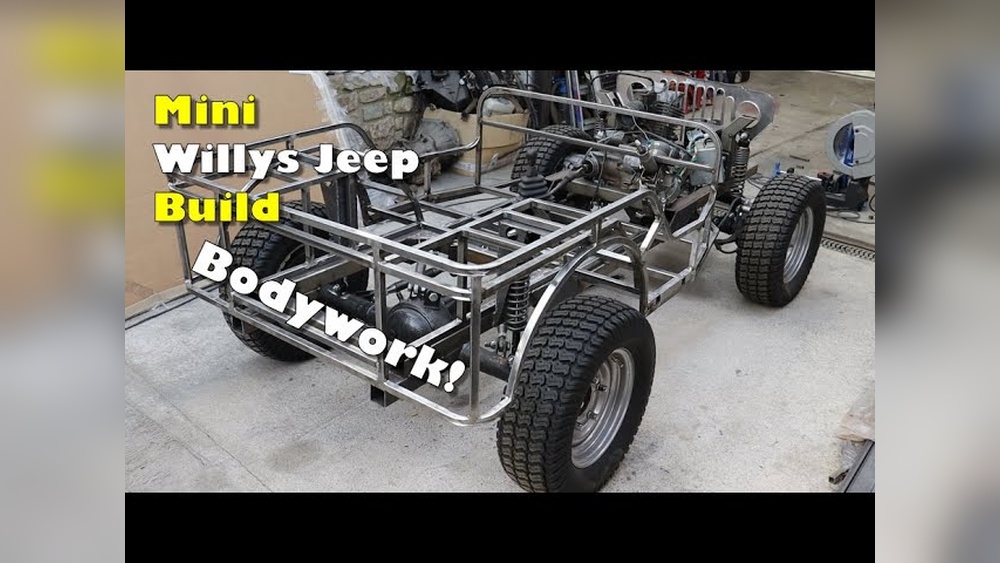
Main Components
- Frame: Steel tubes or square pipes (1-inch thickness is common)
- Engine: Small gas engine (3-7 HP), or a 24V/48V electric motor
- Wheels and Tires: 10-12 inch diameter, off-road type for best grip
- Steering System: Go-kart steering rack, tie rods, and steering wheel
- Brakes: Disk brake kit for safety
- Suspension: Simple coil springs or shocks for rough terrain
- Body: Sheet metal, fiberglass, or even sturdy plastic panels
- Seats: Padded go-kart seats or small car seats
- Battery: (if electric) 24V/48V deep-cycle batteries
Basic Tools
- Welding machine (MIG/TIG)
- Drill with metal bits
- Wrenches and sockets
- Angle grinder
- Screwdrivers
- Measuring tape and marker
A good workspace, like a garage, is also needed to ensure safety and organization.
Planning Your Mini Jeep: Design And Size
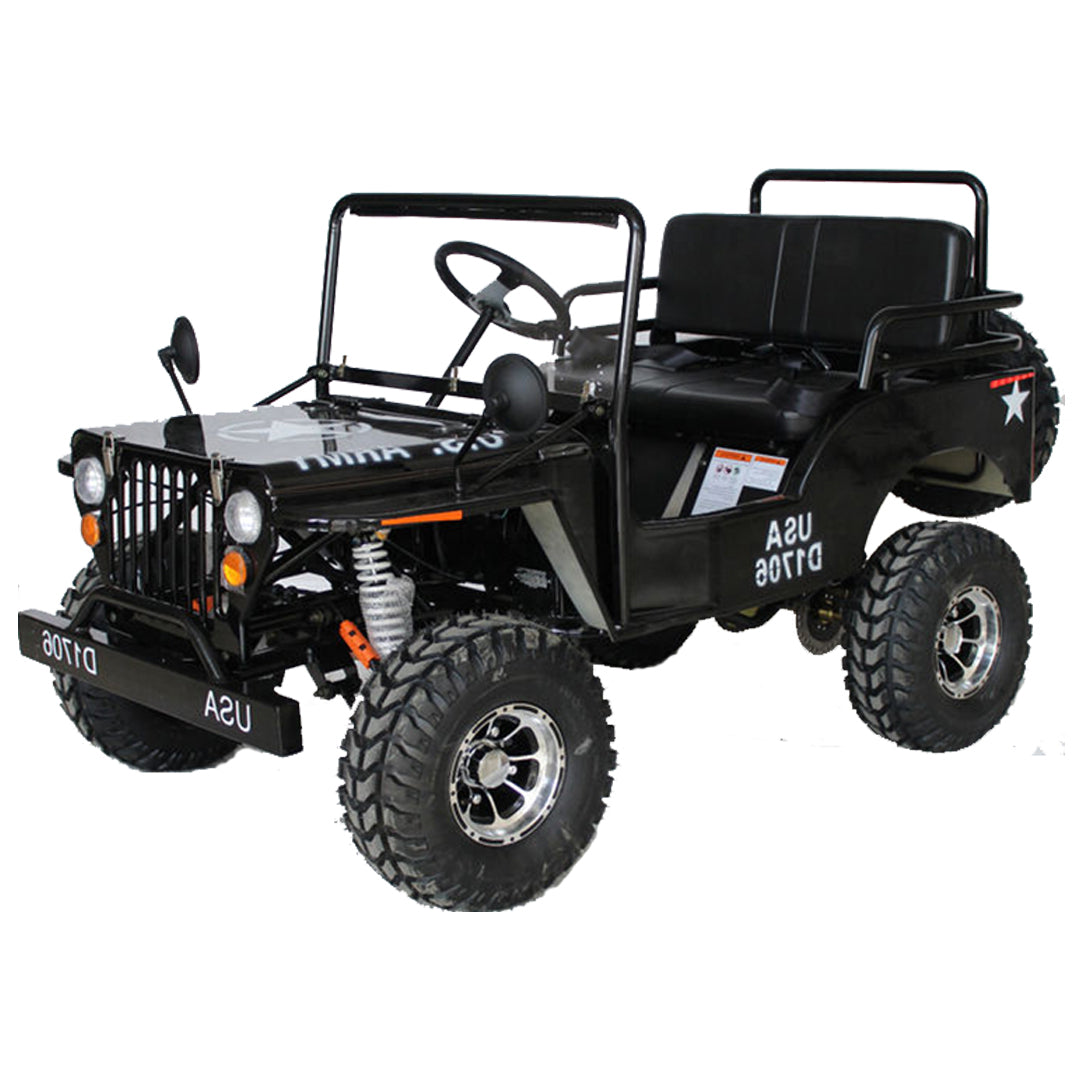
Start by deciding the size and style. Most mini jeeps are about 4-5 feet long and 2-3 feet wide. Sketch your design or use free online plans for reference. Make sure to plan for the seat position, wheelbase, and ground clearance (at least 5 inches for basic off-roading).
Here’s a comparison of common mini jeep sizes:
| Model | Length (ft) | Width (ft) | Max Weight (lbs) |
|---|---|---|---|
| Kid’s Mini Jeep | 4.0 | 2.0 | 120 |
| Adult Mini Jeep | 5.0 | 2.5 | 200 |
| Large Custom | 5.5 | 3.0 | 300 |
Step-by-step Guide To Building A Mini Jeep
1. Build The Frame
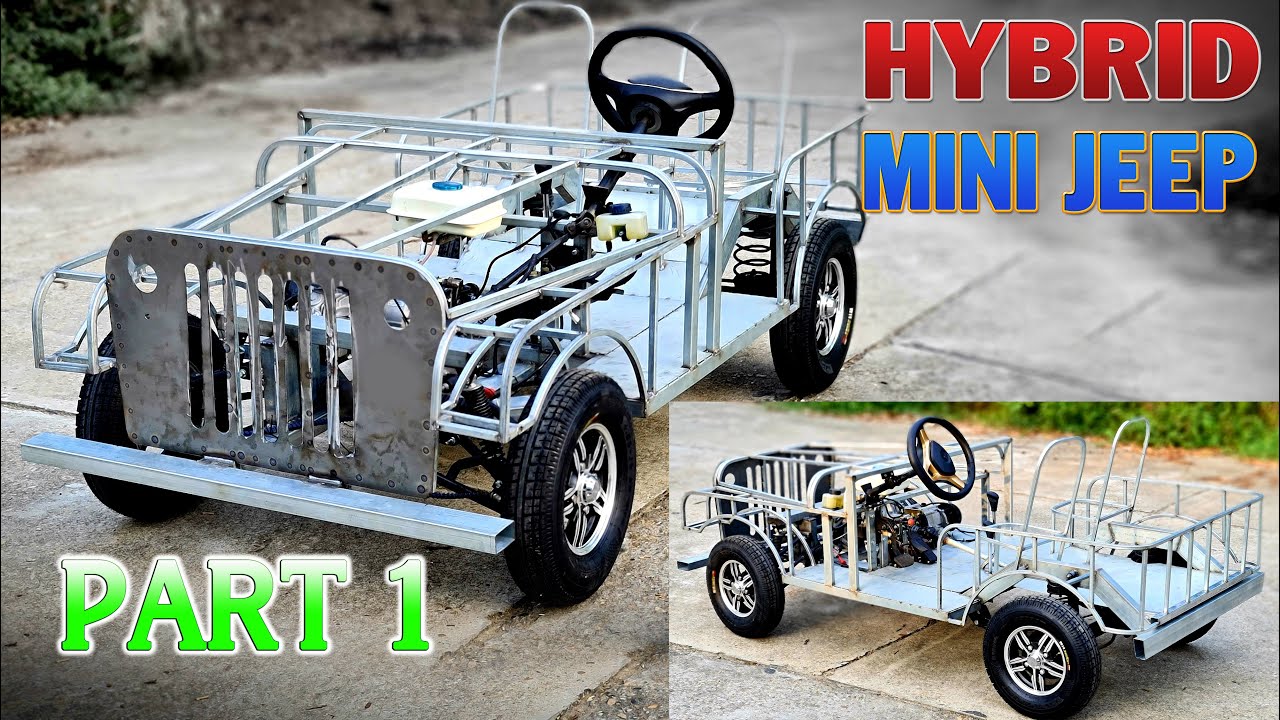
Cut your steel tubes to the planned lengths. Weld them into a rectangular base. Add crossbars for extra strength. Make sure all angles are square for a stable chassis.
2. Attach The Suspension And Axles
Mount the front and rear axles. Attach simple coil springs or shocks. This helps absorb bumps when driving. Make sure the axles turn freely and are tightly secured.
3. Install The Engine Or Motor
Set the engine or electric motor at the rear (or front, based on your design). Align the chain or belt drive with the rear axle. Secure all bolts and check for any loose connections.
4. Steering System Setup
Attach the steering rack to the front axle. Connect tie rods and fix the steering wheel. Test the steering before moving on—smooth movement is key for safety.
5. Brakes And Throttle
Install the brake system on the rear axle (and front, if desired). Connect brake cables to a foot pedal. Set up the throttle—either a hand lever or a foot pedal, depending on your comfort.
6. Fit The Wheels And Tires
Mount the wheels tightly. Check that all nuts are secure. Inflate the tires to the recommended pressure for your chosen terrain.
7. Create The Body And Seats
Shape the body panels using sheet metal or fiberglass. Attach them to the frame with bolts. Install the seat and make sure it is firmly fixed. Add seatbelts for extra safety.
8. Wiring And Finishing Touches
If using an electric system, wire the batteries, motor, and controller. Add lights, horn, and other accessories as needed. Paint your mini jeep for a personalized look.
Common Mistakes And How To Avoid Them
Many beginners overlook some important details:
- Weak frame welds: Always double-check your welds for cracks.
- Poor steering alignment: Take extra time to test and adjust the steering.
- Skipping safety checks: Test brakes and controls before riding.
- Overloading: Stay within the designed weight capacity to avoid damage.
Electric Vs Gasoline Mini Jeep: Which Is Better?
Choosing between electric and gasoline power depends on your needs. Here is a simple comparison:
| Feature | Electric Mini Jeep | Gasoline Mini Jeep |
|---|---|---|
| Noise Level | Very quiet | Louder |
| Maintenance | Low | Medium/High |
| Range | 15-30 miles per charge | Up to 50 miles per tank |
| Cost | Moderate/High | Lower for used engines |
For most beginners, electric is easier to work with, but gasoline offers more power and longer range.
Safety Tips For Mini Jeep Builders
- Wear safety glasses and gloves while working.
- Keep a fire extinguisher nearby, especially when welding.
- Test your mini jeep in an open, safe area before using it on rough terrain.
- Always supervise children when they drive or ride.
Where To Find Plans And Parts
There are many forums, YouTube channels, and hobbyist sites dedicated to mini jeeps. For more technical details, you can check resources like Wikipedia’s go-kart page, which covers chassis and engine basics that also apply to mini jeeps.

Frequently Asked Questions
How Much Does It Cost To Build A Mini Jeep?
Costs range from $400 to $2,000 depending on whether you use new or used parts, and if you build from scratch or buy a kit.
How Long Does It Take To Build A Mini Jeep?
If you work on weekends, expect 2–4 weeks for a basic model. More complex builds or custom designs may take longer.
Do I Need Welding Experience?
Basic welding skills are helpful. You can learn from online tutorials or ask for help from someone experienced.
Can Kids Ride In A Homemade Mini Jeep?
Yes, but always supervise. Make sure the mini jeep has seatbelts, a low speed, and is used in a safe area.
What’s The Top Speed Of A Mini Jeep?
Most mini jeeps reach 10–25 mph, but you can limit speed for safety, especially for children.
Building a mini jeep is a rewarding challenge that teaches useful skills and results in a fun, personal vehicle. With careful planning, patience, and attention to detail, anyone can make a mini jeep that brings joy for years to come.