Driving a Jeep stick shift can feel intimidating at first, but it’s a skill that unlocks a new level of control and adventure. Many Jeep models, especially older ones, use manual transmissions. Learning how to drive them is not just about shifting gears; it’s about understanding the rhythm between the engine, clutch, and your own coordination. If you want to explore off-road trails or simply enjoy a more engaging drive, mastering a stick shift is essential.
Understanding The Jeep Stick Shift
A Jeep stick shift is a manual transmission system. Unlike automatic cars, you have to manually change gears using a gear lever and control the clutch with your left foot. Most Jeep stick shifts have 5 or 6 gears, plus reverse.
Here’s a quick overview of a typical Jeep stick shift layout:
| Gear | Position | Common Use |
|---|---|---|
| 1st | Top-left | Starting, low speed |
| 2nd | Bottom-left | Slow acceleration |
| 3rd | Top-middle | City driving |
| 4th | Bottom-middle | Moderate speed |
| 5th | Top-right | Highway |
| Reverse | Bottom-right | Backing up |
Unlike automatics, the manual Jeep gives you direct control over engine power and torque. This is especially useful when off-roading, towing, or descending steep hills.
Step-by-step: How To Drive A Jeep Stick Shift
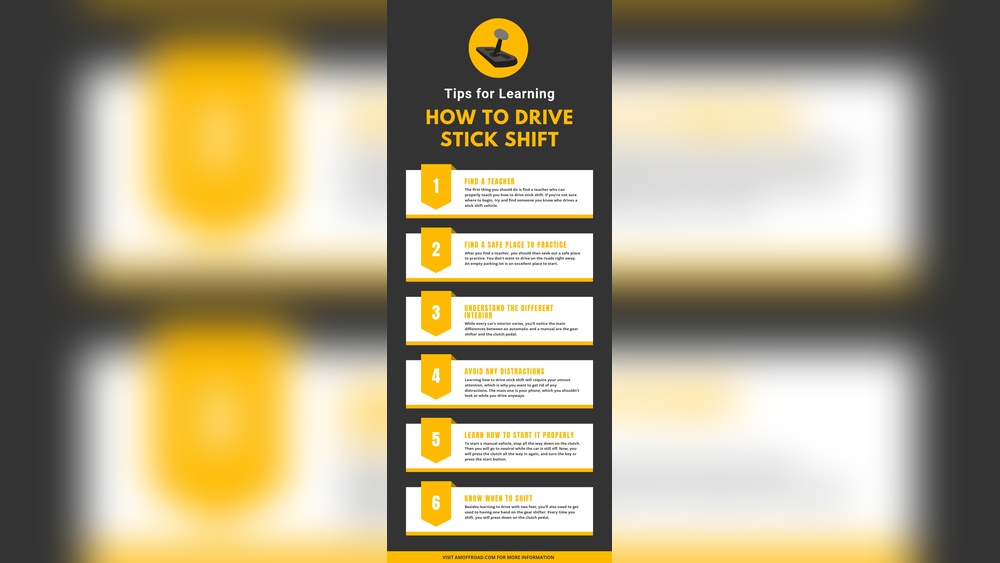
Learning to drive a stick shift Jeep is all about practice. Follow these steps to get started:
- Get Familiar with Pedals and Gear Stick
- There are three pedals: Clutch (left), brake (middle), and accelerator (right).
- The gear stick is usually in the center console.
- Start the Jeep
- Press the clutch pedal fully.
- Make sure the gear stick is in neutral.
- Turn the key to start the engine.
- Engage First Gear
- With the clutch pressed, move the gear stick to first gear.
- Keep your foot on the brake if on a slope.
- Begin Moving
- Slowly lift your foot off the clutch while gently pressing the accelerator.
- When you feel the Jeep begin to move, release the clutch fully.
- Shifting Up
- To shift to higher gears, release the accelerator, press the clutch, move the gear stick to the next gear, and then release the clutch while pressing the accelerator.
- Stopping
- Press the clutch and brake at the same time.
- Move the gear stick to neutral before releasing the clutch.
- Reverse
- Make sure the Jeep is stopped.
- Press the clutch, move the gear stick to reverse, and slowly release the clutch while pressing the accelerator.

Key Tips For Smooth Driving
Driving a stick shift Jeep isn’t just about following steps. Here are practical tips for a smoother experience:
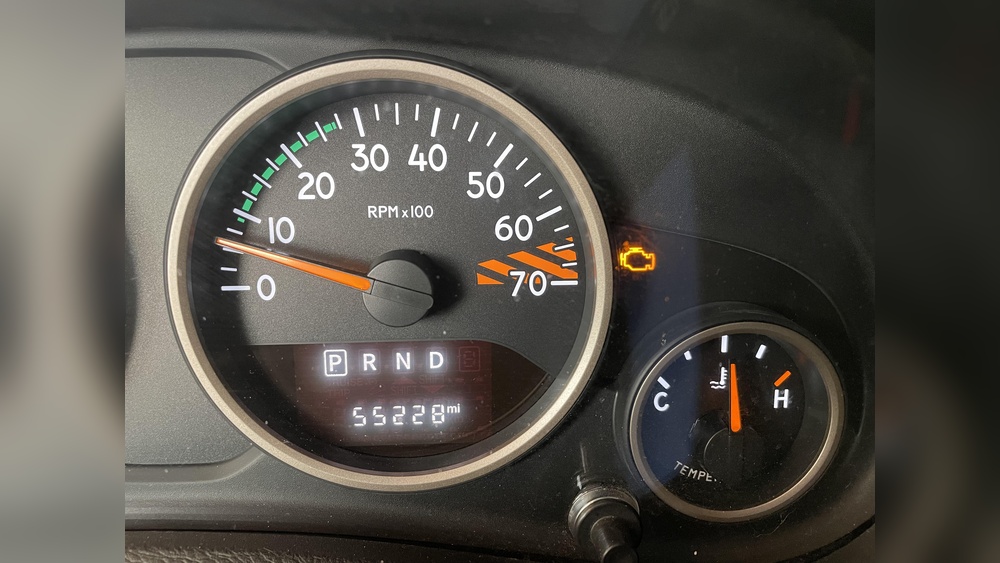
- Listen to the engine: Most Jeeps shift best between 2,500–3,000 rpm. If the engine sounds strained, shift up.
- Avoid “riding” the clutch: Keep your foot off the clutch pedal except when shifting. This prevents wear.
- Practice on flat ground before trying hills. Hills require more clutch control.
- Use the parking brake when stopped on slopes. This stops rolling backward.
- Don’t skip gears while learning. Move through each gear in order.
| Tip | Why It Matters |
|---|---|
| Release clutch smoothly | Prevents stalling and jerky starts |
| Shift at proper RPM | Protects engine and improves fuel economy |
| Use parking brake on hills | Stops rolling and makes hill starts easier |
Common Mistakes Beginners Make
Even experienced drivers make mistakes when switching to a stick shift Jeep. Watch out for these:
- Stalling: Happens when you release the clutch too fast or don’t give enough gas.
- Grinding gears: If you don’t press the clutch fully, the gears can grind. Always press the clutch all the way.
- Starting in the wrong gear: Always start in first gear; higher gears will stall the engine.
- Forgetting the parking brake: On hills, skipping the brake can cause the Jeep to roll backward.
- Over-revving: Shifting too late can damage the engine. Use the tachometer to guide you.

Real-world Examples And Data
Jeep Wranglers with manual transmissions are popular for off-roading. According to Jeep, about 10–15% of Wranglers sold in the US have manual gearboxes. Many drivers prefer manuals for better control in tough terrain.
Manual Jeeps also tend to last longer if you treat the clutch properly. Clutch replacements can cost $900–$1,200 in the US, so proper technique saves money.
Here’s a quick comparison of automatic vs stick shift Jeep features:
| Feature | Manual Jeep | Automatic Jeep |
|---|---|---|
| Driver control | High | Medium |
| Fuel economy | Better | Good |
| Maintenance cost | Lower | Higher |
| Off-road performance | Excellent | Good |
Extra Insights Most Beginners Miss
- Shift pattern varies: Not all Jeeps have the same gear layout. Check your owner’s manual for the exact pattern.
- 4WD gear lever: Many Jeeps have a separate lever for 4-wheel drive. Learn its function, but don’t confuse it with the main gear stick.

Frequently Asked Questions
What Happens If I Stall My Jeep?
When you stall, the engine stops running because the clutch was released too quickly or you didn’t give enough gas. Just press the clutch, turn the key to restart, and try again.
How Do I Start On A Hill Without Rolling Back?
Use the parking brake. Hold the brake, release the clutch until you feel the Jeep move, then release the parking brake and press the accelerator.
Can I Skip Gears While Shifting?
It’s possible, but beginners should shift through every gear. Skipping gears can cause jerky movement and damage the transmission.
How Do I Know When To Shift Up Or Down?
Listen to the engine sound and watch the tachometer. Shift up around 2,500–3,000 rpm. Downshift when the engine struggles or you slow down.
Are Manual Jeeps Better For Off-roading?
Yes, because manual transmission gives more control over torque and speed. This helps on steep climbs and rough terrain. For more details, check Jeep Wrangler Wikipedia.
Learning how to drive a Jeep stick shift takes patience and practice, but it’s a rewarding skill. Once you master the basics, you’ll feel more connected to your vehicle and confident both on and off the road.