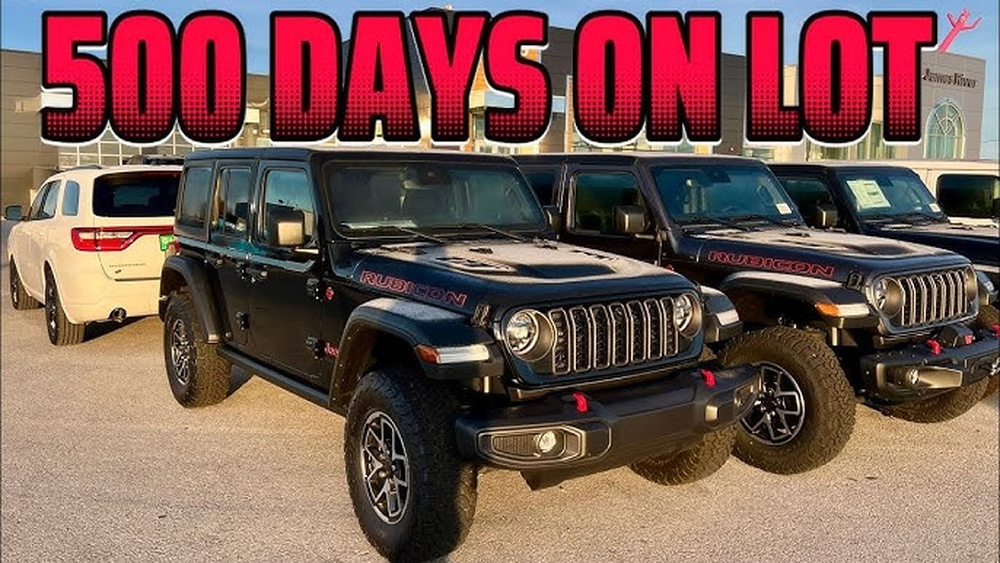
Buying a used Jeep can be an exciting step, whether you’re looking for weekend adventures or a daily driver with a rugged edge. But the process can also feel overwhelming, especially with so many models, years, and options on the market.
Making a smart choice means understanding what really matters for your needs—and how to avoid costly mistakes. This guide will walk you through the essentials so you can find the right Jeep for your lifestyle and budget.
Why Buy A Used Jeep?
Jeep vehicles are known for durability, off-road capability, and a strong resale value. Buying used often means you get more features for your money and avoid the steepest part of new-car depreciation. Popular models like the Jeep Wrangler and Grand Cherokee hold their value well, and there’s a large community for advice and support.
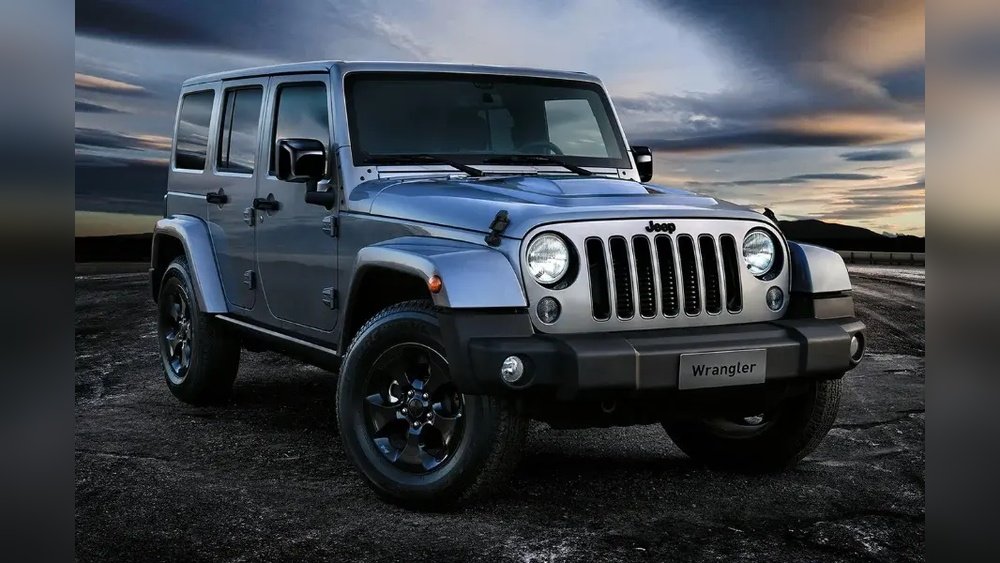
However, not all Jeeps are equal. Some models and years are more reliable than others, and heavy off-road use can mean more wear and tear. Understanding these differences is key to getting the best value.
Choosing The Right Jeep Model
Jeeps come in different shapes and sizes, each with strengths and weaknesses. Here’s a quick comparison of the most popular used Jeep models:
| Model | Best For | Common Issues |
|---|---|---|
| Wrangler | Off-roading, adventure | Rust, leaks, suspension wear |
| Grand Cherokee | Family, comfort, towing | Transmission, electrical |
| Cherokee | Daily driving, light off-road | Engine, transmission |
| Compass/Patriot | Budget, compact SUV | CVT issues, interior quality |
Jeep Wranglers are very popular but can be noisy and less comfortable on highways. Grand Cherokees are smoother and more luxurious, but tend to have more electronic features that can fail with age. For buyers on a budget, the Compass or Patriot can offer Jeep style at a lower price.

What To Check Before You Buy
A used Jeep’s condition depends on how it was driven and maintained. Here are the most important checks:
- Undercarriage and Frame: Look for rust, dents, or signs of heavy off-road use.
- Suspension and Steering: Test for strange noises, vibrations, or loose steering.
- Leaks: Check for oil, transmission fluid, or coolant leaks under the vehicle.
- Transmission: Automatic Jeeps, especially older Grand Cherokees, can have expensive problems.
- 4WD System: Make sure all-wheel-drive or 4×4 engages and works smoothly.
- Electronics: Test windows, locks, lights, and infotainment systems.
- Service History: A well-documented maintenance record adds peace of mind.
One insight many beginners miss: modifications can be a red flag. Lift kits, oversized tires, and aftermarket parts may look good but could hide suspension or driveline problems. Unless you’re experienced, choose a Jeep with mostly factory parts.
Comparing Used Jeep Prices
Prices for used Jeeps vary by model year, condition, and mileage. Here’s an example of typical price ranges in the US market (as of early 2024):
| Model/Year | Average Price (USD) | Mileage Range |
|---|---|---|
| Wrangler 2015 | $18,000 – $28,000 | 60,000 – 100,000 |
| Grand Cherokee 2017 | $20,000 – $32,000 | 50,000 – 90,000 |
| Cherokee 2018 | $15,000 – $25,000 | 40,000 – 80,000 |
| Compass 2019 | $14,000 – $22,000 | 30,000 – 70,000 |
Prices may be higher for well-kept or low-mileage vehicles. Always compare similar Jeeps in your area using trusted car marketplaces.
Steps To Buy A Used Jeep
Follow these steps for a smoother, safer buying process:
- Set Your Budget: Include registration, tax, and possible repairs.
- Research Models: Use forums and reviews to learn about years to avoid.
- Search Locally: Look on sites like Autotrader, Craigslist, or local dealers.
- Inspect in Person: Never buy sight-unseen. Take your time to look over the Jeep carefully.
- Test Drive: Check acceleration, braking, shifting, and 4×4 system.
- Get a Mechanic’s Inspection: A professional check can reveal hidden problems.
- Check Vehicle History: Use the VIN to check accident and title history.
- Negotiate: Be ready to walk away if the price is too high or condition is poor.
- Complete Paperwork: Make sure the title is clear and all paperwork is signed.
A common mistake: rushing the inspection. Spend at least 30–45 minutes, and bring a flashlight to check underneath. If you’re not confident, pay a mechanic for a pre-purchase inspection—it’s worth the peace of mind.
Owning a used Jeep can come with extra costs. Factor these in:
- Fuel economy: Jeeps are often less efficient than other SUVs.
- Insurance: Wranglers and modified Jeeps can cost more to insure.
- Maintenance: Older Jeeps may need more frequent repairs.
- Parts cost: Genuine Jeep parts can be expensive, especially for 4×4 systems.
Some buyers don’t realize that tire replacement on off-road models can be much more expensive than regular SUVs. Ask about tire size and cost before buying.
To keep your Jeep running smoothly:
- Stick to regular oil changes and fluid checks.
- Wash the undercarriage after off-road trips.
- Fix small problems early to avoid bigger bills later.
Frequently Asked Questions
How Many Miles Is Too Much For A Used Jeep?
Most Jeeps can last over 150,000 miles with good care. Still, over 120,000 miles means you should check for signs of major repairs, like transmission or engine work. Service records are more important than just the odometer.
Are Jeeps Expensive To Maintain?
Compared to other SUVs, Jeeps can cost more for repairs and maintenance, especially for Wranglers and older models. Regular service helps prevent big expenses. Always budget extra for unexpected repairs.
Is It Safe To Buy A Jeep With Modifications?
Modifications can be fun, but they also add risk. Unless you know exactly what was changed and how well it was done, stock Jeeps are usually safer for beginners. Some mods can void warranties or cause insurance issues.
What Years Should I Avoid When Buying A Used Jeep?
Some model years are known for problems. For example, the 2014 Cherokee had transmission issues, and certain Wranglers from 2012–2013 had engine concerns. Research specific years before you buy. The Jeep Wikipedia page has helpful details.
Can I Use A Jeep As My Daily Driver?
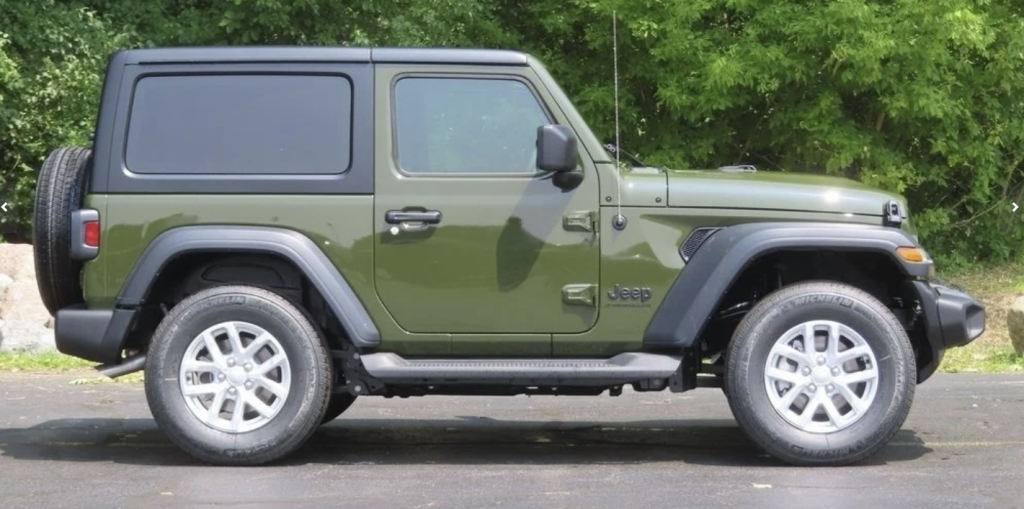
Yes, many people use Jeeps every day. Just know that Wranglers can be noisy and less comfortable than regular SUVs on highways. Models like the Grand Cherokee or newer Cherokee are better for daily driving comfort.
Buying a used Jeep can be a smart way to enjoy adventure and freedom—if you choose carefully. Take your time, do your research, and don’t be afraid to ask questions. A little patience now can help you enjoy your Jeep for years to come.