Jacking up a Jeep is a basic skill for any owner, whether you’re fixing a flat tire or inspecting the undercarriage. But many beginners worry about safety or damaging their vehicle. If you know the right steps and use the correct tools, lifting your Jeep becomes simple and safe.
This guide will walk you through everything you need, from choosing the best jack to common mistakes to avoid. By the end, you’ll feel confident jacking up your Jeep anywhere—from the garage to the trail.
Essential Tools And Equipment
Before you start, gather the necessary gear. Using the wrong equipment can lead to accidents or vehicle damage. Here’s what you need:

- Jack: For most Jeeps, a hydraulic floor jack is best. For off-roading, a Hi-Lift jack is popular.
- Jack stands: Never rely on the jack alone. Jack stands keep your Jeep secure while you work.
- Wheel chocks: Prevent your Jeep from rolling, especially on slopes.
- Lug wrench: Needed if you’re changing a tire.
- Gloves and safety glasses: Basic safety.
The table below compares common types of jacks used for Jeeps:
| Jack Type | Load Capacity | Best Use | Price Range |
|---|---|---|---|
| Hydraulic Floor Jack | 2-3 tons | Garage, flat surfaces | $50-$120 |
| Hi-Lift Jack | Up to 4.7 tons | Off-road, uneven ground | $80-$150 |
| Bottle Jack | 2-12 tons | Compact, heavy-duty | $25-$70 |
A floor jack is ideal for most situations, while a Hi-Lift is useful for taller Jeeps or off-road emergencies.
Safe Preparation Steps
Safety is critical when jacking up any vehicle. Most accidents happen because people skip basic steps or use the wrong spot to lift.
- Park on level ground: Always choose a flat surface to avoid the Jeep rolling or tipping.
- Engage the parking brake: This locks the wheels and keeps your Jeep steady.
- Place wheel chocks: Put them behind the tires that will stay on the ground.
- Inspect your jack and stands: Check for cracks or leaks before use.
Many beginners miss the importance of wheel chocks. Even a slight slope can cause the Jeep to move unexpectedly. For extra safety, some experts recommend using two chocks per wheel.
Finding The Correct Jack Points
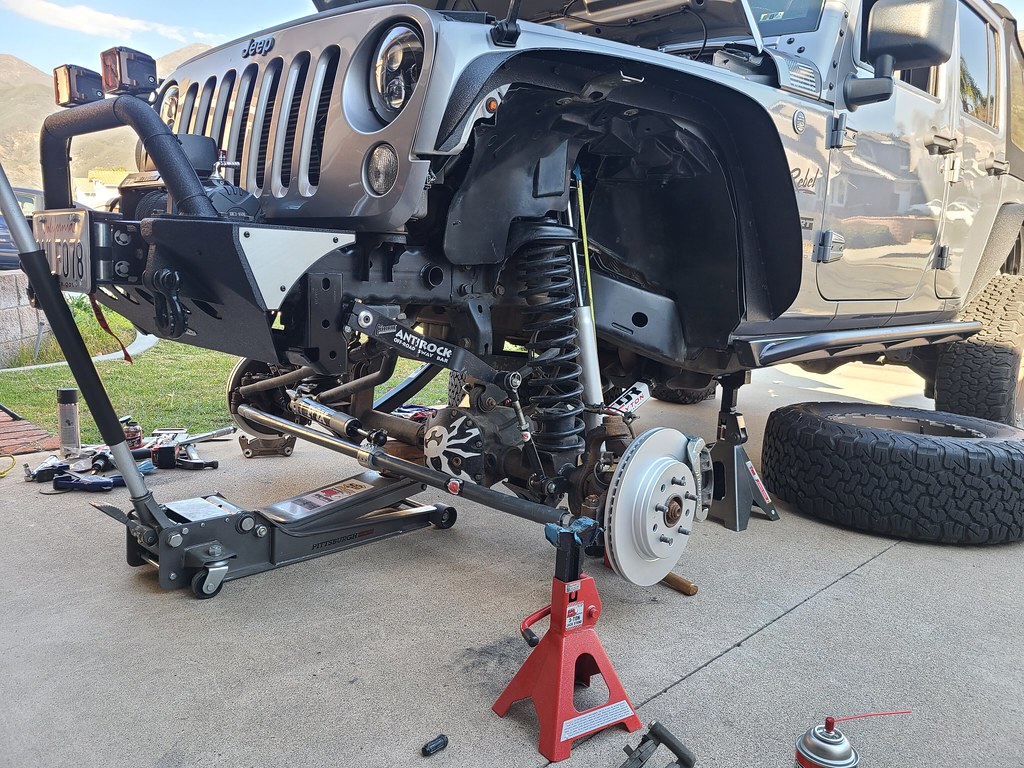
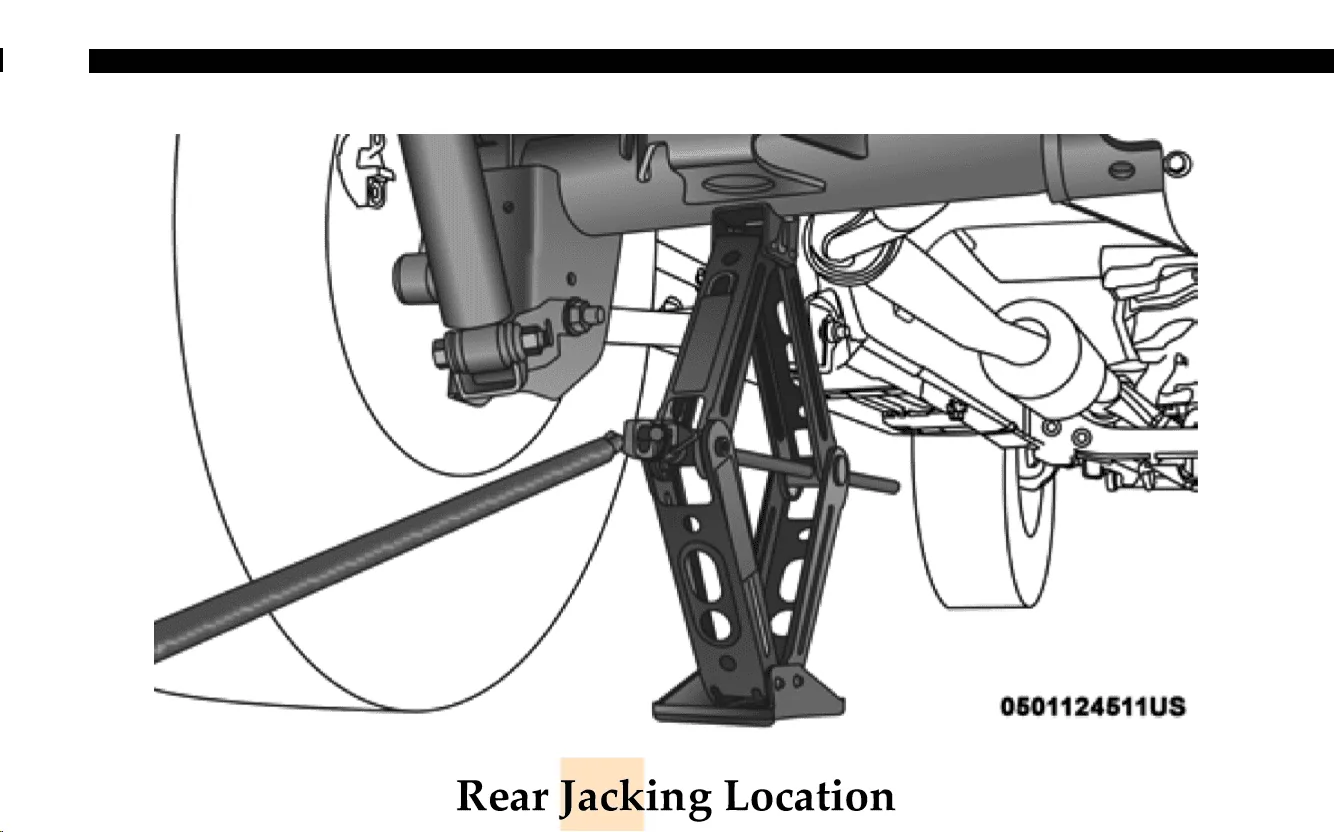
Jeeps have specific spots designed for jacking. Lifting from the wrong area can bend your frame or damage suspension parts. Locate the factory jack points—usually found on the frame rails near the wheels.
Most Jeep manuals include a diagram. If you’re unsure, look for reinforced steel areas under the vehicle. Avoid placing the jack under the axle unless your manual allows it.
Here’s a quick comparison of common jacking points:
| Jack Point | Location | Safe for? | Risk Level |
|---|---|---|---|
| Frame Rail | Near front/rear wheels | All models | Low |
| Axle Tube | Center of axle | Wrangler, Gladiator | Medium |
| Body Pinch Weld | Side under the doors | Some models | High |
Always check your Jeep’s manual for the safest jacking points.
Step-by-step Jacking Process
Follow these steps for a safe and effective lift:
- Position the jack: Slide it under the correct jack point.
- Raise the Jeep slowly: Pump the handle until the tire is off the ground.
- Place jack stands: Once lifted, position stands under the frame for extra safety.
- Lower onto stands: Gently lower the Jeep onto the stands. Never work under a vehicle supported only by a jack.
- Check stability: Shake the Jeep lightly to ensure it’s secure.
If you’re changing a tire, only lift until the tire clears the ground. For undercarriage work, lift high enough for comfortable access. Most Jeeps require about 6-8 inches of lift for tire changes.
A common mistake is not using jack stands. Even high-quality jacks can fail suddenly. Jack stands reduce risk and are inexpensive—typically under $40 for a set.
Tips For Off-road Jacking
Off-roading brings unique challenges. The ground is often uneven, so extra caution is needed.
- Use a Hi-Lift jack for lifted Jeeps and rough terrain.
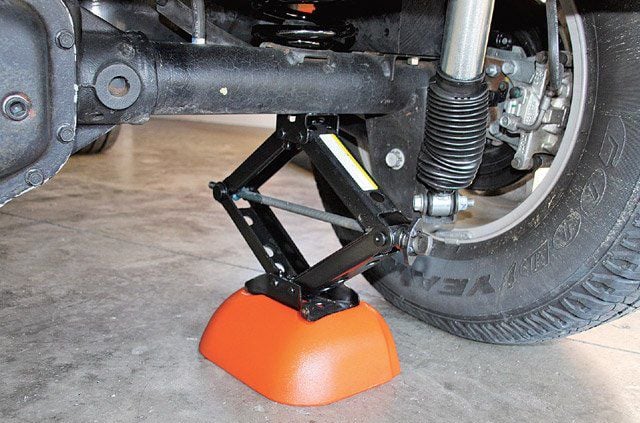
- Carry a jack base or large wooden board to stabilize the jack on sand or mud.
- Avoid lifting on rocks or soft soil; choose the hardest surface nearby.
- If possible, use a buddy to spot for you.
Many off-roaders skip the jack base, but this is a mistake. Without it, your jack can sink, making lifting dangerous.
Real-world Example: Changing A Jeep Tire
Imagine you’re on a highway and get a flat tire. Here’s how you’d jack up your Jeep:
- Pull over to a flat, safe spot.
- Set parking brake and place wheel chocks.
- Locate the frame rail nearest the flat tire.
- Position the floor jack and raise the Jeep.
- Place jack stands under the frame.
- Remove the tire with a lug wrench.
- Replace with the spare, then lower the Jeep.
This process takes about 15 minutes with the right tools. Inexperienced users can take longer, especially if they miss steps like wheel chocking.
Common Mistakes And How To Avoid Them
Some errors are easy to avoid if you know what to watch for:
- Jacking from the wrong spot: Can bend your Jeep’s frame.
- Not using jack stands: Puts you at risk if the jack fails.
- Forgetting wheel chocks: Your Jeep could roll, even with the brake on.
- Lifting too high: Makes your Jeep unstable; only lift as much as needed.
An overlooked tip: Always check tire pressure before lowering your Jeep. If your spare is under-inflated, it can cause problems on the road.
Frequently Asked Questions
How High Should I Jack Up My Jeep?
Lift your Jeep just enough to clear the tire or access the part you need. For tire changes, 6-8 inches is usually enough.
Can I Use A Hi-lift Jack On Any Jeep?
A Hi-Lift jack works best for Jeeps with lifted suspensions and off-road bumpers. It’s less stable on flat surfaces, so use a floor jack in your garage.
Is It Safe To Jack Up A Jeep On Uneven Ground?
It’s risky. Use a jack base or board to stabilize the jack. Always check for the hardest surface nearby.
Where Do I Place The Jack Stands?
Position jack stands under the frame rails, close to the jack point. Make sure they’re firmly seated before lowering your Jeep.
What Should I Do If My Jack Fails While The Jeep Is Lifted?
Stay calm. Don’t crawl under the Jeep. If possible, use a second jack to lift the vehicle and reposition the stands.
Jacking up your Jeep is simple with the right knowledge. Always use proper equipment, check your manual, and follow safety steps. These habits will keep you safe, whether you’re at home or out on the trail. If you want more technical advice, visit Jeep’s official site for detailed manuals and support.