Lowering a Jeep Cherokee is a popular project for people who want better street performance, improved handling, or a unique look. While Cherokees are known for their off-road abilities, many owners enjoy customizing their ride for city driving or car shows. This guide explains the process step by step, covers common mistakes, and compares methods so you can make confident decisions. Whether you own a classic XJ or a newer model, lowering your Cherokee can transform its appearance and driving feel.
Why Lower A Jeep Cherokee?
Lowering a Jeep Cherokee offers several benefits:
- Improved handling: Lowered suspension reduces body roll and gives more control during cornering.
- Better aesthetics: Many people prefer the sleek, sporty look of a lowered SUV.
- Enhanced performance: Lowering can help with acceleration and braking, especially on paved roads.
However, there are drawbacks too. You may lose some ground clearance, making off-road driving more challenging. The ride may also become firmer. Make sure you know your priorities before starting.

Main Ways To Lower A Jeep Cherokee
There are three main techniques:
- Lowering springs: Replace the stock springs with shorter, firmer ones.
- Coilover kits: Install adjustable coilovers for precise ride height control.
- Drop spindles: Change the spindles to lower the vehicle without affecting suspension travel.
Each method has its pros and cons. Here’s a quick comparison:
| Method | Cost | Difficulty | Adjustability | Ride Quality |
|---|---|---|---|---|
| Lowering Springs | $150–$300 | Medium | Low | Moderate |
| Coilover Kits | $700–$1200 | High | High | Good |
| Drop Spindles | $250–$500 | Medium | None | Stock-like |
Step-by-step: Lowering With Springs
This is the most common approach. Here’s how to do it:
- Choose quality springs: Look for brands designed for your Cherokee’s year and model.
- Gather tools: You’ll need jack stands, socket wrenches, spring compressors, and safety gear.
- Lift your Jeep: Use a jack to raise the vehicle and secure it with stands.
- Remove wheels: Take off the tires for easier access.
- Compress and remove stock springs: Use a spring compressor to safely remove the original springs.
- Install lowering springs: Fit the new springs, making sure they’re seated properly.
- Reinstall wheels: Attach the tires and tighten all bolts.
- Lower the vehicle: Remove the jack stands and set the Jeep on the ground.
- Check alignment: Lowering often changes wheel alignment. Get a professional adjustment to prevent uneven tire wear.
Here’s a data table showing the typical drop from popular spring brands:
| Brand | Drop (Front) | Drop (Rear) | Warranty |
|---|---|---|---|
| Eibach | 1.5 in | 1.5 in | 5 years |
| H&R | 2.0 in | 1.8 in | Limited Lifetime |
| Moog | 1.0 in | 1.0 in | 1 year |
Coilover Kits: More Control, Higher Cost
Coilovers are adjustable and allow you to fine-tune ride height, stiffness, and even damping. They are ideal for serious enthusiasts and those wanting to switch between street and track setups.
Installation steps:
- Remove existing shocks and springs
- Install coilover assemblies according to the kit instructions
- Adjust ride height and preload
- Test drive and adjust as needed
Coilover kits can be expensive, but they offer the best performance and flexibility.
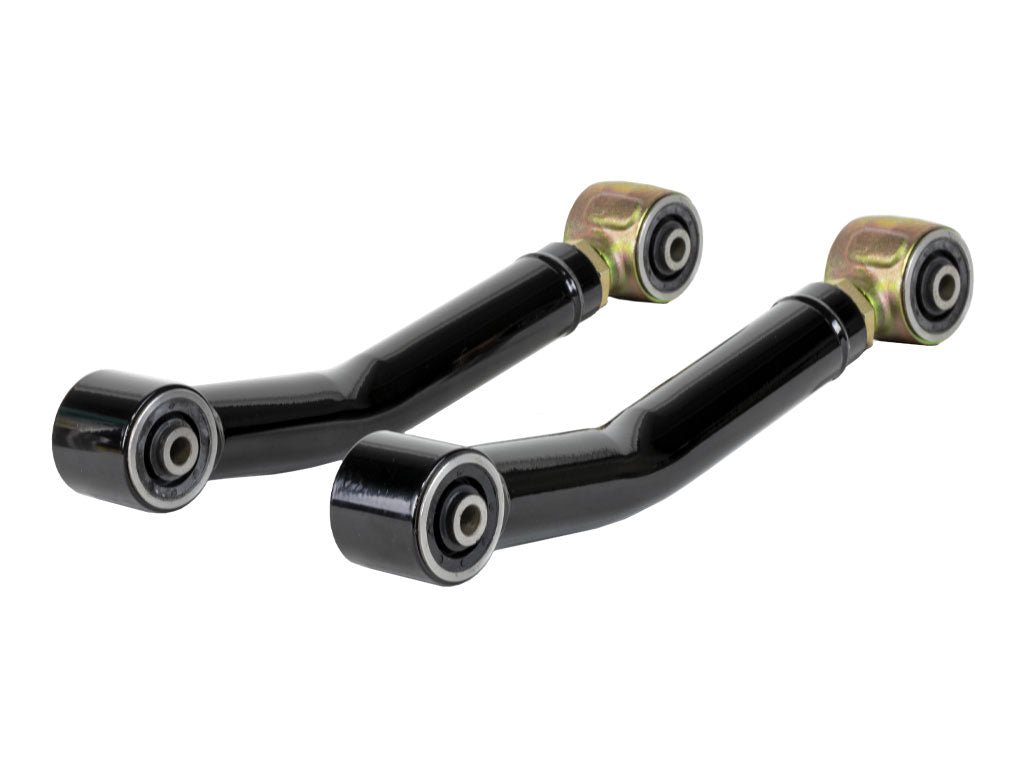
Drop Spindles: Less Common, Still Effective
Drop spindles change the mounting point of your wheels, lowering the Cherokee without affecting the spring’s compression. This method keeps the factory ride quality but isn’t widely available for all Cherokee models.
Other Tips For A Safe Lowering Job
- Check brake lines: Lowering may stretch or pinch brake hoses. Replace them with longer, flexible lines if needed.
- Upgrade shocks: Stock shocks may not work well with lower springs. Choose performance shocks for better control.
- Watch for tire rubbing: Lowering changes suspension travel. Make sure tires don’t hit the wheel wells.
- Go slow with adjustments: Drop your Jeep in stages if possible, to avoid surprises.
Many beginners forget about alignment and shock compatibility. These are critical for safe handling and tire life.
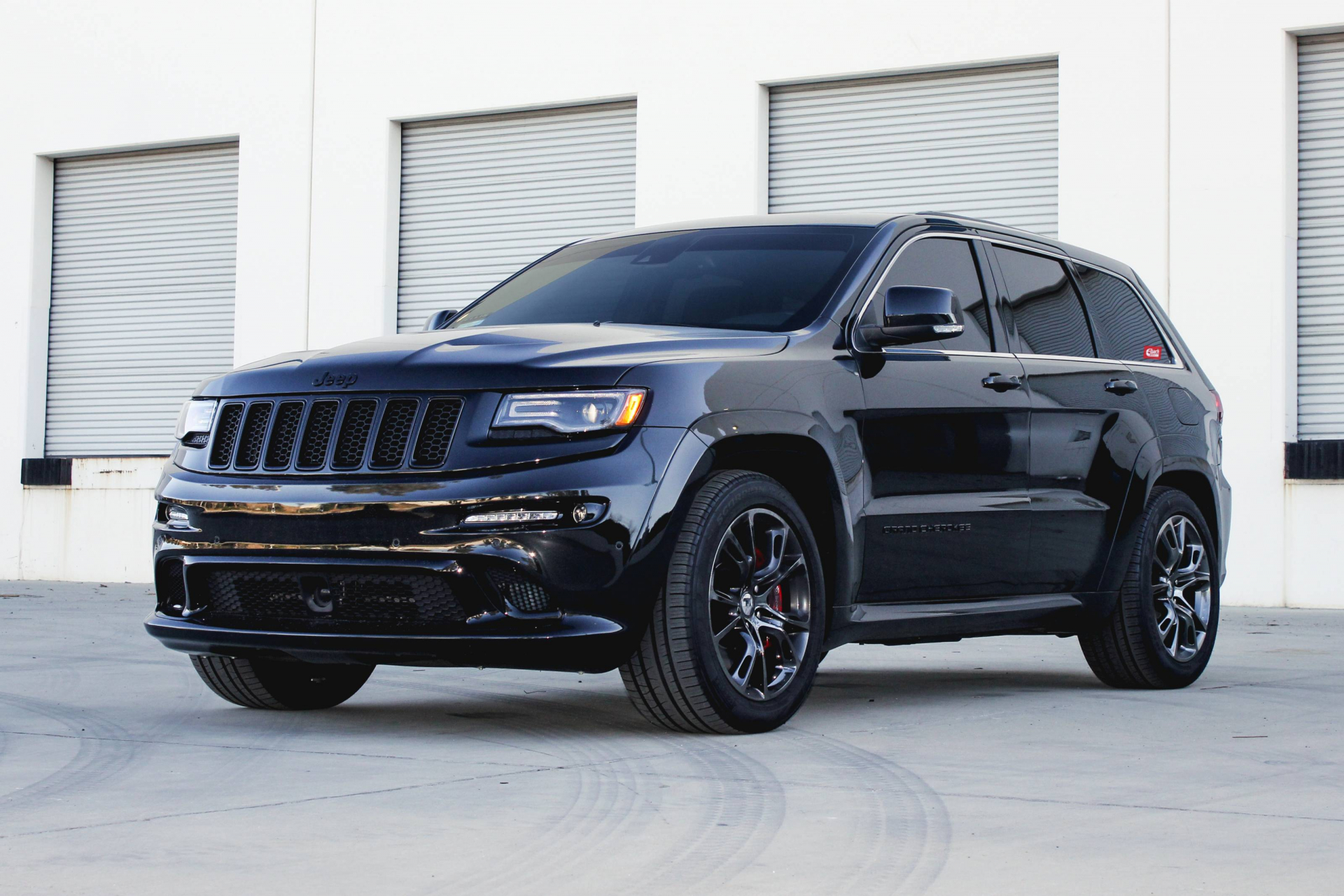
Real-world Example: Lowered Cherokee Performance
A 2000 Jeep Cherokee XJ, lowered with 2-inch Eibach springs, showed a noticeable reduction in body roll and improved steering response. The owner reported an average 15% improvement in cornering speed during city driving, with only a slight increase in ride firmness.
Tire wear was normal after getting a professional alignment.
Common Mistakes To Avoid
- Skipping alignment: This causes uneven tire wear and poor handling.
- Using cheap parts: Low-quality springs or shocks can fail quickly.
- Ignoring tire size: Large tires may rub after lowering.
- Not checking compatibility: Make sure your parts fit your Cherokee’s year and model.

Cost And Time Estimates
Lowering a Jeep Cherokee with springs usually costs between $300 and $600 for parts and labor. Coilovers can reach $1,200 or more. Most jobs take 3–5 hours for a skilled mechanic, but DIY projects may take longer.
Here’s a quick comparison:
| Method | Parts Cost | Labor Cost | Time Required |
|---|---|---|---|
| Springs | $200–$300 | $100–$300 | 3–5 hours |
| Coilovers | $700–$1200 | $200–$400 | 4–6 hours |
| Drop Spindles | $250–$500 | $150–$300 | 3–4 hours |
Legal And Safety Considerations
Some states limit how much you can lower your vehicle. Check local laws before starting. Also, lowering may affect crash safety and warranty coverage. Always use high-quality parts and follow safe installation practices.
For full details on vehicle modification laws, see the Vehicle Modification page on Wikipedia.
Lowering your Jeep Cherokee can be a rewarding project. With careful planning, quality parts, and professional alignment, you’ll enjoy better handling and a unique look. Always balance style with safety, and never rush the process.
Frequently Asked Questions
How Much Can I Safely Lower My Jeep Cherokee?
Most experts suggest a 1–2 inch drop for daily driving. More than this may cause issues with ground clearance, suspension geometry, and tire rubbing.
Will Lowering Affect Off-road Ability?
Yes, lowering reduces ground clearance and limits off-road performance. If you plan to drive off-road, keep the drop minimal or use adjustable coilovers.
Do I Need New Shocks After Lowering?
Usually, yes. Lowering springs are stiffer and shorter, so stock shocks may not perform well. Upgrade to shocks designed for lowered vehicles.
Can I Lower A Cherokee Myself?
It’s possible for skilled DIYers, but the job requires special tools and safety precautions. If unsure, hire a professional mechanic.
Is Alignment Necessary After Lowering?
Absolutely. Lowering changes suspension angles. Without alignment, you risk uneven tire wear and poor handling. Always get a professional alignment after lowering.