Shifting your Jeep Wrangler into 4WD is one of the most useful features for tackling rough terrain, mud, snow, or sand. If you’re new to this process, or want to make sure you’re doing it right, this guide is for you. Many drivers worry about damaging their vehicle or making mistakes—so let’s break it down step by step, with practical advice and clear examples. By the end, you’ll know exactly how to shift to 4WD in your Jeep Wrangler, what to avoid, and how to get the best performance in challenging conditions.
Understanding Jeep Wrangler 4wd Modes
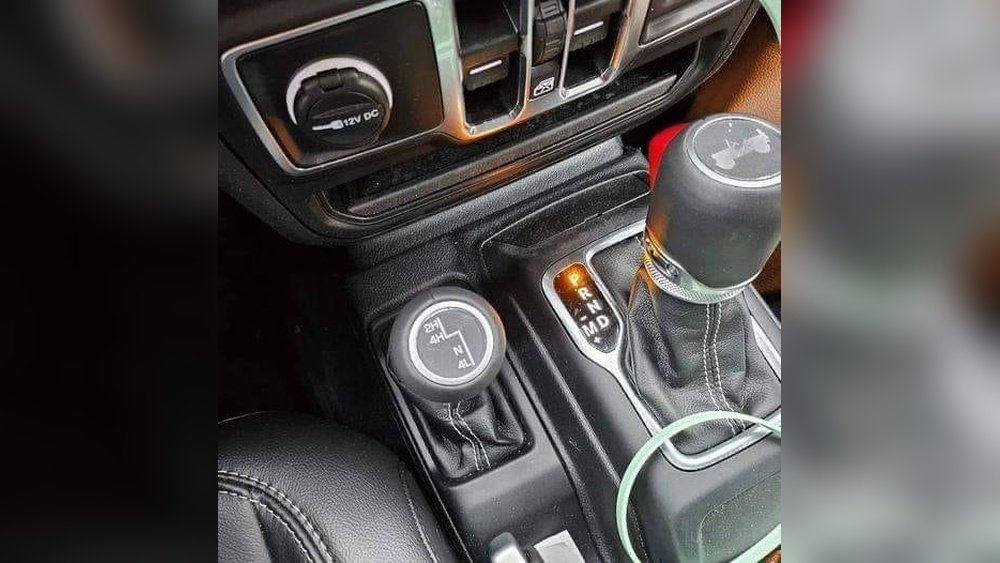
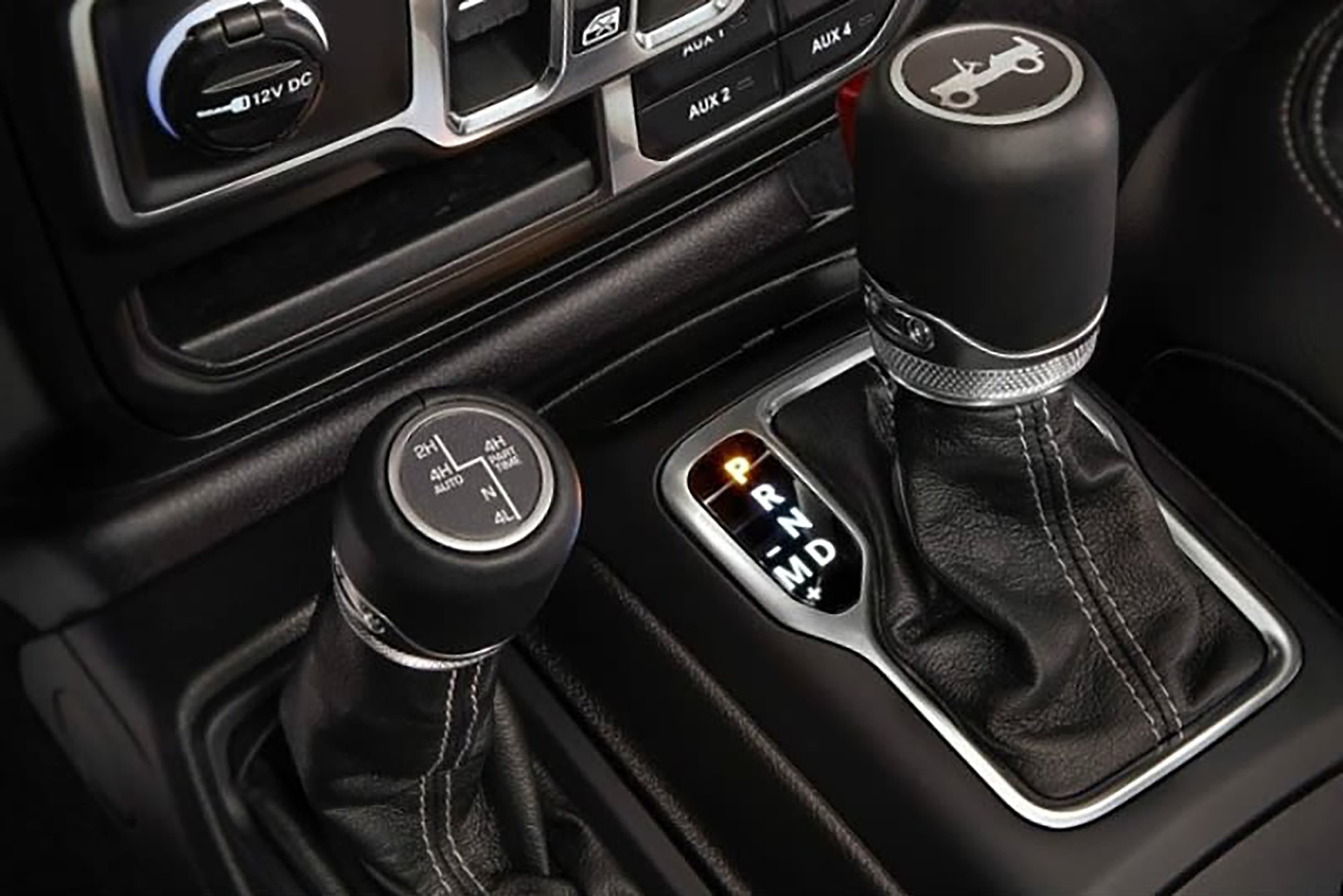
Jeep Wranglers come with different 4WD modes depending on the year and model. The most common are 2H (Two High), 4H (Four High), 4L (Four Low), and sometimes Auto mode in newer models.
Here’s a simple overview:
| Mode | When to Use | Speed Range |
|---|---|---|
| 2H | Normal roads, dry conditions | Any speed |
| 4H | Mud, snow, sand, gravel | Up to 55 mph |
| 4L | Steep hills, deep mud, rock crawling | Up to 25 mph |
| Auto | Mixed conditions, automatic adjustment | Any speed |
2H is for regular driving. 4H helps when surfaces are slippery. 4L is for very tough situations where you need extra torque. Auto mode is mostly found in newer Wranglers and lets the system choose the best mode.
Step-by-step: How To Shift To 4wd
Shifting From 2h To 4h
- Check your speed. You can shift from 2H to 4H while driving, but keep your speed below 55 mph for safety.
- Release the accelerator. Take your foot off the gas to reduce stress on the drivetrain.
- Move the lever. Firmly shift the transfer case lever from 2H to 4H. If your Wrangler has an electronic switch, turn it to 4H.
- Resume driving. Once engaged, you’ll see a 4WD indicator light on the dashboard.
Shifting From 4h To 4l
This step is more delicate and must be done correctly:
- Stop the vehicle. Make sure the Jeep is at a complete stop.
- Shift to Neutral. Move the gear selector to N (Neutral).
- Engage the lever. Press the transfer case lever down and move it from 4H to 4L. You might hear a slight clunk—this is normal.
- Wait for the indicator. The dashboard light should confirm you’re in 4L.
- Switch back to Drive. Now you can continue slowly, using 4L for tough terrain.
For shifting back from 4L to 4H, repeat the process, but move the lever to 4H instead.
Shifting From 4wd To 2wd
When you return to normal roads:
- Slow down. Reduce your speed below 55 mph.
- Shift the lever. Move the transfer case lever back to 2H.
- Check the light. The dashboard indicator should switch to 2WD.

Tips For Smooth And Safe Shifting
- Never shift to 4L while moving. This can damage the transfer case.
- Avoid using 4WD on dry pavement. It causes extra tire wear and strains the drivetrain.
- Practice shifting in a safe area before heading off-road.
- If you hear grinding or can’t shift, gently roll the vehicle forward or backward in Neutral to help gears align.
- Always check your owner’s manual for model-specific advice. For more details, you can visit the Jeep official site.
Common Mistakes To Avoid
Even experienced drivers sometimes make errors that can lead to costly repairs or poor performance. Here are some mistakes to watch out for:
| Mistake | Effect | How to Avoid |
|---|---|---|
| Shifting to 4L while moving | Transfer case damage | Stop and shift in Neutral |
| Using 4WD on dry pavement | Excessive tire wear | Use 2H on dry roads |
| Ignoring dashboard lights | Improper engagement | Wait for indicator before driving |
| Forgetting to shift back to 2H | Lower fuel efficiency | Switch to 2H after off-road |
Real-world Examples And Data
A 2021 Jeep Wrangler Rubicon can shift to 4H at speeds up to 55 mph, but shifting to 4L always requires stopping. In snowy conditions, drivers report much better traction and control after switching to 4H. According to Jeep’s own tests, using 4L on steep slopes reduces wheel slip by up to 80%. These numbers show how much performance improves with the right 4WD mode.
Another insight: Many people forget that 4WD is not for cornering on dry roads. If you turn sharply while in 4H or 4L, tires may scrub or skip, which can feel strange and even damage parts over time.
Troubleshooting: What If 4wd Won’t Engage?
Sometimes, your Jeep Wrangler might not shift to 4WD easily. Here are some quick checks:
- Is the vehicle fully stopped when shifting to 4L?
- Are you in Neutral for 4L?
- Is the dashboard light blinking instead of staying solid?
- Try gently rolling forward or backward in Neutral to align gears.
- If problems continue, get professional help. A stuck transfer case or electrical fault can be serious.

Frequently Asked Questions
How Do I Know If 4wd Is Engaged In My Jeep Wrangler?
Look for the 4WD indicator light on your dashboard. When you shift, the light should stay solid. If it blinks, the system may not be fully engaged.
Can I Shift To 4h While Driving?
Yes, you can shift to 4H while moving, but keep your speed below 55 mph. For 4L, you must be stopped and in Neutral.
Why Should I Avoid Using 4wd On Dry Pavement?
4WD is designed for slippery surfaces. Using it on dry roads causes tire wear and strains the drivetrain. Always return to 2H for regular driving.
What Happens If I Shift To 4l While Moving?
Shifting to 4L while moving can damage the transfer case. Always stop and shift in Neutral before engaging 4L.
Is There A Difference Between Manual And Electronic 4wd?
Yes. Manual systems use a lever, while electronic systems use a switch. Both work well, but electronic systems usually engage faster and with less effort.
Shifting to 4WD in your Jeep Wrangler is simple once you know the steps and what to watch for. Practice the process, follow these tips, and avoid common mistakes. That way, you can enjoy your Jeep’s full capability without worry—whether you’re heading into mud, snow, or rocky trails.
Always check your owner’s manual for special instructions, and remember that the right 4WD mode can make all the difference in safety and performance.