If your Jeep feels bouncy, unstable, or just not as smooth as it used to, it might be time to replace the shocks. Changing shocks can improve ride quality, handling, and safety—especially if you love off-road adventures. Many Jeep owners hesitate to install shocks themselves, but with the right steps, tools, and tips, you can do it confidently and save money. In this guide, you’ll learn how to install shocks on a Jeep, what mistakes to avoid, and how to choose the right parts.
Understanding Jeep Shocks
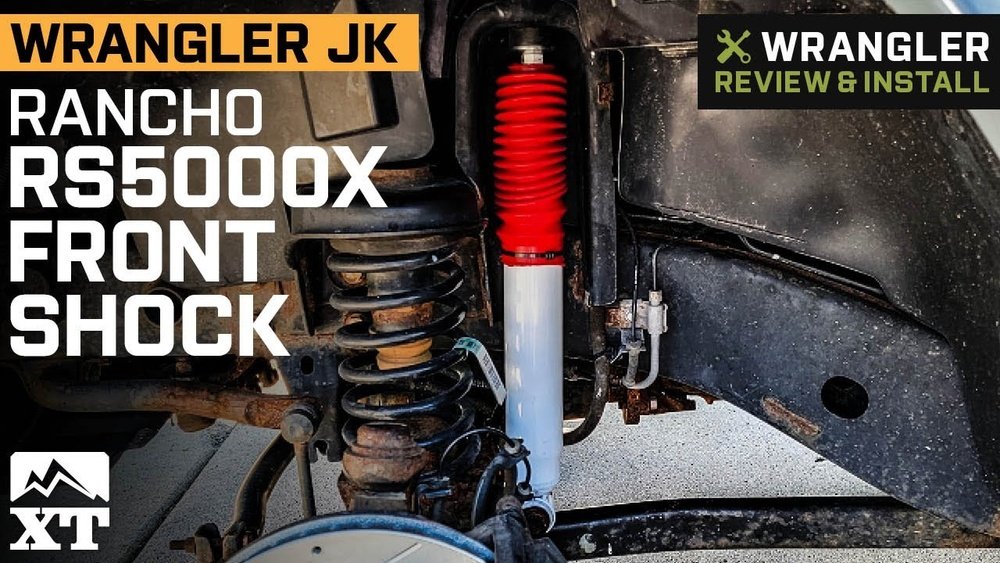
Shocks, or shock absorbers, help control how your Jeep handles bumps, turns, and rough roads. Without good shocks, your tires lose contact with the ground, making your Jeep unsafe and uncomfortable.
There are different types of shocks for Jeeps:
| Type | Main Feature | Best For |
|---|---|---|
| Gas-charged | Pressurized gas improves response | Daily driving, light off-road |
| Hydraulic | Uses oil for damping | Smoother ride, city use |
| Heavy-duty | Thicker body, more strength | Off-roading, towing |
Choose shocks based on your driving style. If you drive mostly on highways, standard gas-charged shocks are enough. For rocky trails, heavy-duty shocks are better.
Tools And Parts You Need
Before you start, get these tools and parts ready:
- New shocks (check compatibility with your Jeep model)
- Jack and jack stands
- Socket set and wrenches
- Penetrating oil
- Torque wrench
- Safety gloves and goggles
Buying high-quality shocks pays off. According to Jeep forums, many owners regret buying cheap shocks they wear out faster and may cause problems.
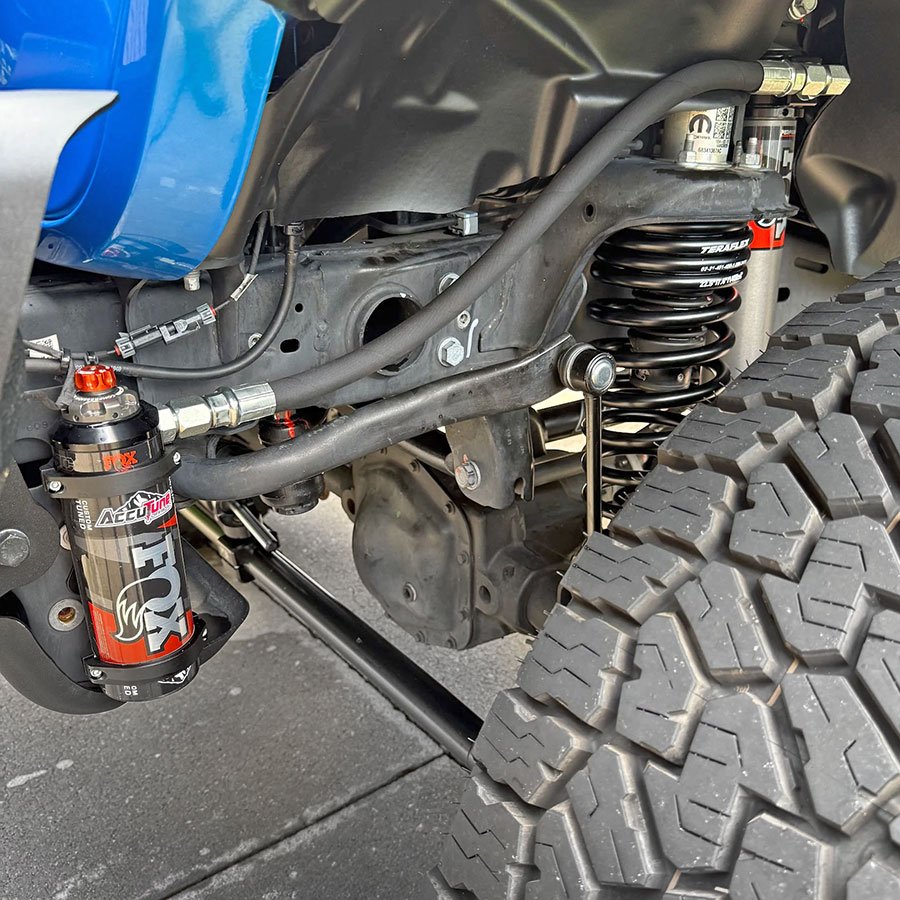
Step-by-step: Installing Shocks On A Jeep
Follow these steps to install shocks safely. The process is similar for front and rear shocks, but always check your Jeep’s manual for specific instructions.
1. Prepare Your Jeep
- Park on a flat surface and engage the parking brake.
- Place wheel chocks behind the tires for safety.
- Loosen the lug nuts on the wheels (if needed) but don’t remove them yet.
2. Lift And Secure
- Use a jack to lift the Jeep.
- Secure with jack stands under the frame. Never rely on the jack alone.
3. Remove Old Shocks
- Spray penetrating oil on the bolts to make removal easier.
- Use a socket or wrench to remove the lower and upper mounting bolts.
- Take out the old shock. If it’s stuck, tap gently with a rubber mallet.
4. Install New Shocks
- Position the new shock in place. Start with the lower mounting bolt.
- Tighten bolts by hand first, then use a torque wrench to finish. Check your Jeep manual for the correct torque setting.
- Repeat for the upper bolt.
| Step | Typical Time | Difficulty |
|---|---|---|
| Remove old shock | 15–20 min | Easy |
| Install new shock | 15–20 min | Medium |
5. Lower The Jeep And Test
- Remove jack stands and lower the Jeep.
- Tighten lug nuts if wheels were removed.
- Test drive slowly to check for noise or vibration.
Common Mistakes To Avoid
- Using old bolts: Always use new mounting bolts if possible. Old bolts can snap or loosen.
- Skipping torque check: Bolts that are too loose or tight cause problems. Use a torque wrench.
- Wrong shock size: Make sure the shock matches your Jeep’s suspension and lift height.
- Forgetting safety steps: Never work under a Jeep supported only by a jack.
Many beginners forget to check for leaks in the new shocks after installation. If you see oil or hear a knocking sound, the shock may be defective or installed incorrectly.
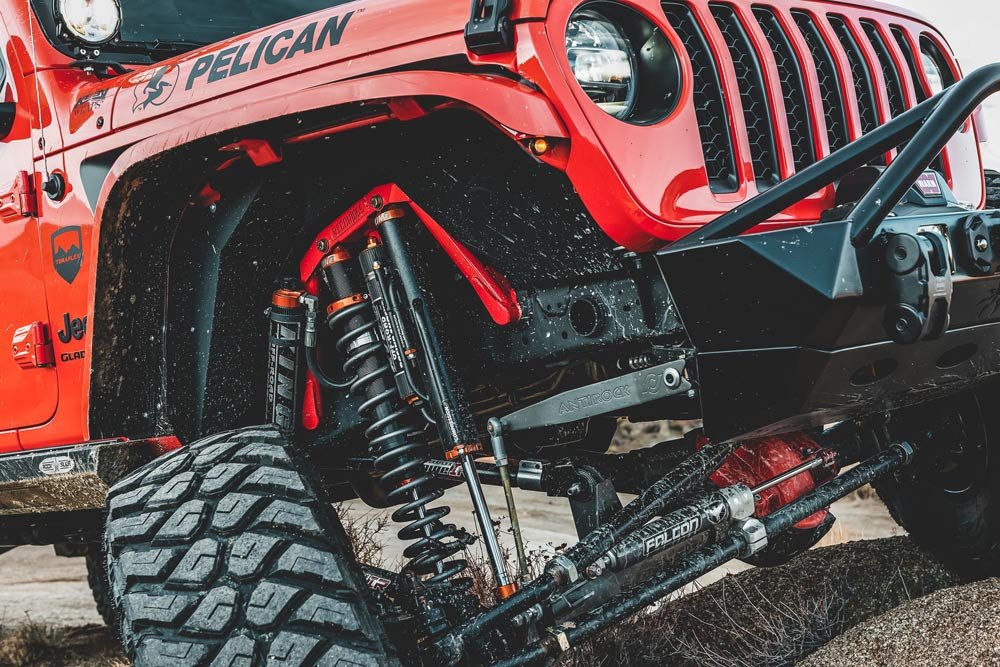
How To Choose The Right Shocks
Choosing the right shocks depends on your Jeep’s model and your driving needs. Here’s a quick comparison for popular Jeep models:
| Jeep Model | Recommended Shock | Price Range |
|---|---|---|
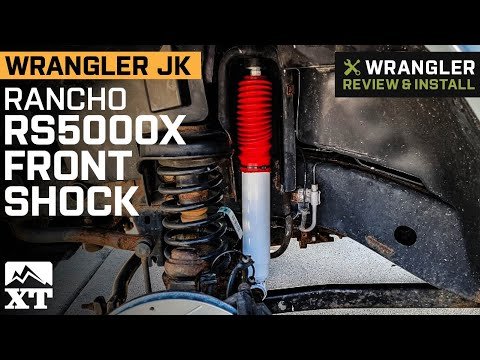
| Wrangler JK | Bilstein 5100 | $80–$120 each |
| Grand Cherokee | Monroe OESpectrum | $70–$110 each |
| Jeep TJ | Fox Performance | $100–$150 each |
If you plan to lift your Jeep, buy shocks for the correct lift height. Standard shocks won’t work with a 2-inch lift or higher.
Practical Tips For Installing Shocks
- Work in pairs: If possible, have a friend help. It’s safer and faster.
- Label bolts: Put old bolts in labeled bags if you plan to reuse them.
- Check alignment: After installing shocks, your Jeep may need a wheel alignment.
- Inspect other parts: Look at bushings, mounts, and springs while you’re under the Jeep. Replacing worn parts now saves trouble later.
A tip many miss: If your Jeep has been off-road or in salty conditions, clean the area around the shock mounts before installing new shocks. Dirt and rust can affect installation and performance.
Frequently Asked Questions
How Often Should I Replace Shocks On My Jeep?
Most Jeep shocks last 50,000–75,000 miles, but off-road driving can wear them out faster. Replace if you notice poor handling or leaks.
Can I Install Shocks Without Removing The Wheels?
In some cases, yes. But removing the wheels gives better access and makes the job easier, especially for rear shocks.
What Are Signs Of Bad Shocks?
Look for bouncing, poor control, noise, or visible leaks. If your Jeep sways or feels unstable, check the shocks.
Do I Need Special Shocks For Lifted Jeeps?
Yes. Use shocks designed for your Jeep’s lift height. Standard shocks won’t fit or perform well with lifted suspensions.
Where Can I Find Installation Torque Specs?
Always check your Jeep owner’s manual or visit Jeep’s official site for torque specs and installation guides.
Installing shocks on a Jeep is a practical upgrade that boosts performance and safety. With careful steps, the right tools, and smart choices, you can make your Jeep ride better than ever. Take your time, follow safety tips, and enjoy smoother drives wherever you go.