Taking the hardtop off your Jeep is a rite of passage for many owners. But if you’ve ever tried lifting a Jeep hardtop by yourself, you know it’s awkward, heavy, and risky. A simple hoist system lets you remove and store your top safely, even if you’re alone. The best part? You don’t need to spend hundreds on a commercial kit. With some basic tools and a little planning, you can build a strong, reliable Jeep hardtop hoist at home.
Why Build A Jeep Hardtop Hoist?
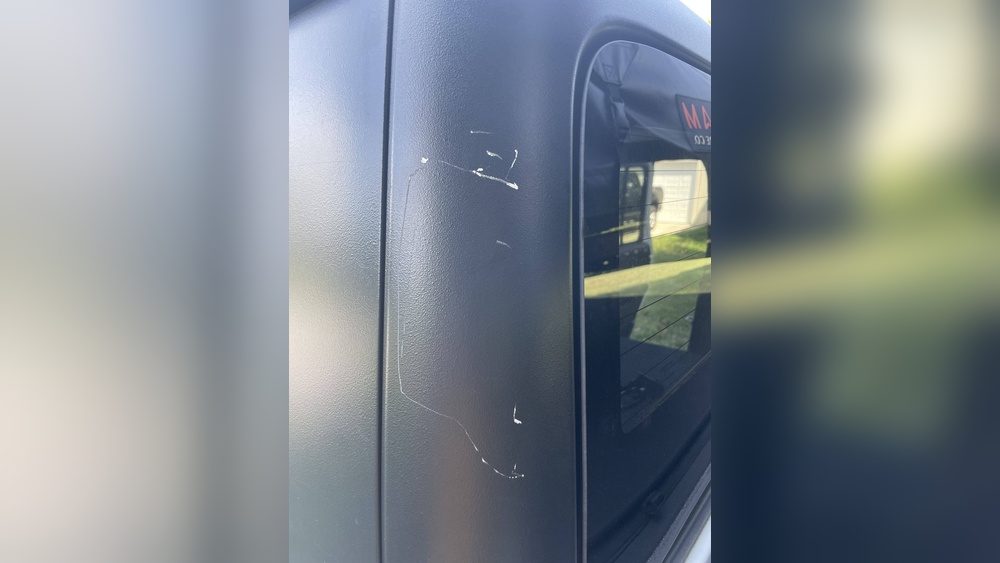
A Jeep hardtop can weigh 100–150 pounds, and its shape makes it difficult to grip. Lifting it wrong can lead to scratches, cracked windows, or even back injuries. A hoist system solves these problems by:
- Letting one person lift and lower the hardtop safely
- Preventing damage to the top and your Jeep
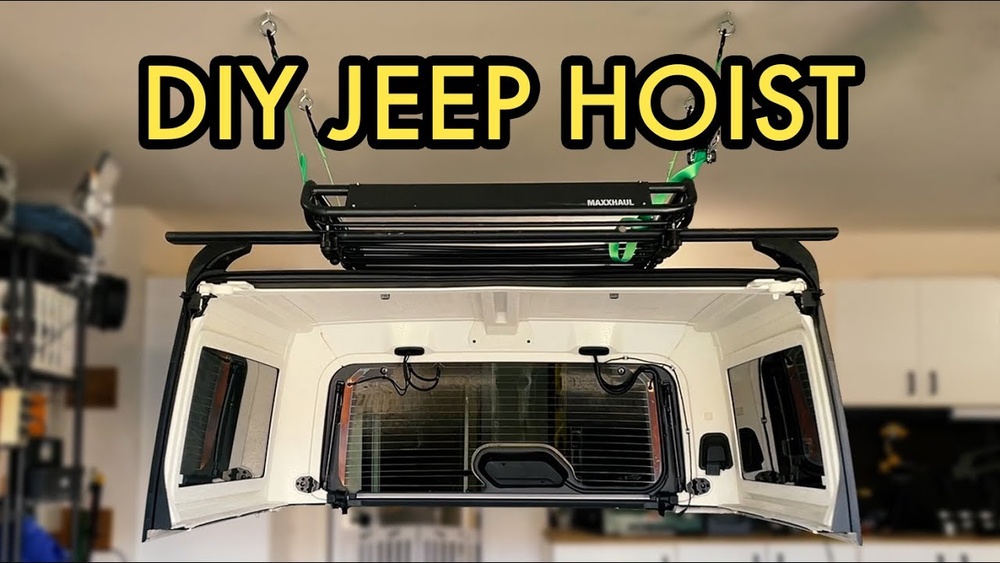
- Saving garage space by storing the top overhead
Many Jeep owners overlook one thing: a hardtop hoist also makes reinstallation much easier, as you can align the top perfectly when lowering it back down.
What You’ll Need
Before starting, gather these supplies. You can find most items at a hardware store. Always check your garage ceiling structure and weight limits before installing anything overhead.
| Item | Recommended Specs | Why It Matters |
|---|---|---|
| Hoist Pulley System | Rated 200+ lbs | Ensures safe lifting |
| Rope or Cable | 3/8” braided nylon | Strong and flexible |
| Mounting Hardware | Heavy-duty lag bolts, eye bolts | Secures pulleys to ceiling joists |
| Lifting Straps | Soft, non-abrasive | Protects hardtop finish |
| Drill & Stud Finder | – | For safe, accurate installation |
Optional: A hand crank or electric winch for easier lifting.

Step-by-step Guide To Building Your Hoist
Let’s walk through the process to ensure you lift and store your Jeep hardtop like a pro.
1. Find The Right Spot
Choose a garage location with enough overhead space. Make sure the ceiling joists are strong—most are, but always check. The area above your Jeep’s parking spot is ideal.
2. Locate And Mark Ceiling Joists
Use a stud finder to locate the center of two joists. Mark spots for your pulleys at least 3 feet apart. This spread supports the hardtop evenly.
3. Install The Pulleys
Drill pilot holes and secure the eye bolts or mounting plates directly into the joists. Never install into drywall alone; it won’t hold the weight.
- Tighten hardware until snug, but do not overtighten (can damage wood).
- Double-check for secure attachment.
4. Prepare The Lifting Straps
Thread strong, soft straps through your hardtop’s window openings or factory mounting points. Avoid sharp edges to prevent scratches.
5. Attach Rope Or Cable
Run the rope through the pulleys. On one end, secure to the lifting straps. The other end will be your lifting line, which you’ll pull to raise the top.
- Knot securely or use carabiners for quick attachment.
- Leave enough slack to lower the hardtop fully to the ground.
6. Test With No Load
Before lifting the hardtop, pull the rope and check the system. Everything should move smoothly, and all hardware should remain tight.
7. Lift The Hardtop
With help (the first time), slide the straps under the top and slowly take up slack. Carefully raise the hardtop a few inches to make sure the load is balanced.
If the hardtop tilts, adjust strap positions. Once balanced, continue lifting until the top clears your Jeep.
8. Secure For Storage
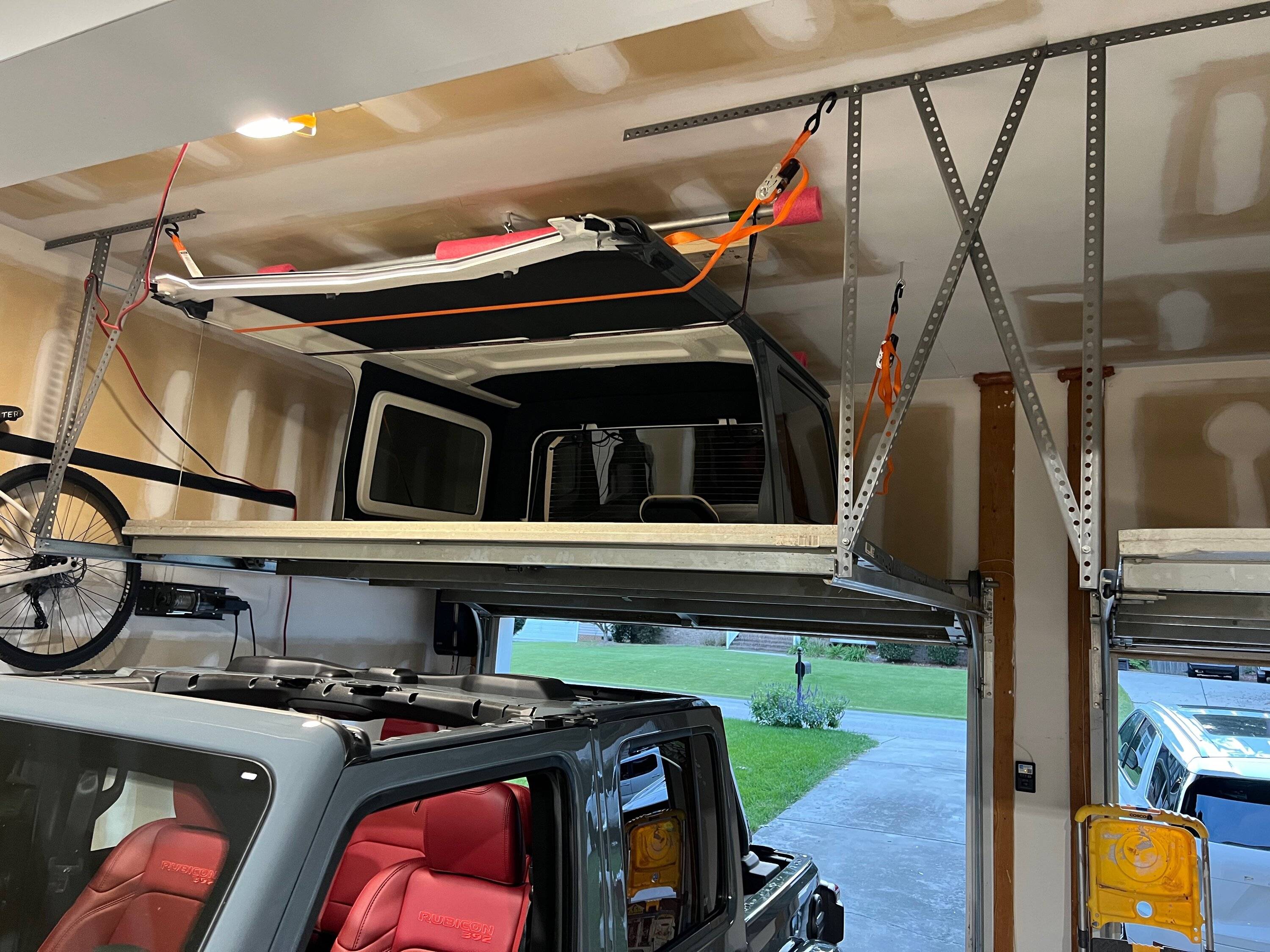
Tie off the rope to a wall-mounted cleat or use a locking mechanism. Make sure the hardtop is high enough to park under, but not so high you strain the hardware.
| Step | Common Mistake | How to Avoid |
|---|---|---|
| Mounting Pulleys | Attaching to drywall only | Always use ceiling joists |
| Lifting | Unbalanced straps | Check and adjust before full lift |
| Securing Rope | Loose knots or weak tie-off | Use a proper cleat or locking device |
Extra Tips For A Smooth Hoist Build
- Label your hardware for easy reassembly in the future.
- Periodically inspect ropes and straps for wear and replace as needed.
- Use foam padding between straps and the hardtop for extra paint protection.
- Consider a hand winch if you have limited upper body strength or want smoother lifting.
A mistake many beginners make is underestimating the need for even weight distribution. An unbalanced lift can chip paint or crack fiberglass. Take time to center everything before lifting.
Costs And Diy Vs. Commercial Kits
Building your own hoist typically costs $50–$120, depending on materials and tools you already have. Commercial kits range from $150–$400. Here’s a quick comparison:
| Option | Cost Range | Features | DIY Difficulty |
|---|---|---|---|
| DIY Hoist | $50–$120 | Custom fit, lower price | Moderate |
| Commercial Kit | $150–$400 | Easy install, warranty | Easy |
If you’re handy and want to save money, DIY is a great choice. If you prefer plug-and-play, a commercial kit might be worth the investment.
Safety Reminders
- Always check the load rating on all hardware.
- Never let kids play under a suspended hardtop.
- Re-check all connections before each use.
- Wear gloves to protect your hands from rope burns.
Want more technical details? The Wikipedia page on pulleys explains load ratings and mechanical advantages in depth.
Frequently Asked Questions
How Much Weight Should My Hoist Support?
Your hoist should support at least 150 pounds. Always build in a safety margin—aim for hardware rated at 200 pounds or more to be safe.
Can I Use An Electric Winch For My Jeep Hardtop Hoist?
Yes, an electric winch makes lifting easier, especially if you remove the top often. Just make sure it’s properly mounted and rated for overhead lifting.
What If My Garage Ceiling Isn’t High Enough?
If your ceiling is low, you may not be able to park under the hardtop while it’s hoisted. In this case, consider wall-mounted storage or a rolling cart.
Is It Safe To Leave My Hardtop Hanging All Season?
It’s safe if the system is well-built and hardware is rated for the load. Still, check the straps, rope, and mounting points every few weeks for signs of wear or sagging.
Can I Use This Hoist For Other Jeep Models?
Most hoist designs work for Wrangler, Gladiator, and other Jeep models with removable hardtops. Just adjust strap positions and hardware for different sizes and weights.
Building your own Jeep hardtop hoist is a smart DIY project that brings freedom and convenience. Take your time, double-check every step, and you’ll enjoy safe, easy top removal for years.