Keeping your Jeep Wrangler running cool is more important than many owners realize. Overheating can cause serious engine damage, especially if you drive off-road or in hot climates. Topping up your coolant is a simple task that prevents major problems and keeps your Jeep’s engine in great shape. Even if you’re new to car care, learning how to put coolant in your Jeep Wrangler is a skill that pays off.
Why Coolant Matters For Your Jeep Wrangler
Coolant, sometimes called antifreeze, does more than keep your engine from overheating. It also stops the engine from freezing in cold weather and protects metal parts from corrosion. Without enough coolant, the engine temperature can rise fast, risking a costly breakdown.
Here’s what coolant does for your Wrangler:
- Maintains safe temperature: Prevents overheating and freezing.
- Protects engine parts: Stops rust, corrosion, and mineral buildup.
- Increases engine life: A well-cooled engine lasts longer.
Many Jeep owners forget to check their coolant until they see the temperature gauge rise. By then, it could be too late. Checking and refilling coolant every few months is a smart habit.
What You Need Before You Start
Adding coolant is a quick job, but you need the right tools and products. Here’s what to prepare:
- Coolant (Antifreeze): Use the type recommended in your Wrangler’s owner’s manual. Most newer Jeeps use HOAT (Hybrid Organic Acid Technology) coolant, which is usually pink or orange.
- Distilled water: Needed if the coolant is concentrated. Never use tap water—it can cause mineral buildup.
- Funnel: Makes pouring easier and avoids spills.
- Gloves and eye protection: Coolant is toxic; protect your skin and eyes.
- Rag or paper towels: For cleaning spills.
A common mistake is mixing different types of coolant. This can create sludge and block cooling passages. Always double-check your manual or the label on your coolant bottle.
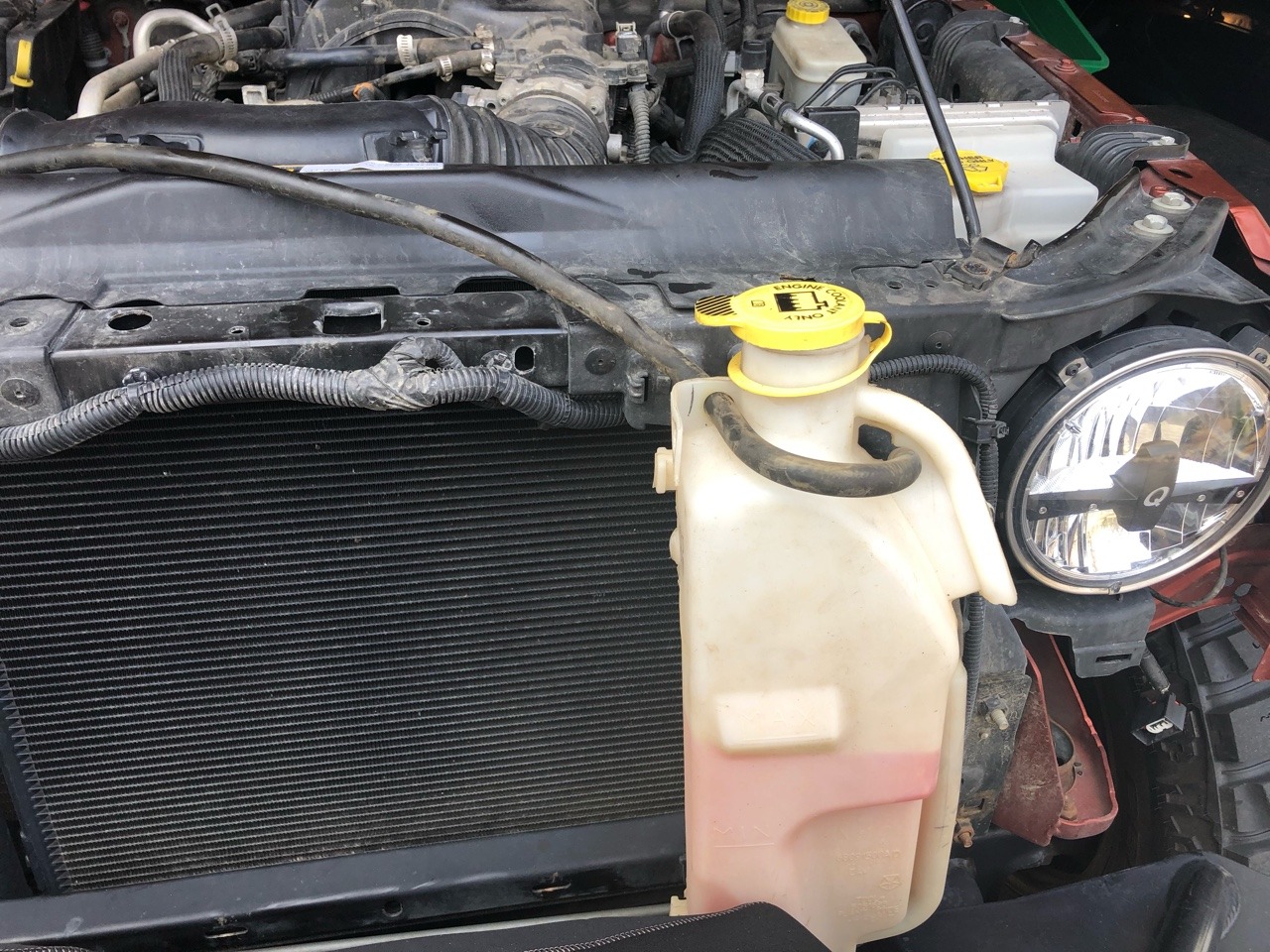
Step-by-step: How To Put Coolant In Your Jeep Wrangler
Topping up coolant is simple, but you must do it correctly to avoid problems. Follow these steps carefully:
- Let the Engine Cool Down
- Never open the coolant reservoir or radiator cap when the engine is hot. Hot coolant is under pressure and can spray out, causing burns. Wait at least 30 minutes after turning off the engine.
- Locate the Coolant Reservoir
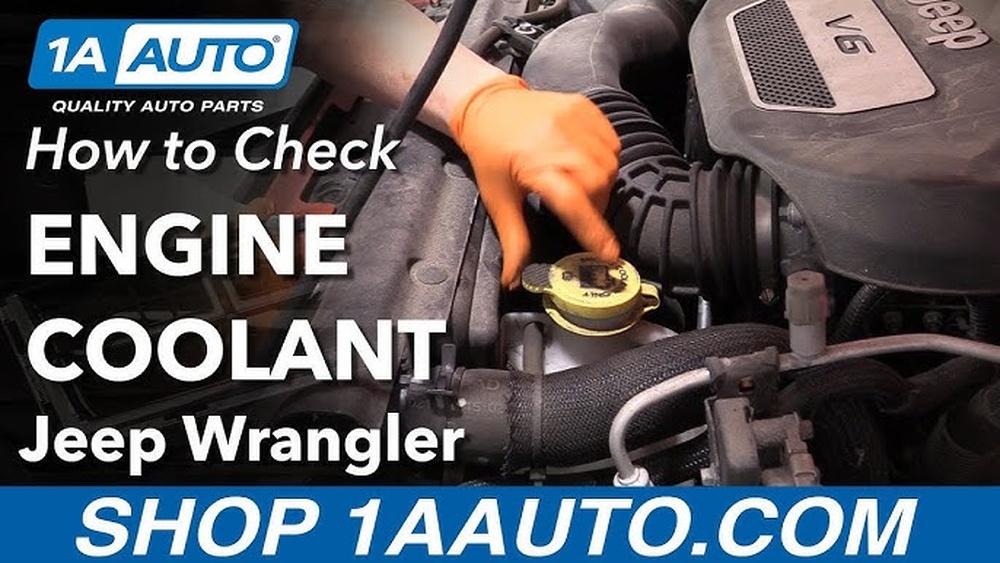
- Open the hood. The coolant reservoir is a translucent plastic tank, usually on the passenger side near the radiator. It has “MIN” and “MAX” lines marked on the side.
- Check Coolant Level
- Look at the level in the reservoir. If it’s below the “MIN” line, you need to add more.
- Mix Coolant (if needed)
- Some coolants are pre-mixed. If you have concentrated coolant, mix it with distilled water (usually 50/50). Check your owner’s manual for the exact ratio.
- Add Coolant
- Remove the reservoir cap. Place the funnel into the opening. Slowly pour coolant in until the level reaches the “MAX” line. Avoid overfilling.
- Replace Cap and Clean Up
- Put the cap back on tightly. Wipe any spills with a rag.
- Check for Leaks
- Start your engine and let it run for a few minutes. Watch for leaks under the vehicle and check the temperature gauge. If the gauge stays in the normal range and there are no leaks, you’re done.
Example: Coolant Capacity Table
Different Jeep Wrangler models have different coolant capacities. Here’s a quick comparison:
| Wrangler Model | Engine | Coolant Capacity (Quarts) |
|---|---|---|
| JK (2007-2018) | 3.6L V6 | 14.0 |
| JL (2018+) | 2.0L Turbo | 9.7 |
| JL (2018+) | 3.6L V6 | 14.0 |
If you’re only topping off, you’ll use much less than a full system fill.
Common Problems And How To Avoid Them
Adding coolant seems easy, but there are pitfalls new owners often miss:
- Mixing brands or types: This can create sludge or reduce cooling power.
- Overfilling: Too much coolant can increase pressure and cause leaks.
- Ignoring leaks: If you keep needing to add coolant, you may have a leak or a bad head gasket.
- Using tap water: Minerals in tap water can clog the system and cause corrosion.
If you notice your coolant turning brown or rusty, flush the system completely before adding fresh coolant.
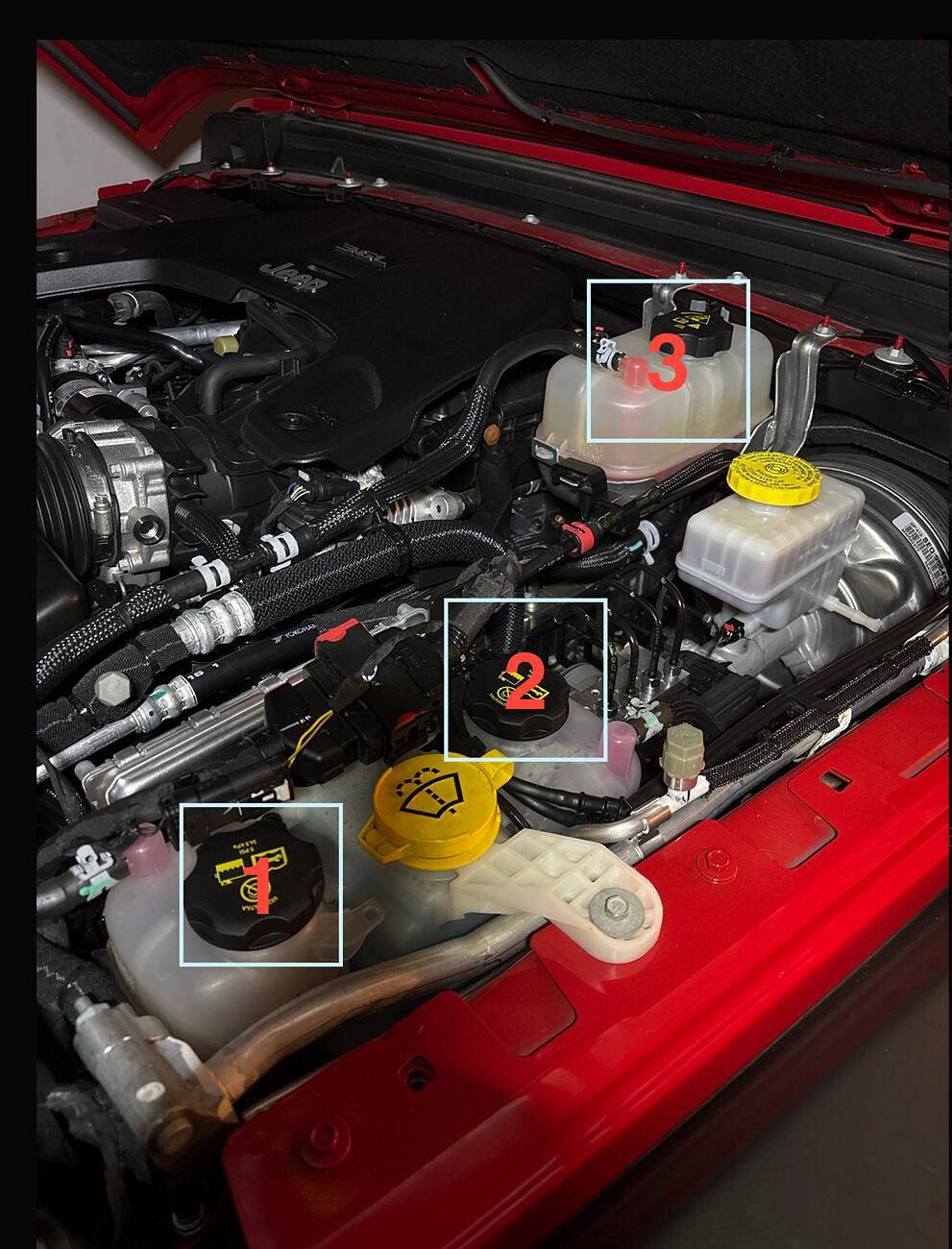
How Often Should You Add Or Change Coolant?
Checking your coolant every time you change the oil is a good habit. Most Jeep Wranglers need a full coolant change every 100,000 miles or 5 years, but check your owner’s manual for your model.
Here’s a quick look at coolant service intervals:
| Service | Interval |
|---|---|
| Check coolant level | Every oil change (3,000–5,000 miles) |
| Flush and replace coolant | Every 100,000 miles or 5 years |
Extra Tips For Jeep Wrangler Owners
- Carry extra coolant: If you drive off-road or in remote areas, keep a bottle in your trunk.
- Watch the temperature gauge: If it rises above normal, stop and check the coolant as soon as it’s safe.
- Check hoses and radiator: Cracks or leaks in hoses are a common source of coolant loss.
- Don’t ignore sweet smells: A sweet smell from the engine bay often means a coolant leak.
A surprising number of overheating cases are due to small leaks or using the wrong coolant type. Stay alert for small changes, and don’t wait for warning lights.
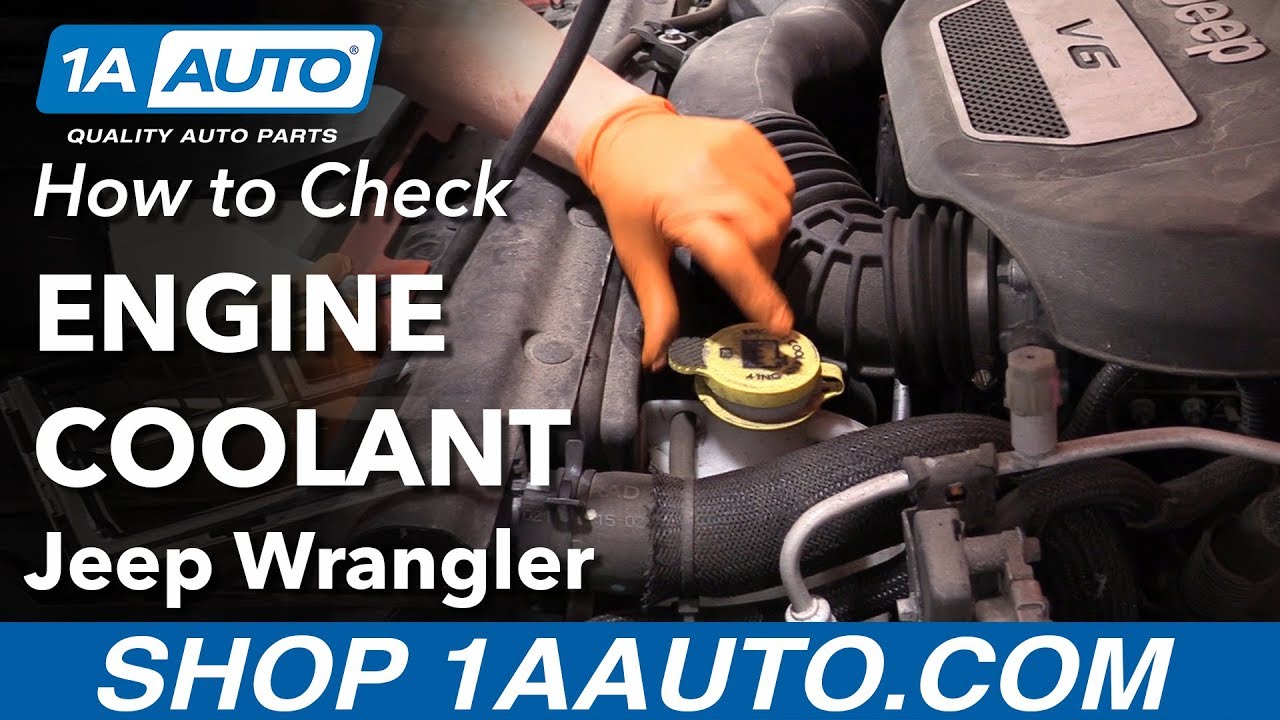
Frequently Asked Questions
How Do I Know If My Jeep Wrangler Is Low On Coolant?
Check the coolant reservoir under the hood. If the fluid is below the “MIN” line, it needs more. Other signs include the engine running hotter than normal or a warning light on the dashboard.
Can I Just Add Water To The Coolant Reservoir?
It’s best to use a 50/50 mix of coolant and distilled water. In emergencies, you can add distilled water, but replace it with the correct mix as soon as possible.
What Happens If I Overfill The Coolant?
Too much coolant can increase system pressure, possibly causing leaks or damage. Always fill only to the “MAX” line.
Do I Need To Bleed Air From The System After Adding Coolant?
If you’re only topping up, bleeding air isn’t usually needed. But if you’ve drained and refilled the whole system, it’s important to bleed air to prevent hot spots.
Where Can I Find The Recommended Coolant Type For My Wrangler?
Check your owner’s manual or the label on the coolant reservoir. You can also visit the official Jeep Maintenance page for details.
Topping up your Jeep Wrangler’s coolant is a simple way to protect your engine and avoid expensive repairs. With the right tools and a little care, you can keep your Jeep running smoothly for years.