Flushing the heater core in your 2013 Jeep Wrangler can restore heat and improve your vehicle’s comfort, especially during colder months. Over time, sediment and rust can clog the heater core, causing weak or no heat from the vents. While many drivers are nervous about tackling this job, it’s manageable with some basic tools and careful steps. This guide explains how to flush the heater core safely and efficiently, so you can get your Jeep’s heat working again without a trip to the mechanic.
Why Flush The Heater Core?
The heater core is a small radiator inside your dashboard. Hot coolant flows through it, and your fan blows air over the core to warm the cabin. When the core clogs, coolant can’t circulate well, leading to poor heating or even engine overheating. Flushing removes blockages and can extend the life of your cooling system.
Signs Your Heater Core Needs Flushing
Watch for these common symptoms:
- Weak cabin heat even with high temperature settings
- Foggy windows due to poor defrosting
- Sweet smell inside, signaling a possible leak
- Coolant loss without obvious leaks under the car
If you notice these signs, flushing the heater core is a smart first step before considering more expensive repairs.

Tools And Materials You’ll Need
Gather these items before starting:
- Garden hose with spray nozzle
- Bucket or drain pan
- Pliers or hose clamp tool
- Screwdriver (flathead)
- Coolant (50/50 premix)
- Protective gloves and safety glasses
- Rags for cleanup
Many auto stores sell dedicated heater core flush kits, but a garden hose works well for most home mechanics.
Preparing Your Jeep Wrangler
- Park on level ground and let the engine cool completely. Hot coolant can cause serious burns.
- Disconnect the negative battery cable for safety.
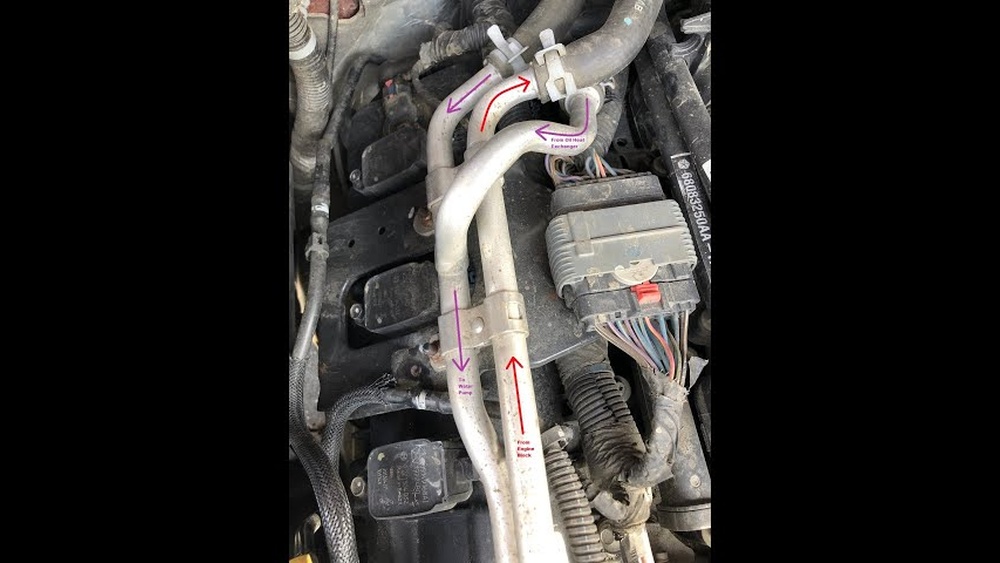
- Open the hood and locate the heater core hoses. On a 2013 Wrangler, these run through the firewall on the passenger side.
- Place your drain pan under the hoses to catch old coolant.

Removing And Flushing The Heater Core Hoses
- Identify the inlet and outlet hoses—one brings hot coolant in, the other sends it back to the engine.
- Use pliers to loosen the clamps. Twist the hoses gently to break them loose.
- Direct one hose into the drain pan.
- Attach your garden hose to the other heater core pipe. A rubber hose or flush kit can help create a tight seal.
- Slowly turn on the water. Flush until clear water flows out the other side (usually 2–3 minutes). Reverse the hoses and flush again to dislodge stubborn debris.
- A surprising amount of brown or rusty fluid may come out—this shows the flush is working.
Reassembling And Refilling Coolant
- Remove the hose and reconnect both heater core hoses securely.
- Check for any leaks or loose clamps.
- Top up your coolant with a 50/50 mix of antifreeze and water.
- Start the engine with the radiator cap off. Let the Jeep warm up fully. Check for air bubbles and keep adding coolant as needed.
- When the heat blows hot and the coolant level is steady, replace the cap.
Common Mistakes To Avoid
- Flushing with a hot engine: Always wait until everything is cool.
- Forcing high water pressure: Too much pressure can damage the heater core. Use gentle flow.
- Forgetting to bleed air: Air pockets can cause overheating.
- Mixing coolant types: Use the correct coolant for your Jeep.
Tips For A Successful Flush
- Wear protective gloves and old clothing; coolant is toxic and stains.
- If you see little debris in the flush, consider a full system flush or check for other cooling issues.
- Dispose of old coolant safely—never pour it down drains or onto the ground.
Cost And Time Comparison
Here’s a quick look at DIY vs. professional heater core flush for a 2013 Wrangler:
| Method | Average Cost | Time Needed |
|---|---|---|
| DIY Flush | $20–$40 | 1–2 hours |
| Shop Flush | $100–$180 | 2–3 hours (including wait) |
Heater Core Vs. Full System Flush
Sometimes, a clogged heater core points to wider cooling system trouble. Here’s how the two compare:
| Flush Type | What It Targets | When to Choose |
|---|---|---|
| Heater Core Flush | Only the heater core | Weak heat, but no other issues |
| Full System Flush | Entire cooling system | Old coolant, rust, or overheating |
When To See A Mechanic
If you still have no heat after flushing, or if the coolant level keeps dropping, the heater core may be leaking. Replacement is a much bigger job, often requiring dash removal. For most drivers, this is a good time to visit a trusted shop.
Non-obvious Insights
Many beginners miss these details:
- Heater core hoses can become stuck from age. Gently twist, don’t pull, to avoid breaking the pipe.
- After flushing, always check the blend door (controls heat direction) isn’t stuck, as this can also cause weak heat.
Frequently Asked Questions
How Often Should I Flush The Heater Core?
Every 2–3 years is typical, or whenever you notice poor heating. If you keep up with regular coolant changes, the heater core is less likely to clog.
Can I Flush The Heater Core Without Removing The Dashboard?
Yes, flushing is done from the engine bay. Only full replacement requires dash removal.
What Coolant Type Does The 2013 Jeep Wrangler Use?
Use HOAT (Hybrid Organic Acid Technology) coolant, usually orange or yellow. Mixing with green coolant can cause blockages.
Is It Safe To Use Radiator Flush Chemicals?
Mild flush chemicals can help, but always follow the label and rinse thoroughly. Too strong a chemical may damage seals.
Where Can I Find More Information?
Check the owner’s manual or visit the official Jeep website for technical details and approved coolants.
Flushing your 2013 Jeep Wrangler’s heater core is a smart way to restore cabin heat and extend your cooling system’s life. With the right tools and care, you can handle this project at home and avoid unnecessary repair bills. Take your time, work safely, and enjoy a warmer drive this winter.