If you own a Jeep, keeping your cooling system in top shape is crucial. Overheating can lead to expensive engine damage, especially on rugged trails or during hot summers. One simple but often forgotten maintenance task is burping the radiator. Many Jeep owners overlook air pockets in the cooling system, which can cause temperature spikes and heater issues. Let’s explore why this process matters, how to do it safely, and key mistakes to avoid.
Why Burping Your Jeep’s Radiator Is Important
Air trapped in the cooling system can block coolant flow. This makes your engine overheat and can even damage the radiator or head gasket. Common signs you need to burp the radiator include:
- Fluctuating temperature gauge
- Heater blowing cold air
- Bubbling sounds from the radiator
- Coolant overflowing or leaking
Jeeps, especially models like the Wrangler, are more prone to trapped air due to their engine and radiator layout. If you recently changed coolant, replaced a hose, or did repairs, air pockets are likely.
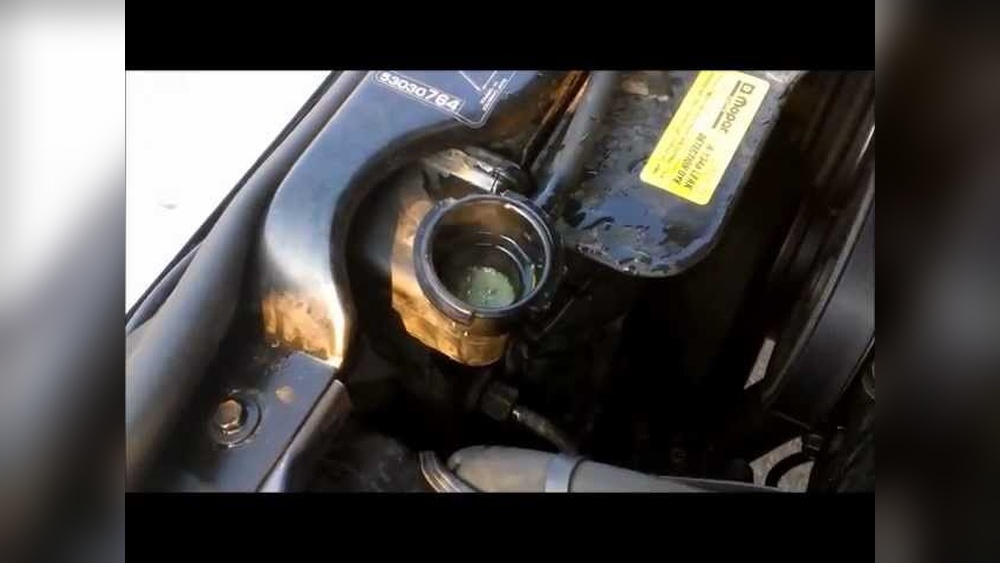
What You Need Before Starting
Having the right tools makes the job faster and safer. Gather these items:
- Coolant (check your owner’s manual for type)
- Clean funnel (preferably spill-proof)
- Gloves and safety glasses
- Flathead screwdriver (for some radiator caps)
- Large catch pan or container
- Rags for spills
Some Jeep models have a bleeder valve. If yours does, you’ll need a small wrench. Always work on a cold engine to avoid burns from hot coolant.
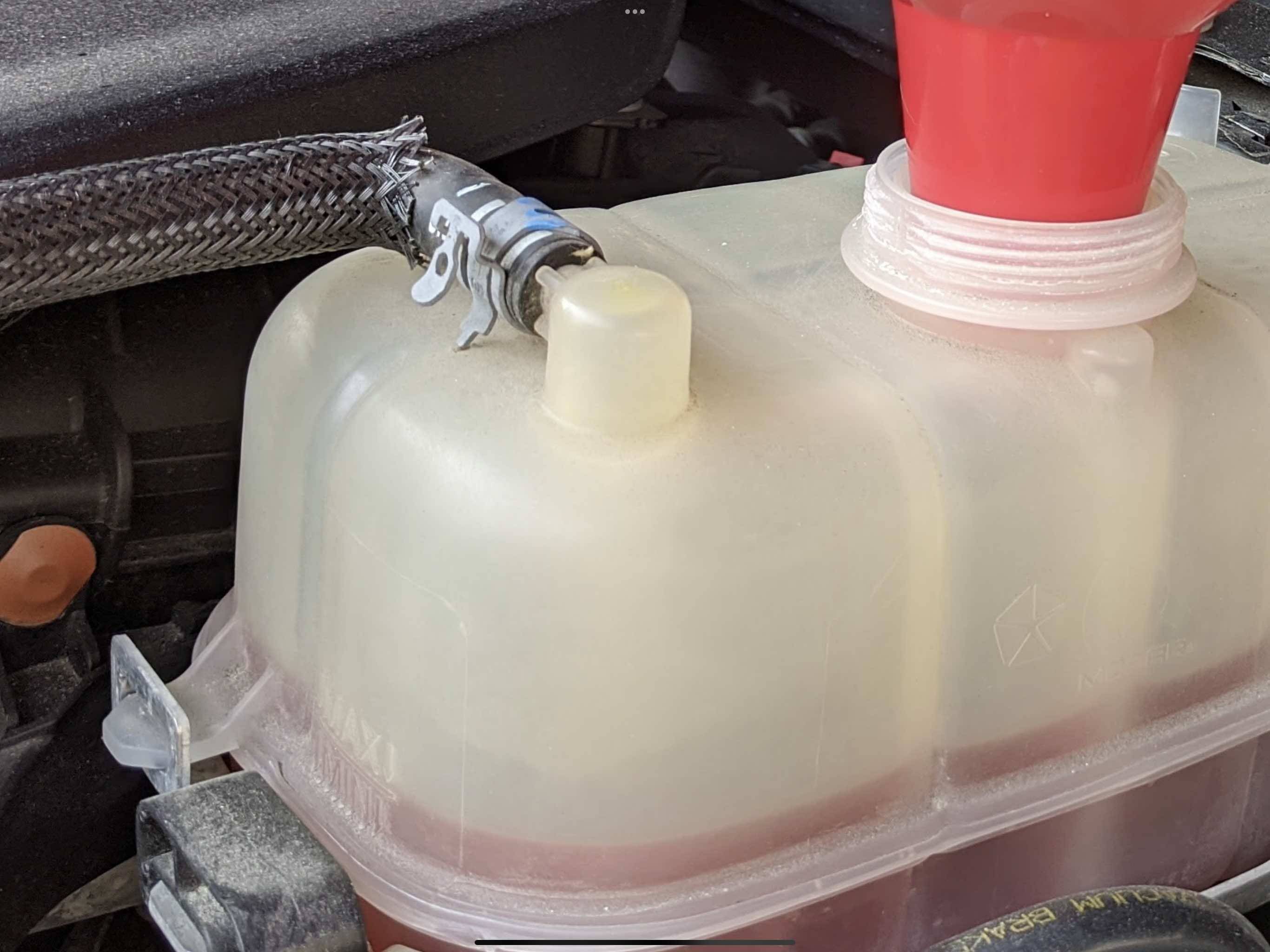
How To Burp A Radiator Jeep: Step-by-step
Follow these steps to remove trapped air and keep your Jeep running cool:
1. Park On A Level Surface
Make sure your Jeep is parked on a flat area. This helps air move toward the radiator cap, making the process more effective.
2. Let The Engine Cool
Never open the radiator when the engine is hot. Wait until the engine is completely cool. Opening the cap while hot can cause hot steam to shoot out, risking burns.
3. Open The Radiator Cap
Put on gloves and safety glasses. Slowly turn the radiator cap counterclockwise to release pressure. If you hear a hissing sound, wait until it stops before removing the cap.
4. Fill The Radiator
Insert a clean funnel into the radiator. Pour coolant until it reaches the top. Also, check and top off the coolant reservoir.
5. Start The Engine
Start your Jeep and let it idle. Set the heater to maximum hot and the fan to high. This opens the heater core so air can escape.
6. Watch Coolant Level
As the engine warms, you may see air bubbles rise in the radiator. The coolant level may drop—add more as needed to keep it full.
7. Squeeze Upper Radiator Hose
Carefully squeeze the upper radiator hose (wear gloves). This helps push trapped air toward the radiator opening. Repeat a few times.
8. Check For Continuous Bubbles
Let the engine reach normal temperature. You might see small bubbles at first, then fewer as air escapes. Once bubbling stops and the coolant level stays steady, most air is gone.
9. Close The Radiator Cap
Turn off the engine and let it cool again. Top off coolant if needed, then firmly replace the radiator cap.
10. Test Drive And Recheck
Drive your Jeep for 10-15 minutes. Watch the temperature gauge. After the drive, let the engine cool, then check coolant level again. Add more if necessary.
Common Mistakes And How To Avoid Them
Many Jeep owners skip important steps. Here’s a quick look at frequent errors:
| Mistake | Why It’s a Problem | How to Avoid |
|---|---|---|
| Opening cap when hot | Risk of burns or injury | Always wait for cool engine |
| Not topping off after test drive | Air pockets can remain | Check level after cooling |
| Ignoring heater setting | Trapped air in heater core | Set to max heat, high fan |
A less obvious tip: Use a spill-proof funnel kit if possible. This creates a higher fill point and makes burping faster, especially on newer Jeeps. Also, if your Jeep has a bleeder valve, open it briefly during the process to let air escape directly.
Special Tips For Jeep Owners
Some Wrangler and Cherokee models have a high-mounted radiator or an inline six-cylinder engine. These designs can trap air more easily. A practical method is to park with the front end raised slightly (ramps or a hill) so air moves toward the radiator cap.
If your Jeep uses HOAT (Hybrid Organic Acid Technology) coolant, never mix with other types. Mixing coolants can reduce effectiveness and cause sludge.
For those who drive off-road, burping the cooling system after water crossings or major bumps is wise. Sudden temperature changes can draw air into the system.
Signs You Need To Burp Again
If you still notice engine overheating or the heater not working after burping, repeat the steps. Sometimes, stubborn air pockets need a second try. Persistent problems may point to other issues, like a failing thermostat or water pump.

Coolant Types: What’s Best For Jeeps?
Choosing the right coolant is essential. Here’s a quick comparison of common types:
| Coolant Type | Color | Typical Jeep Usage |
|---|---|---|
| HOAT | Orange or Yellow | 2001–2012 models |
| OAT | Purple | 2013 and newer |
| Green (IAT) | Green | Older Jeeps (pre-2001) |
Always check your owner’s manual before adding coolant. Using the wrong type can shorten the life of your cooling system.
When To Seek Professional Help
If you repeatedly burp the radiator but still face overheating, consult a mechanic. Problems like a blown head gasket or clogged radiator need expert attention. Also, if you see oil in your coolant or white smoke from the exhaust, get help immediately.
For more details on Jeep cooling systems and troubleshooting, see this helpful Jeep Wrangler guide.
Frequently Asked Questions
Why Does My Jeep Overheat After Coolant Replacement?
Air pockets can get trapped during coolant changes, blocking coolant flow and causing overheating. Burping the radiator removes these air bubbles.
How Often Should I Burp My Jeep’s Radiator?
You should burp the radiator after any coolant change, hose replacement, or major cooling system repair. It’s not needed during routine top-offs.
Can I Drive With Air In The Cooling System?
It’s risky. Air pockets can cause hot spots, warped engine parts, or sudden coolant loss. Always burp the system before regular driving.
Do All Jeeps Need The Same Burping Method?
Most steps are similar, but some Jeeps have special bleeder valves or unique radiator cap locations. Check your service manual for model-specific tips.
What If I See Bubbles But My Heater Works Fine?
Small bubbles may appear during burping, but if your heater works and the temperature gauge stays normal, you’ve likely removed all major air pockets.
Burping your Jeep’s radiator is a simple step that protects your engine and keeps your adventures trouble-free. With the right technique, you’ll avoid overheating and enjoy smoother driving, whether on the highway or off-road.