Rebuilding a Jeep transmission is a challenging job, but it’s possible for skilled DIY mechanics with patience and the right tools. Whether you own a Wrangler, Cherokee, or another Jeep model, restoring your transmission can save thousands of dollars compared to buying new or paying for professional repairs. This guide walks you through the process step by step, highlights common mistakes, and compares costs to help you make smart choices.
Key Preparation Before Rebuild
Before you start, gather these essential items:
- Transmission rebuild kit (includes gaskets, seals, bands, clutches)
- Socket and wrench set
- Torque wrench
- Screwdrivers
- Transmission fluid
- Safety gear (gloves, goggles)
- Shop manual for your Jeep model
Read the shop manual carefully. It will show bolt patterns, torque specs, and the exact layout for your transmission. These details are not always obvious, but they’re crucial—missing a torque spec can lead to leaks or failure later. Many Jeep owners skip the manual, but this often leads to mistakes.
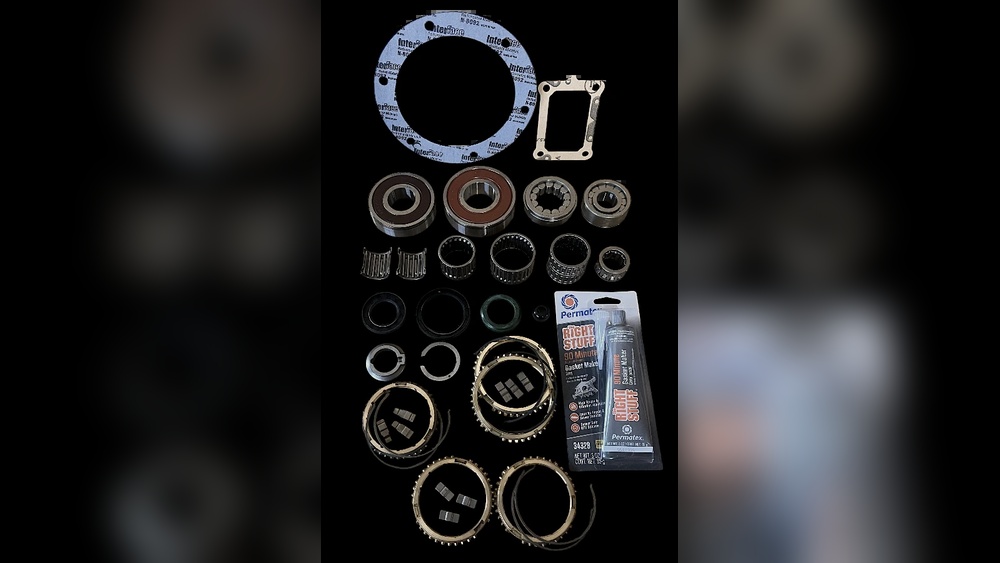
A clean workspace is vital; transmission parts must stay free of dirt and dust. Even tiny particles can cause big problems inside the transmission. Some people use old towels or trays to keep parts separated and clean. If you work outdoors, try to cover your area to keep out wind and debris.
Jeep Transmission Types
Jeep uses several transmission types. Here’s a simple comparison:
| Model | Transmission Type | Complexity |
|---|---|---|
| Wrangler (TJ/JK) | Automatic (42RLE/545RFE), Manual (AX15) | Medium |
| Cherokee (XJ) | Automatic (AW4), Manual (AX15) | Medium |
| Grand Cherokee | Automatic (42RE/545RFE) | High |
Always check your exact model and year before ordering parts. Transmission designs can change from year to year, so the wrong kit or parts can delay your project. For example, the AW4 automatic in the Cherokee has unique solenoids and sensors not found in other Jeep transmissions.
Step-by-step Rebuild Process
1. Remove The Transmission
Disconnect the battery. Lift the Jeep securely with jack stands. Remove the driveshaft, transfer case (if present), and transmission mount bolts. Slide the transmission out carefully—don’t force it. If it’s stuck, check for missed bolts or wiring connectors.
A tip many miss: Label each wire and hose as you disconnect. This makes reassembly much easier later.
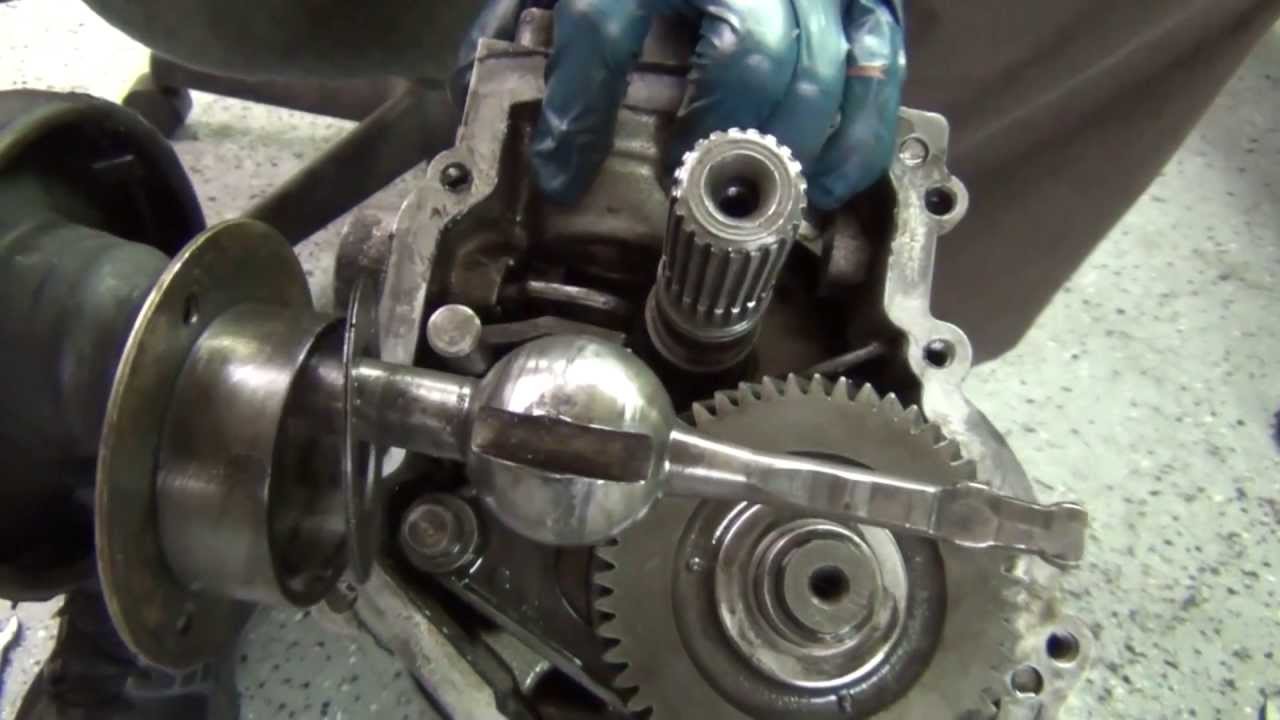
2. Disassemble The Transmission
Lay out parts in order. Take photos as you go for easier reassembly. Remove the pan, filter, valve body, and clutch assemblies. Inspect each part for wear or damage. If you spot cracks or burned clutches, replace them.
Some Jeep transmissions have small check balls and springs inside the valve body. These can easily fall out and get lost. Keep a tray or magnetic dish nearby to catch loose parts.
3. Clean And Inspect
Use a transmission cleaning solvent. Clean every part, especially the valve body and clutch packs. Check for metal shavings—these are signs of serious wear. Replace any worn bushings, seals, or bands.
Look closely at the planetary gears and the pump. If you see scoring or pitting, these parts need replacement. Don’t reuse parts with visible damage; it will cause problems after reassembly.
4. Replace Parts
Install new gaskets, seals, and clutches from your rebuild kit. Pay attention to torque specs—too tight or too loose can cause leaks or failure. Use the shop manual for the correct sequence.
Many beginners forget to lubricate new seals and clutches during installation. Always use a little transmission fluid to help parts slide into place and prevent tearing.
5. Reassemble And Install
Reverse your disassembly steps. Use your photos for reference. Align the transmission with the engine carefully. Tighten bolts to the recommended torque. Reconnect the driveshaft and transfer case.
It’s helpful to ask a friend to help lift and align the transmission. Trying to install alone increases the risk of damaging seals or misaligning the input shaft.
6. Fill With Fluid And Test
Add fresh transmission fluid. Start the Jeep and check for leaks. Shift through all gears; listen and feel for any unusual noises or hesitation.
After the first test drive, check fluid levels again. Sometimes fluid settles or leaks appear after warming up. Watch for delayed shifts or slipping, which can mean air is trapped in the system or fluid is low.
Common Mistakes And How To Avoid Them
- Skipping inspection: Always check for hidden damage. Even tiny cracks can ruin your rebuild.
- Wrong torque settings: Use a torque wrench and follow the manual. Overtightening can warp parts.
- Dirty workspace: Dust or grit can destroy new seals and clutches.
- Missing small parts: Springs and clips are easy to lose. Keep them organized.
An insight many beginners miss: Transmission fluid type matters. Using the wrong fluid can cause shifting problems and damage. Always use the fluid recommended for your Jeep. For example, ATF+4 is needed for many Jeep automatics, but Dexron III is used in others. Mixing fluids can cause clutch pack slippage or valve body sticking.
Another overlooked detail: Some rebuild kits include extra parts for different models. Compare your old parts to new ones and only use what matches your transmission.
Cost And Time Comparison
How much does a rebuild cost compared to other options? Here’s a quick comparison:
| Option | Average Cost | Time Required |
|---|---|---|
| DIY Rebuild | $250–$600 (kit & tools) | 20–30 hours |
| Professional Rebuild | $1,500–$3,000 | 5–7 days |
| New Transmission | $2,000–$4,500 | 1–2 days |
If you have the skills and time, rebuilding yourself is much cheaper. But it does require patience and careful attention to detail. Some shops offer warranties, which can be useful if you drive off-road often or tow heavy loads.
DIY rebuilds also save money by avoiding labor costs, but remember the time needed—rushing leads to mistakes. Many people split the work over weekends to avoid fatigue.

Practical Tips For Success
- Label every part as you remove it.
- Use zip-top bags for bolts and small pieces.
- Take breaks—rushing increases mistakes.
- Double-check fluid levels after the first drive.
- If you’re unsure, consult forums or a mechanic.
If you’re new to transmission work, watch video tutorials for your Jeep model before starting. Seeing each step helps avoid confusion. Also, keep your phone handy for photos—these will help you remember part locations.
Many Jeep owners find helpful advice and diagrams in online communities. For more technical details, visit the Wikipedia Transmission Guide.
Frequently Asked Questions
How Long Does A Jeep Transmission Rebuild Take?
Most DIY rebuilds take 20–30 hours spread over several days. Professionals finish in about a week. If you have experience, you may finish faster, but don’t rush—careful work prevents mistakes.
What Signs Show A Transmission Needs Rebuilding?
Look for slipping gears, rough shifts, fluid leaks, or grinding noises. If you smell burning or see metal in the fluid, a rebuild is needed. Sometimes, warning lights on the dashboard may also indicate transmission trouble.
Can I Rebuild A Jeep Transmission Without Special Tools?
You need basic tools, but some special items (like a snap ring pliers or seal installer) are required for certain steps. It’s best to borrow or rent these. Some auto parts stores offer tool rental, which saves money.
What Is The Most Common Mistake During Rebuilds?
Missing small parts or incorrect torque settings. Keep parts organized and always use a torque wrench. Double-check each step before moving on.
How Do I Know If My Jeep Uses An Automatic Or Manual Transmission?
Check your owner’s manual or look at the gear shifter. Automatic gearboxes usually have “PRNDL” markings; manuals have a pattern with numbers. If you’re not sure, search your VIN online for full specs.
Rebuilding a Jeep transmission is a big project, but it’s rewarding for hands-on owners. With careful planning and attention to detail, you can restore your vehicle’s performance and save money. Always work safely and don’t hesitate to ask for help if needed.
Learning the process builds confidence and gives you valuable mechanical skills for future repairs.