If you drive a Jeep Compass, you know the feeling: you start your car and see the tire pressure light glowing on your dashboard. Sometimes, this light means a tire is low. Other times, it stays on even after refilling your tires. This can be confusing and stressful, especially if you’re not sure how to reset it. The good news is, you can reset the tire pressure light yourself with a few simple steps. Let’s walk through the process and make sure your Jeep Compass is ready for the road.
Why The Tire Pressure Light Turns On
The tire pressure monitoring system (TPMS) keeps you safe by warning you when one or more tires are underinflated. This system checks your tire pressure constantly using sensors in each wheel. If the air in any tire drops below the recommended level, the light turns on.
Sometimes, the light stays on even after adding air. This can happen if:
- The tires were overinflated and then deflated
- The sensors need time to recalibrate
- There’s a sensor malfunction or battery problem
Understanding these causes helps you fix the issue faster.
Checking And Adjusting Tire Pressure
Before resetting the light, make sure all tires have the correct pressure. This step is important because the TPMS will not reset if a tire is still low.
- Find the recommended pressure for your Jeep Compass. Look for a sticker inside the driver’s door or check your owner’s manual. Most models need 32-35 PSI.
- Use a digital tire gauge for an accurate reading. Remove the valve cap and press the gauge onto the valve stem.
- Add or release air as needed. At gas stations, most air machines are free or cost less than a dollar.
- Don’t forget the spare tire. Some Compass models have a sensor in the spare.
Here’s a quick comparison of pressure recommendations for recent Jeep Compass models:
| Model Year | Front Tire PSI | Rear Tire PSI | Spare Tire PSI |
|---|---|---|---|
| 2017-2019 | 33 | 33 | 60 |
| 2020-2023 | 35 | 35 | 60 |
Always check with your specific manual for the most accurate numbers.
How To Reset Tire Pressure Light On Jeep Compass
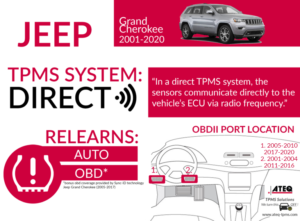
After setting the right pressure, the light should turn off after a short drive. If it doesn’t, follow these steps to manually reset the TPMS:
- Turn on the ignition without starting the engine. This wakes up the sensors.
- Drive at 15 mph or higher for at least 10 minutes. The system often needs motion to recognize changes.
- If the light is still on, turn off the engine and wait 20-30 seconds, then restart.
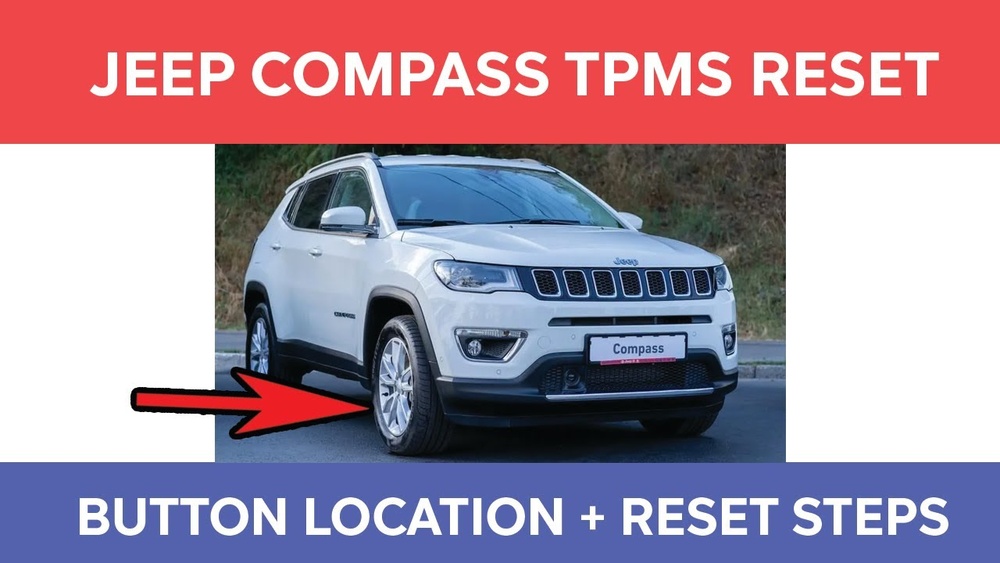
- Some models have a TPMS reset button. It’s usually under the steering wheel or near the fuse box. Press and hold until the light blinks three times, then release.
- If your Compass uses a touchscreen, check the vehicle settings menu for a TPMS reset option.
Here’s a table comparing different Jeep Compass generations and their TPMS reset methods:
| Year Range | Reset Method | Has Reset Button? |
|---|---|---|
| 2011-2016 | Drive or button under steering wheel | Yes |
| 2017-2023 | Drive, restart, or menu option | No (menu-based) |
If the light stays on after these steps, there may be a sensor problem.
What If The Light Still Won’t Go Off?
When the light refuses to turn off, don’t ignore it. Driving with the TPMS warning can hide real tire problems. Here’s what you should do:
- Double-check the air in all tires, including the spare.
- Look for a nail, screw, or visible damage.
- Try disconnecting the battery for five minutes to reset the car’s computer. This should be a last resort.
- Visit a certified mechanic or a Jeep dealership for a diagnostic scan. They have special tools to check TPMS sensors.
Many TPMS sensors have batteries that last 5-10 years. When they fail, the only fix is replacement. This is a common issue as a Jeep ages.
Common Mistakes To Avoid
Resetting the tire pressure light is simple, but small errors can make it frustrating. Avoid these mistakes:
- Ignoring the spare tire sensor
- Using a cheap or broken tire gauge
- Not checking pressure when tires are cold (heat increases PSI)
- Forgetting to drive for a few miles after refilling
A non-obvious tip: colder weather lowers tire pressure. If the light comes on during winter, it may not mean a leak—just chilly air shrinking the pressure.
When To Seek Professional Help
If you’ve tried all steps and the light is still on, don’t wait too long. A mechanic can quickly spot sensor failures or wiring issues. Also, if you see a blinking TPMS light (instead of steady), it usually means a system fault, not just low pressure.
TPMS is a safety feature. Fixing it quickly can prevent accidents and save money on tire repairs.

Benefits Of A Working Tpms
Keeping your Jeep Compass TPMS in top shape gives you:
- Safer driving: Well-inflated tires grip the road better and stop faster.
- Better fuel economy: Low tires waste gas.
- Longer tire life: Even pressure means even wear.
For more information on tire pressure monitoring, check the official NHTSA resource.
Frequently Asked Questions
How Long Does It Take For The Tire Pressure Light To Reset After Adding Air?
Usually, the light turns off after driving for 10 to 20 minutes above 15 mph. If it stays on, follow the reset steps.
Can I Drive With The Tire Pressure Light On?
You can, but it’s risky. The light means at least one tire is underinflated, which can cause a blowout or poor handling.
Do I Need A Special Tool To Reset The Tpms On My Jeep Compass?
Most drivers don’t. Resetting usually happens automatically after correcting the pressure. Some repair shops use TPMS scan tools for deeper problems.
Will Changing My Tires Affect The Tpms?
Yes. If the sensors are damaged or not transferred to the new tires, the warning light will stay on. Ask your tire shop to move or replace the sensors during tire changes.
Why Does My Jeep Compass Tire Pressure Light Come On In Cold Weather?
Cold air causes tire pressure to drop. Even a small temperature change can trigger the light. Check and adjust your tire pressure when the tires are cold for the most accurate reading.
Taking a few minutes to reset your Jeep Compass tire pressure light keeps you safe and saves time. With the right steps, you’ll be ready to drive with confidence.