If you drive a Jeep Cherokee, you might have seen the “No Bus” message on your dashboard. This warning looks strange and can worry many drivers. It means your Jeep cannot communicate with important computer parts. When this happens, your speedometer, fuel gauge, and other instruments may stop working. Fixing “No Bus” is not always simple, but you can solve it by understanding the causes and following clear steps.
What Does “no Bus” Mean?
The “No Bus” error shows that the vehicle’s computers are not talking to each other. The main system in your Jeep Cherokee uses a network called the CAN bus. This is like a telephone line inside your car, connecting the engine, dashboard, transmission, and other parts. If the “No Bus” message appears, one or more modules can’t send or receive information.
In most cases, you will notice:
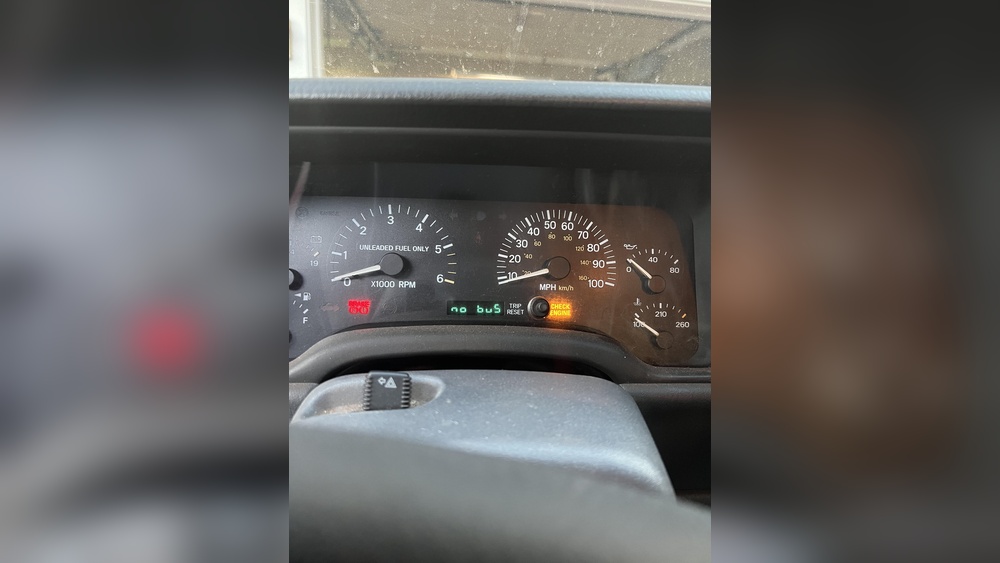
- Dead gauges (speedometer, tachometer)
- Warning lights on or flashing
- No communication with scan tools
- Sometimes, the Jeep won’t start
Common Causes Of “no Bus” In Jeep Cherokee
Understanding the reason for the “No Bus” error helps you fix it faster. Here are the most usual causes:
- Bad connections – Loose, corroded, or broken wires near the dashboard or engine.
- Faulty sensors – Especially the crankshaft position sensor or camshaft sensor.
- Failed PCM (Powertrain Control Module) – The main computer sometimes stops working.
- Short circuits – Water or damage causing electrical shorts.
- Instrument cluster issues – Problems inside the dashboard gauges.
Let’s compare the main causes and their symptoms:
| Cause | Typical Symptoms | Difficulty Level |
|---|---|---|
| Bad Connections | Random “No Bus”, flickering lights | Easy |
| Faulty Sensors | “No Bus” at startup, engine won’t run | Medium |
| PCM Failure | Permanent “No Bus”, Jeep won’t start | Hard |
| Short Circuits | “No Bus” after rain or washing | Medium |
| Instrument Cluster | Only gauges fail, Jeep runs fine | Easy |
Step-by-step Guide To Fix “no Bus” On Jeep Cherokee
As a straight-to-the-point helper, here is how you can fix this issue yourself. These steps work for most Jeep Cherokee models from 1997 to 2004.
1. Check Battery And Connections
Low battery voltage or corroded terminals can cause communication errors.
- Inspect battery terminals for corrosion.
- Clean with a wire brush and baking soda solution.
- Tighten all connections.
2. Inspect Fuses And Relays
A blown fuse can cut power to the network.
- Locate the fuse box under the hood and inside the cabin.
- Check fuses related to PCM, instrument cluster, and sensors.
- Replace any blown fuses.
3. Examine Wiring Harness
Wires near the engine or dashboard may loosen or break.
- Look for damaged wires, especially near the PCM and sensors.
- Repair broken wires with solder or high-quality connectors.
- Secure loose harnesses to prevent vibration.
4. Test The Crankshaft And Camshaft Sensors
These sensors often fail and cause “No Bus”.
- Unplug the sensor and see if the “No Bus” message disappears.
- If yes, replace the sensor with an OEM part.
- Use a scan tool to check sensor data.
5. Inspect Pcm And Connections
The PCM is usually under the hood, near the firewall.
- Disconnect the PCM and reconnect after 10 minutes.
- Check for bent or corroded pins.
- If the error stays, consider professional testing or replacement.
6. Check Instrument Cluster
A failed cluster can break the network.
- Remove the cluster and inspect the connector.
- Clean contacts with electrical spray.
- Reinstall and test. If still broken, replace the cluster.
Here’s a comparison of repair costs:
| Part/Repair | Estimated Cost (USD) | DIY Possible? |
|---|---|---|
| Battery Cleaning | $10-$30 | Yes |
| Fuse Replacement | $5-$20 | Yes |
| Sensor Replacement | $40-$100 | Yes |
| PCM Replacement | $300-$700 | No |
| Cluster Repair | $120-$300 | Yes |
Extra Tips For Troubleshooting
Many beginners forget these important points:
- Always disconnect the battery before working on electronics.
- Use a scan tool to check which module is not responding.
- Water leaks under the dashboard can cause hidden wiring problems.
- Avoid using cheap replacement sensors; they fail quickly.

When To Call A Professional
If you have tried the steps above and “No Bus” remains, call a trusted mechanic. Some issues, like PCM failure or deep wiring faults, need special tools and knowledge. Working with airbag modules or high-voltage parts is dangerous without training.
Preventing Future “no Bus” Errors
Taking care of your Jeep Cherokee can stop many “No Bus” problems.
- Check wiring and connectors every 6 months.
- Keep the battery and terminals clean.
- Fix leaks in the dashboard area quickly.
- Use quality parts for repairs.
For more technical information, visit the official Jeep website.

Frequently Asked Questions
What Is The Can Bus In A Jeep Cherokee?
The CAN bus is a digital network connecting computers and sensors in your Jeep. It lets parts like the engine and dashboard share information quickly.
Can I Drive With The “no Bus” Message?
You can drive if the Jeep starts and runs normally, but gauges and warning lights may not work. Driving without information about speed or fuel is risky.
How Do I Know Which Sensor Is Causing “no Bus”?
A scan tool can help find the faulty sensor. If you unplug a sensor and the “No Bus” message disappears, that sensor may be the cause.
Is Pcm Replacement Expensive?
Yes, replacing the PCM is costly. New units can cost $300–$700, and programming needs a professional. Used PCMs are cheaper but risky.
What’s The Most Common Cause Of “no Bus” On Older Cherokees?
The crankshaft position sensor fails often in Cherokees from 1997–2001. Loose battery or PCM connectors also cause the error.
Fixing “No Bus” on your Jeep Cherokee takes patience and careful checking. By following these steps, you can solve most problems yourself and avoid expensive repairs. Your Jeep will run safer and smoother, and you’ll understand more about its systems.