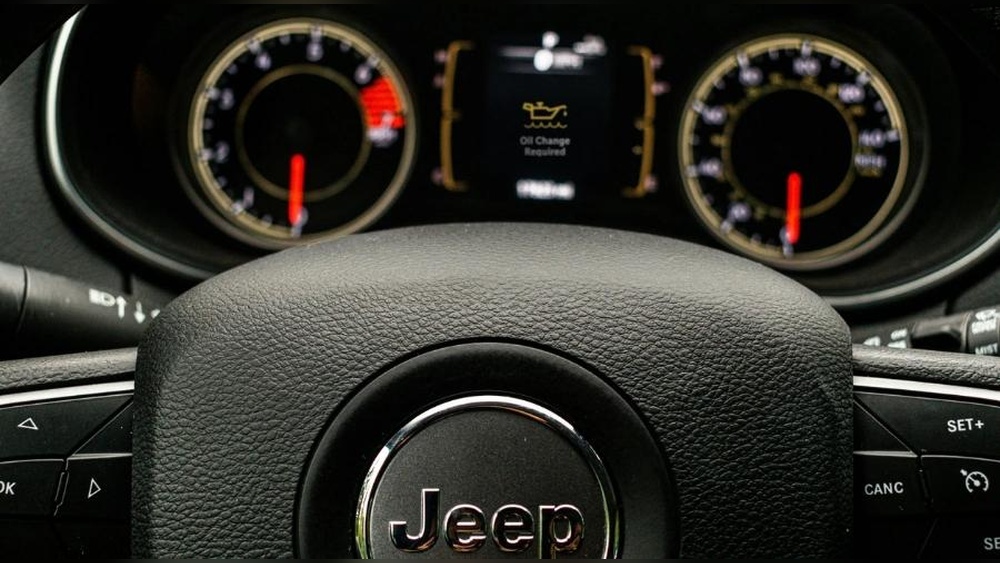
Owning a Jeep Wrangler is a dream for many adventure lovers. This vehicle is famous for its off-road abilities, but using the 4WD system can be confusing for beginners. If you want to drive your Wrangler confidently on tough terrain, learning how to use the 4WD modes is essential. This guide explains the process clearly, so you can enjoy safe and exciting off-road trips.
Understanding Jeep Wrangler 4wd Systems
Wranglers typically have two main 4WD systems: part-time and full-time. The part-time system is common in older models and base trims. Full-time is available in newer, more advanced trims. Knowing which system you have helps you use the correct mode for each situation.
| 4WD System | Common Models | Key Feature |
|---|---|---|
| Part-Time | Sport, Rubicon | Manual selection |
| Full-Time | Sahara, High Altitude | Automatic adjustment |
Part-time systems require you to switch between 2WD and 4WD. Full-time systems manage this automatically, but you can still select special modes for rough terrain.
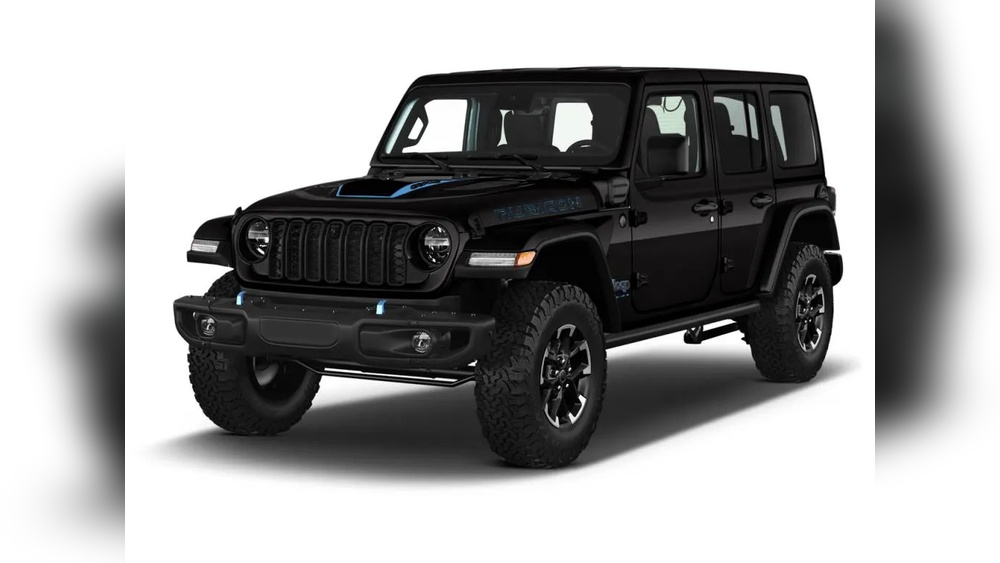
The 4wd Modes Explained
Jeep Wranglers offer several 4WD modes. Here’s what each mode does:
- 2H (Two-Wheel Drive High): Most fuel-efficient. Use for regular roads.
- 4H (Four-Wheel Drive High): Good for slippery surfaces like snow, mud, or sand.
- N (Neutral): Used for towing.
- 4L (Four-Wheel Drive Low): For extreme off-road conditions like rocks and deep mud.
Not all Wranglers have a full-time 4WD mode. Always check your owner’s manual to confirm your options.
| Mode | When to Use | Speed Limit |
|---|---|---|
| 2H | Dry pavement | No limit |
| 4H | Rain, snow, sand | Below 55 mph |
| 4L | Steep hills, deep mud | Below 25 mph |
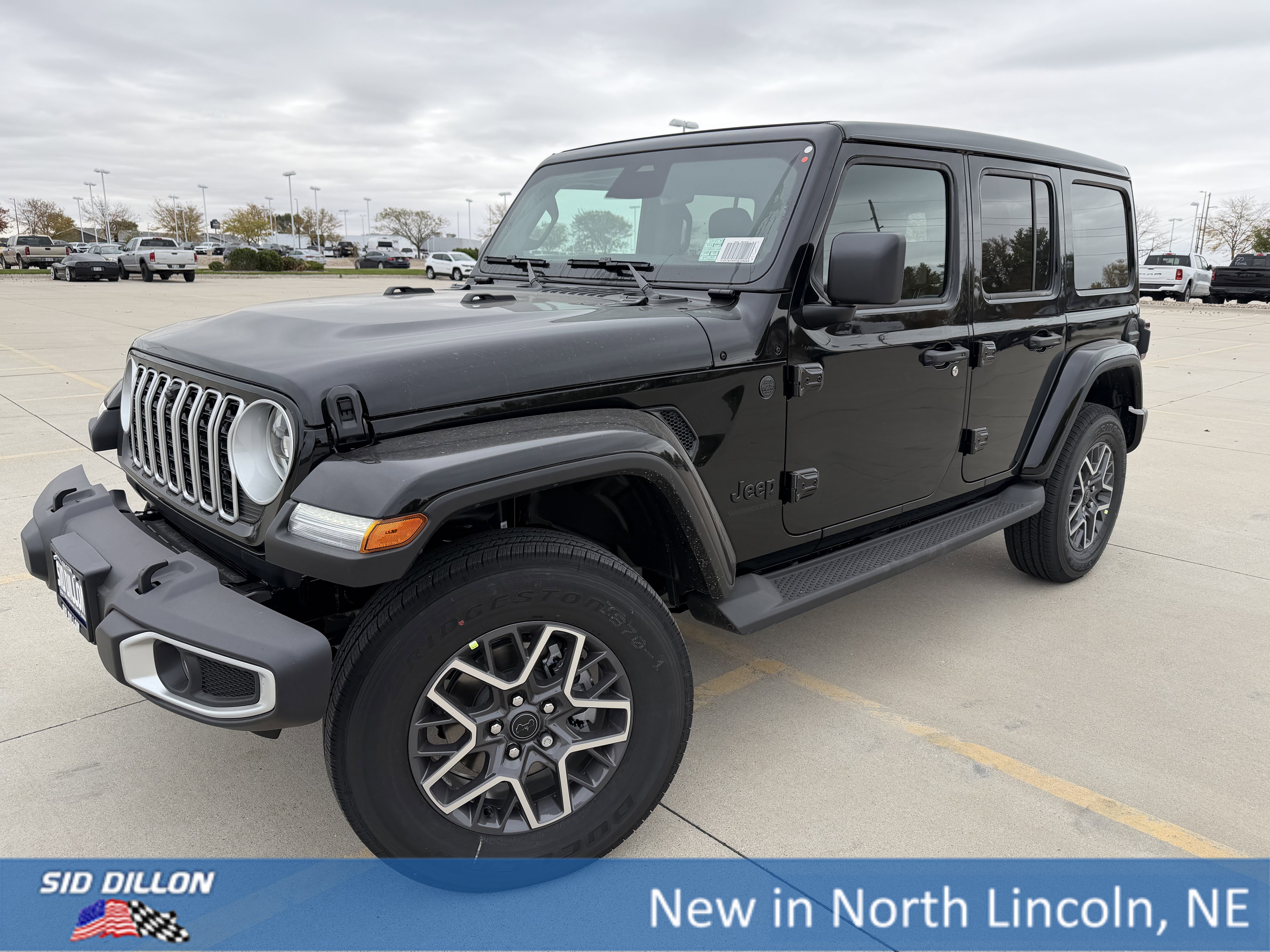
How To Engage 4wd In Jeep Wrangler
Switching to 4WD is simple, but must be done correctly. Follow these steps for safe operation:
Engaging 4h (four-wheel Drive High)
- Slow down to under 55 mph.
- Keep the Wrangler in Drive (automatic) or neutral (manual).
- Pull the lever from 2H to 4H. Do this in one smooth motion.
- The 4WD indicator light should turn on.
You can shift to 4H while driving, but avoid sudden jerks. If the light does not come on, try shifting again.
Engaging 4l (four-wheel Drive Low)
- Stop the vehicle completely.
- Put the transmission in neutral.
- Firmly pull the lever from 4H to 4L.
- Wait for the 4WD low indicator to light up.
Never shift into 4L while moving. This mode is only for slow speeds and tough terrain.
Returning To 2h
- Bring the Jeep to a steady speed (below 55 mph).
- Push the lever back to 2H.
- Confirm the indicator light switches off.
If you hear grinding or feel resistance, stop and try again. Forcing the lever can damage the transfer case.
Practical Tips For Beginners
Many new Jeep owners miss important details when using 4WD. Here are two non-obvious insights:
- Use 4WD modes only when needed. Driving in 4H or 4L on dry pavement causes stress on the drivetrain and may lead to damage.
- Check tire pressure before going off-road. Uneven or low pressure makes 4WD less effective and increases the risk of getting stuck.
Always listen for unusual noises after shifting 4WD modes. If you hear loud clunks or grinding, stop and inspect for issues. Many beginners forget to check the transfer case fluid; this is vital for smooth operation.

Common Mistakes When Using 4wd
It’s easy to make errors if you’re new to off-roading. Here are some mistakes to avoid:
- Shifting to 4L while moving: This can cause major mechanical problems.
- Using 4WD on dry roads: Leads to tire wear and damages the transfer system.
- Ignoring dashboard lights: Warning lights mean there is a problem. Don’t ignore them.
- Not reading the manual: Each Jeep model can have small differences in the 4WD system.
| Mistake | Consequence | Prevention |
|---|---|---|
| Wrong mode on dry pavement | Drivetrain damage | Only use 4WD for slippery or rough surfaces |
| Shifting 4L while moving | Transfer case failure | Always stop before shifting |
| Ignoring indicator lights | System malfunction | Read manual and check lights |
Safety And Maintenance Advice
Before every off-road trip, inspect your Wrangler’s 4WD components. Look for leaks, check fluid levels, and make sure the transfer case lever moves freely. After using 4WD, drive in 2H for a few miles to let the system cool down.
It’s also smart to join a local Jeep club or attend off-road training. You’ll learn from experienced drivers and build confidence faster. For more technical details, visit the Four-wheel drive Wikipedia page.

Frequently Asked Questions
How Fast Can I Drive In 4h?
You can drive up to 55 mph in 4H. It’s best for wet, snowy, or sandy roads. Going faster is not recommended and can stress the system.
Can I Use 4wd On Pavement?
No. 4WD is only for slippery or rough surfaces. Using it on dry pavement can cause tire and drivetrain damage.
How Do I Know If 4wd Is Working?
Check the dashboard indicator light. If it’s on and you feel extra grip, the system is engaged. If you notice warning lights or strange noises, stop and inspect.
What If The Lever Is Hard To Move?
Sometimes the transfer case lever sticks. Try shifting while gently rolling the vehicle. If it remains stuck, check the manual or contact a mechanic.
Does 4wd Improve Fuel Economy?
No. 4WD uses more fuel than 2WD. Only use it when necessary to avoid wasting gas.
Driving a Jeep Wrangler in 4WD opens a world of adventure, but the key is using the system wisely. With these steps, tips, and safety advice, you’ll be ready to tackle tough terrain and enjoy your Jeep to the fullest.
Always respect your Wrangler’s limits, follow the manual, and drive safely.