Hotwiring a vehicle is a topic that sparks curiosity, especially around older models like the Jeep Cherokee. While modern cars have advanced security systems, many older vehicles can be started without a key. This guide is for educational purposes only, helping you understand how the process works and why it’s important to rely on proper methods for emergencies or lost keys. Never use this knowledge for illegal activities.
Understanding Vehicle Electrical Systems
Before you try to hotwire a Jeep Cherokee, it helps to know the basics of its electrical system. The ignition system is designed to control the flow of electricity, allowing the engine to start only when the key is used. In most older Jeep Cherokees (pre-2000), the system is less complicated than newer models.
- The ignition switch connects the battery, starter, and fuel system.
- Older models do not have electronic immobilizers, which makes hotwiring possible.
- Wires involved are often color-coded, but this can change between years.
| Component | Function | Typical Wire Color |
|---|---|---|
| Ignition Switch | Activates starter, fuel | Red, Yellow, Brown |
| Starter | Turns engine over | Yellow |
| Fuel Pump | Feeds fuel to engine | Green |
Tools And Safety Precautions
Hotwiring requires some tools and careful handling. You’ll need:
- Screwdriver (flat-head)
- Wire stripper
- Electrical tape
- Gloves for safety
Always make sure you are not in a public place, and the car is legally yours. Touching live wires can cause electric shock or fire. Never rush the process.
Key Safety Tips
- Disconnect the battery if possible before starting.
- Keep a fire extinguisher nearby.
- Work in a well-lit area.

Step-by-step Guide: Hotwiring A Jeep Cherokee
This section explains the process for older Jeep Cherokees, especially those from the late 1980s to late 1990s.
1. Access The Ignition Wires
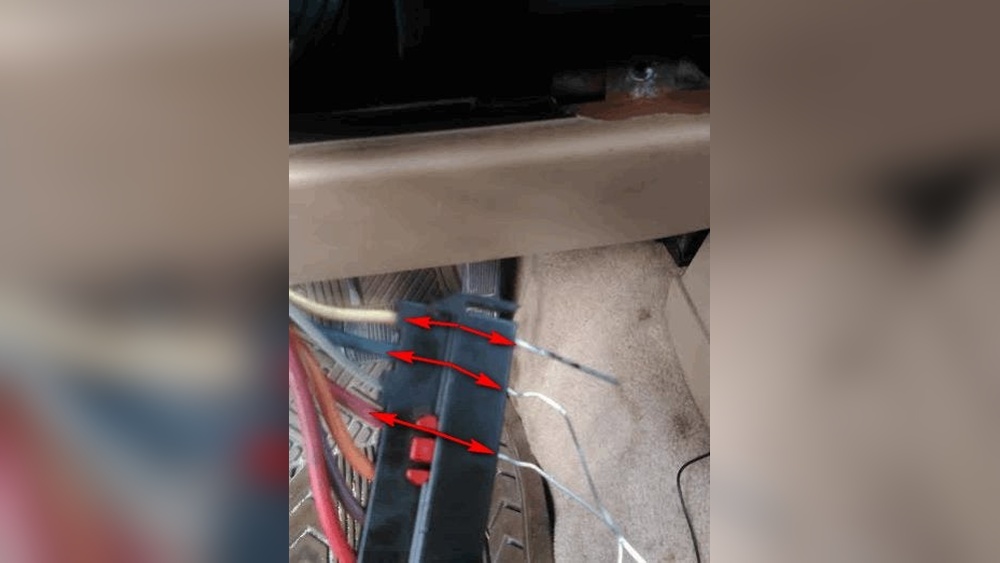
Remove the plastic cover under the steering column. Use a screwdriver to loosen screws. You will see bundles of wires, usually held together with clips.
2. Identify The Correct Wires
Look for three main wires:
- Battery wire (usually red)
- Ignition wire (often brown or yellow)
- Starter wire (yellow or green)
If unsure, check the vehicle’s wiring diagram. Mistaking wires can damage the electrical system.
| Wire | Purpose | Risk if Misconnected |
|---|---|---|
| Red (Battery) | Power source | Short circuit |
| Brown/Yellow (Ignition) | Starts engine | Engine won’t start |
| Yellow/Green (Starter) | Engages starter motor | Starter damage |
3. Strip And Connect Wires
Use the wire stripper to expose about half an inch of each wire’s copper. Twist the battery wire and ignition wire together. This turns on the dash lights and fuel pump.
4. Start The Engine
Touch the starter wire to the connected battery/ignition wires for just a second. The engine should turn over and start. Once it’s running, remove the starter wire. Secure the battery and ignition wires together with electrical tape.
5. Secure The Wiring
If you plan to drive, cover exposed wires with tape to prevent shorts. Replace the plastic cover if possible.
6. Stop The Engine
To turn off the engine, untwist the battery and ignition wires. The engine will shut down.
Common Problems And Troubleshooting
Hotwiring isn’t always smooth. Some issues you might face:
- Car doesn’t start: Double-check wire connections and colors.
- Engine turns but won’t run: Fuel pump wire may not be connected.
- Alarm triggered: Disconnect battery and wait a few minutes.
Many beginners forget to reconnect the fuel pump wire, which stops the engine from running even if it turns over.

Legal And Ethical Considerations
Hotwiring should only be used in emergencies, like losing your keys. It is illegal to use this method for stealing or unauthorized access. Most US states have strict laws. If you need a new key, contact your dealer or locksmith.
According to the National Insurance Crime Bureau, auto theft rates dropped by 30% after 2000 due to improved security systems. This is why newer Jeeps are much harder to hotwire.
Practical Alternatives To Hotwiring
Instead of hotwiring, consider these safer options:
- Call a locksmith for key replacement.
- Use a spare key if available.
- Contact your Jeep dealer for electronic key programming.
Hotwiring can cause permanent damage to the electrical system, costing hundreds of dollars in repairs.
| Method | Cost Estimate | Risk Level |
|---|---|---|
| Hotwiring | $0 (DIY), $300+ (repairs) | High |
| Locksmith | $75–$150 | Low |
| Dealer Key | $120–$250 | Very Low |

Frequently Asked Questions
Is Hotwiring Possible On Newer Jeep Cherokees?
No, newer models (after 2000) have electronic immobilizers and advanced security. Hotwiring is almost impossible without specialized equipment.
Will Hotwiring Damage My Jeep Cherokee?
Yes, improper hotwiring can burn wires, damage the starter, and cause electrical failures. Repairs can cost $300 or more.
What If I Connect The Wrong Wires?
Connecting the wrong wires can cause short circuits or even fires. Always check the wiring diagram and proceed with caution.
Are There Legal Consequences For Hotwiring?
Yes, hotwiring someone else’s car is illegal and can lead to jail time. Only use this method for your own vehicle and emergencies.
Where Can I Find Official Jeep Cherokee Wiring Diagrams?
You can find authentic wiring diagrams from the Jeep manufacturer site or resources like AutoZone Repair Guides.
Hotwiring a Jeep Cherokee is a risky process and should only be considered in emergencies. Understanding the steps, risks, and legal issues helps you make a safe choice. If you’re not sure, contact a professional for help. Always keep your vehicle secure, and avoid shortcuts that can cause costly damage.