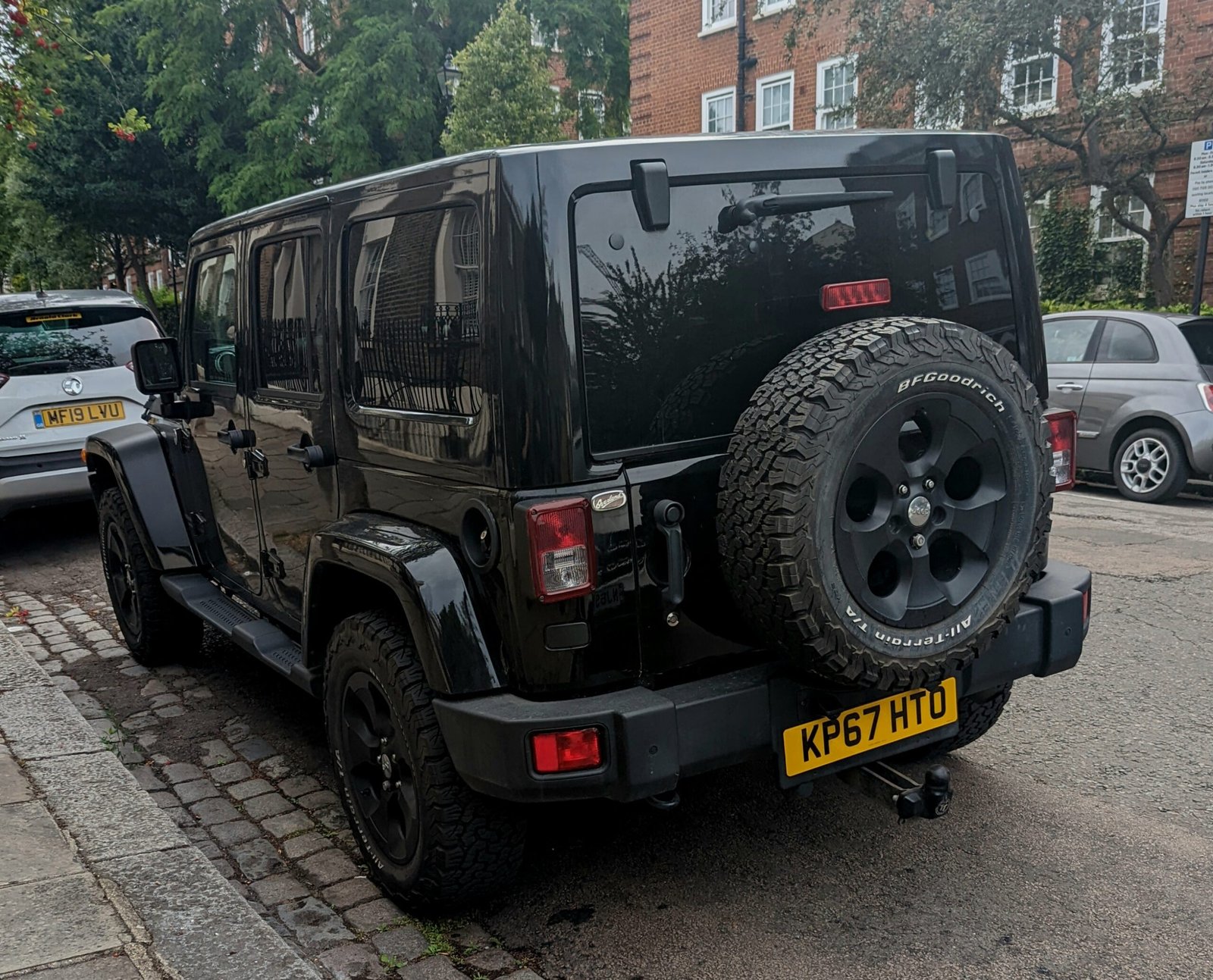
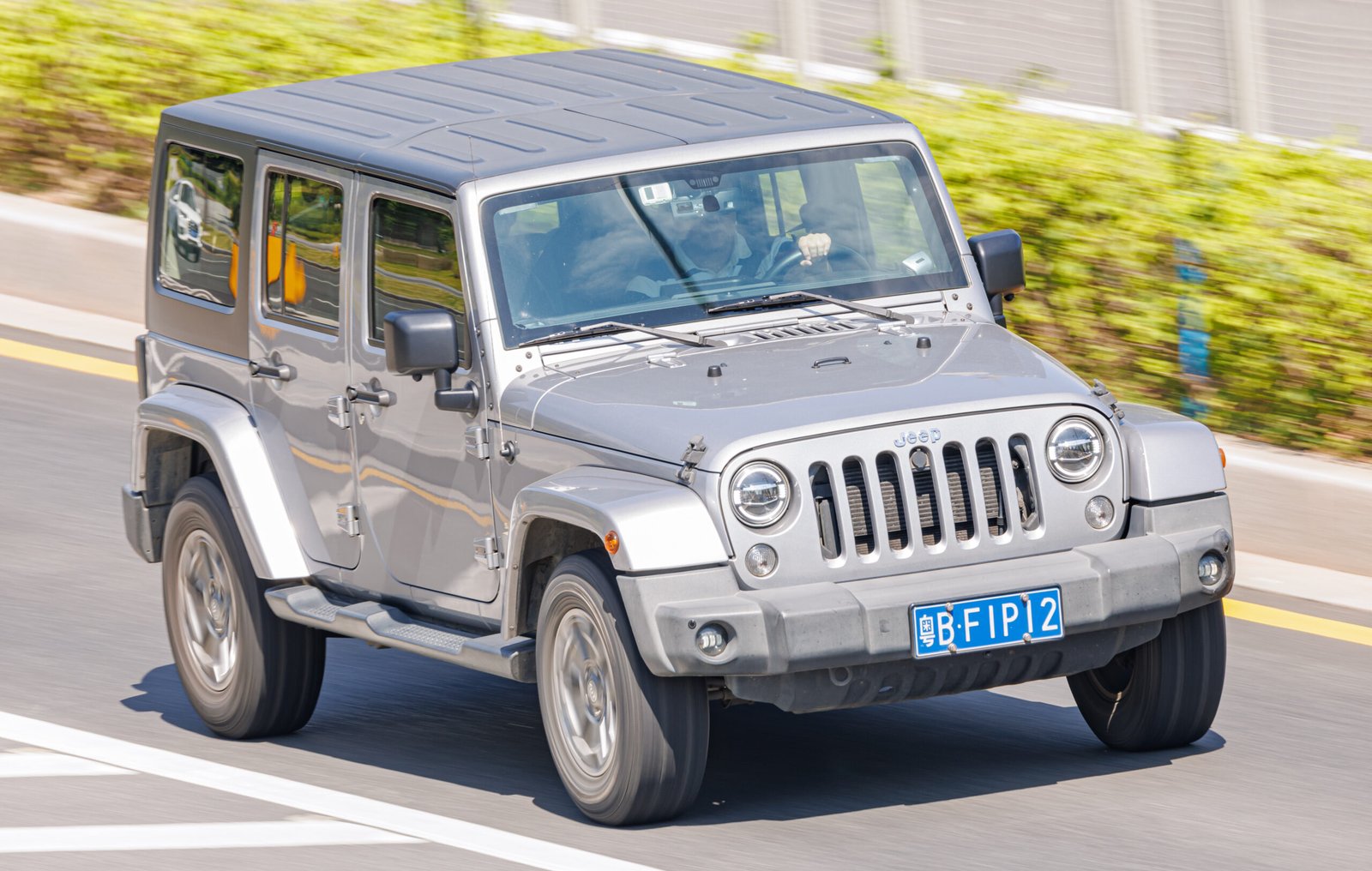
Driving a Jeep Wrangler is exciting, especially when you use its 4×4 system. This feature helps you drive safely on rough roads, mud, snow, and off-road trails. Many owners feel unsure about how and when to use the different 4×4 modes. If you want to protect your Jeep and enjoy its full power, you need to understand each setting. This guide explains how to use all four main 4×4 modes in a Jeep Wrangler, with practical tips and clear examples.
Understanding Jeep Wrangler 4×4 Modes
Jeep Wranglers have four main 4×4 modes:
- 2H (Two-Wheel High)
- 4H (Four-Wheel High)
- 4L (Four-Wheel Low)
- Neutral (N)
Each mode is designed for specific driving conditions. Choosing the right mode improves safety, saves fuel, and prevents damage. Let’s look at each mode closely.
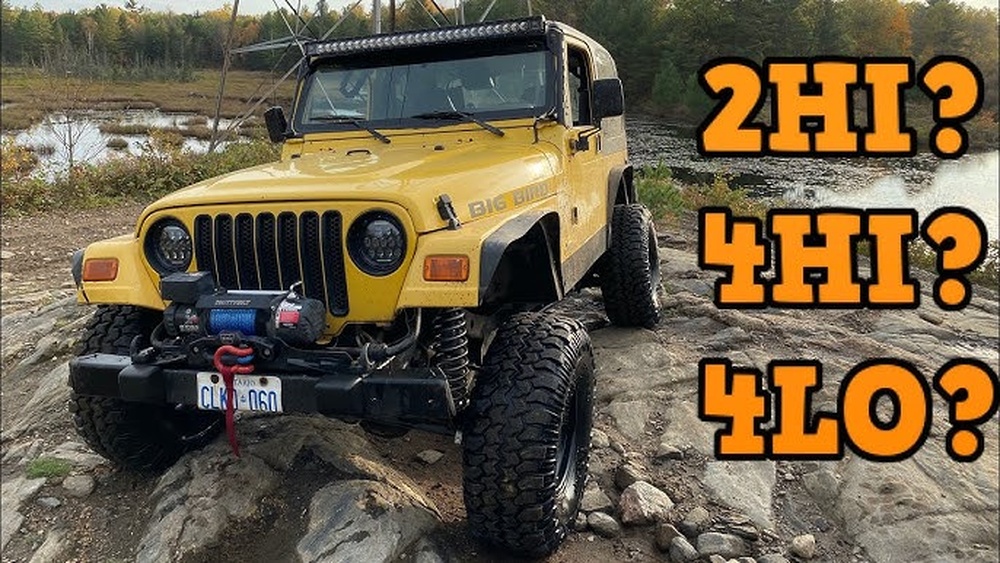
Using 2h (two-wheel High)
2H is the default mode for daily driving. In this setting, power goes only to the rear wheels. It works well for:
- Dry pavement
- City streets
- Highway driving
Most of the time, you should keep your Jeep in 2H because it gives better fuel economy and less wear on parts. Switching to 2H is easy—just make sure your Jeep is stopped or moving slowly, and shift the lever into 2H.
Example: If you drive to work on a sunny day, use 2H.
Non-obvious tip: Always return to 2H after using other modes. Keeping your Jeep in a 4×4 mode on dry roads makes steering harder and can damage the drivetrain.
Using 4h (four-wheel High)
4H sends power to all four wheels, giving better traction. Use 4H when roads are slippery or uneven:
- Rainy or snowy roads
- Gravel
- Light off-roading
You can shift into 4H while moving (up to 55 mph), as long as you don’t force the lever. This is called “shift-on-the-fly. ” Make sure your wheels are straight.
Example: If you drive up a snowy hill or cross a muddy field, 4H helps prevent slipping.
Non-obvious insight: 4H is not meant for dry pavement. If you use it on dry roads, the tires and drivetrain may bind, causing expensive repairs.
Using 4l (four-wheel Low)
4L is for tough situations where you need maximum torque and control. This mode is used for:
- Deep mud or sand
- Steep hills
- Rock crawling
To shift into 4L, stop your Jeep or drive very slowly (below 3 mph). Put the transmission in neutral, then move the lever to 4L. You’ll feel the Jeep slow down and the engine sound change.
Example: When you drive down a steep mountain trail, 4L helps you stay in control.
Practical tip: Don’t use 4L for normal driving. It’s only for extreme conditions. If you drive fast in 4L, you risk overheating the engine and damaging gears.
Using Neutral (n)
Neutral (N) disconnects the engine from the wheels. This mode is not used for driving. Instead, you use it when:
- Towing your Jeep
- Flat-towing behind another vehicle
To shift into N, stop the Jeep, put the transmission in neutral, and move the transfer case lever to N. Always follow your Jeep’s manual for towing instructions.
Example: If you want to tow your Jeep Wrangler behind a motorhome, use Neutral.
Beginner mistake: Never drive in Neutral. The Jeep will not move, and it can damage the transfer case if used incorrectly.
Comparing Jeep Wrangler 4×4 Modes
Here’s a quick summary of when to use each mode:
| Mode | Best For | Speed Range |
|---|---|---|
| 2H | Normal roads, dry pavement | Any speed |
| 4H | Slippery or loose surfaces | Up to 55 mph |
| 4L | Extreme off-road, steep hills | Below 25 mph |
| N | Towing only | Not for driving |
Step-by-step: How To Shift Between Modes
Shifting between 4×4 modes is simple if you follow these steps:
- 2H to 4H: Slow down to under 55 mph. Move the lever gently to 4H. If the light flashes, turn the steering wheel slightly to help the shift.
- 4H to 4L: Stop or drive very slowly. Put the transmission in neutral. Move the lever to 4L. Wait for the indicator light.
- 4L to 4H or 2H: Stop. Put the transmission in neutral. Shift the lever back to 4H or 2H.
- Any mode to Neutral: Stop. Put everything in neutral. Move the lever to N.
Safety Tips For Using 4×4
Using 4×4 properly keeps you safe and protects your Jeep. Here are some tips:
- Never use 4H or 4L on dry pavement.
- Always shift slowly and gently.
- Check your owner’s manual for special instructions.
- If you hear grinding, stop and try again.
- Don’t force the lever—it can break the transfer case.
Data point: According to Jeep’s official stats, wrong use of 4×4 is one of the most common causes of drivetrain repairs.
Fuel Efficiency Comparison
How does using 4×4 affect fuel economy? Here’s a look:
| Mode | Approx. MPG | Notes |
|---|---|---|
| 2H | 20-22 | Best economy |
| 4H | 17-19 | Higher fuel use |
| 4L | 10-14 | For short periods only |
Common Mistakes Beginners Make
New Jeep owners often:
- Use 4×4 modes on dry roads, causing binding.
- Shift too quickly or at high speeds.
- Forget to switch back to 2H after off-roading.
- Ignore warning lights.
Avoid these mistakes to keep your Jeep Wrangler running smoothly.

Frequently Asked Questions
Can I Use 4h On The Highway?
No, you should only use 4H on slippery surfaces. On dry highways, it can damage your Jeep.
How Fast Can I Drive In 4l?
You should stay below 25 mph in 4L. This mode is for slow, controlled driving in tough conditions.
Is It Okay To Switch Modes While Moving?
You can shift between 2H and 4H while driving slowly. For 4L, always stop and put the transmission in neutral.
Will Using 4×4 Hurt My Fuel Economy?
Yes, 4×4 modes use more fuel. Always return to 2H after you finish driving on slippery roads.
Where Can I Find More Details About Jeep 4×4 Systems?
Visit the official Jeep website for full guides: Jeep 4×4 Guide.
Driving a Jeep Wrangler with 4×4 is fun and safe when you know how to use each mode. Always choose the right setting for your road, shift carefully, and never force the lever. With these tips, you’ll get the most from your Jeep and avoid costly mistakes.