Driving a Jeep should feel safe and fun. But for many owners, the death wobble can turn every trip into a stressful experience. This violent shaking happens when the steering wheel moves uncontrollably, usually after hitting a bump at highway speed. It’s scary, dangerous, and often misunderstood. If you own a Jeep or are thinking about buying one, learning how to prevent death wobble is essential. With a few steps and careful checks, you can drive confidently and avoid unexpected problems. Even if you have never experienced death wobble, knowing how to spot early warning signs can save you from costly repairs and dangerous situations later. Prevention is always easier—and cheaper—than fixing a serious issue after it happens.
What Causes Jeep Death Wobble?
Understanding the reasons behind the death wobble helps you prevent it. The wobble is not just a simple vibration—it’s a strong, repetitive shake. Most often, it affects Jeeps with solid front axles, especially models like the Wrangler (TJ, JK, JL) and Cherokee (XJ). The solid axle design, while great for off-roading, is more sensitive to worn suspension and steering parts compared to independent front suspension setups.
Some main causes are:
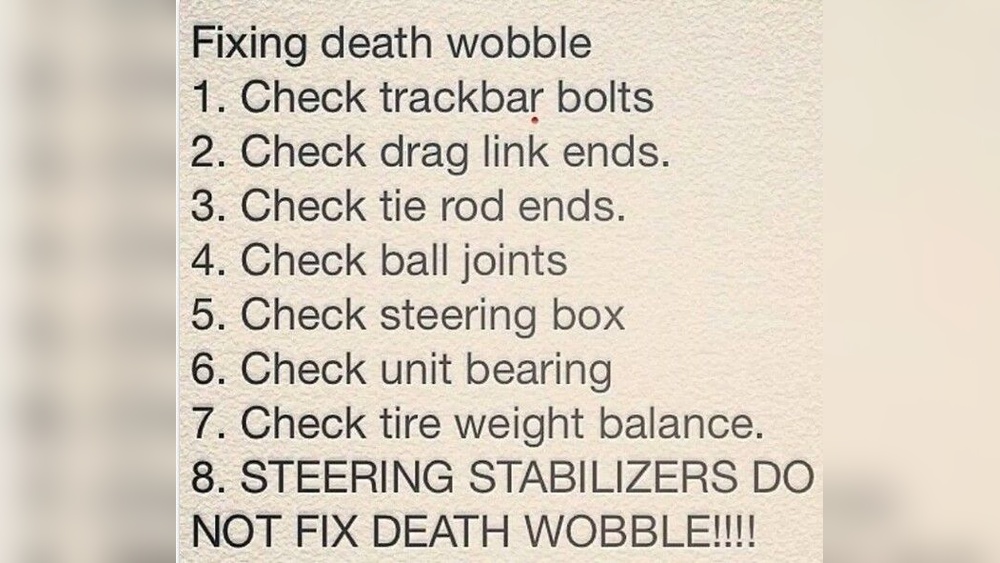
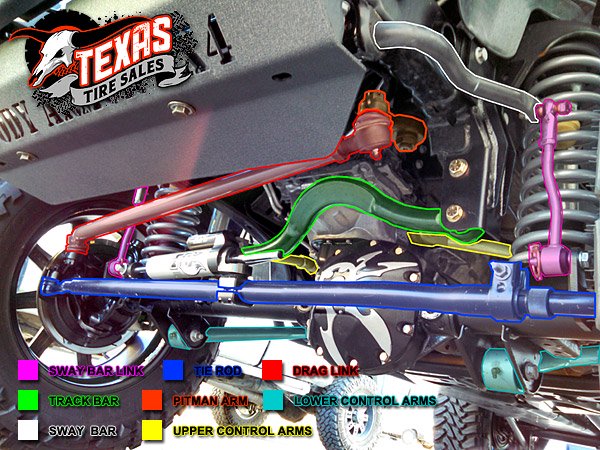
- Loose suspension parts: Worn or loose track bars, tie rods, and ball joints create movement. Even a small amount of play can quickly build up into a big problem when the vehicle hits a bump.
- Unbalanced or damaged wheels: Bent rims, bad tires, or misalignment can trigger the wobble. Sometimes, a tire that looks fine on the outside can be out of round or have a shifted belt inside.
- Bad steering components: Weak steering stabilizer or worn bushings make the problem worse. A failing steering damper won’t cause death wobble on its own, but it can let small vibrations grow into a dangerous shake.
Here’s a quick comparison of common causes:
| Component | Effect on Wobble | Common Jeep Models |
|---|---|---|
| Track Bar | Major trigger | Wrangler, Cherokee |
| Tie Rods | Medium trigger | Wrangler, Grand Cherokee |
| Steering Stabilizer | Minor trigger | All Jeep models |
Many drivers overlook the fact that even something as simple as uneven tire wear or a damaged wheel weight can be the initial spark for death wobble. Also, aftermarket parts that are not installed correctly often add to the risk.
Steps To Prevent Death Wobble
You don’t need to be a mechanic to keep your Jeep safe. By following these steps, you can reduce your risk of death wobble. Regular maintenance and quick attention to small issues are your best tools for prevention.
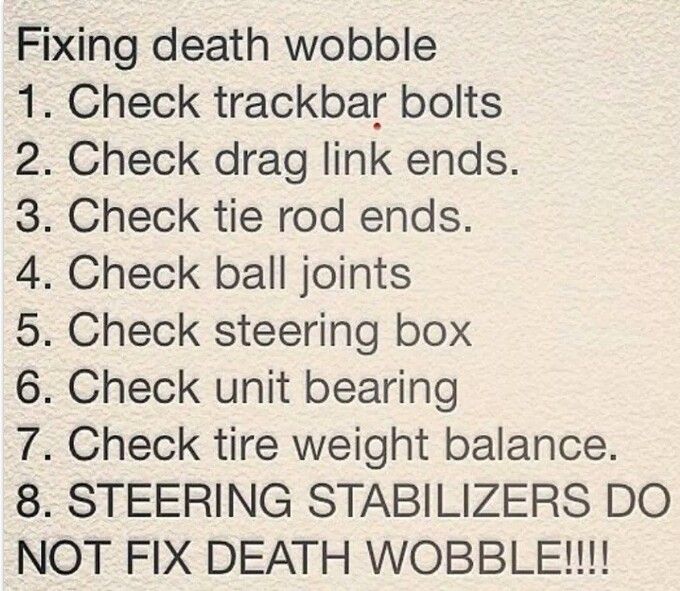
1. Inspect And Tighten Suspension Components
Check all suspension bolts and connections. Even a small amount of looseness can cause wobble.
- Use a torque wrench to tighten track bar and control arm bolts to the manufacturer’s specs. Over-tightening can damage parts, so always use the correct values.
- Look for cracked or worn bushings and replace them if needed.
- Pay special attention to mounting brackets, which can bend or crack over time, especially on lifted Jeeps.
Many people only check the visible parts, but it’s important to also look underneath the vehicle and move the steering back and forth while watching for movement. This helps spot issues that are easy to miss during a basic visual check.
2. Replace Worn Parts Early
Don’t wait for parts to fail. If you notice play in the tie rods, ball joints, or track bar, replace them.
| Part | Average Lifespan (Miles) | Signs of Wear |
|---|---|---|
| Tie Rod | 60,000 | Loose steering, vibration |
| Ball Joint | 75,000 | Clunking, uneven tire wear |
| Track Bar | 70,000 | Wandering steering |
Sometimes, parts wear out much faster if you drive off-road often or use larger tires. Always use high-quality replacement parts—cheap components may not last and can lead to repeat problems.
A useful tip: When replacing one worn part, inspect the surrounding components as well, since they often wear out at the same time.
3. Balance And Align Wheels
Unbalanced tires or misaligned wheels can start the wobble. Visit a trusted shop for:
- Wheel balancing: Done every 6-12 months, especially after off-road trips. If you notice a new vibration after rotating or changing tires, have them balanced again.
- Alignment check: Recommended after any suspension upgrade or tire change. Poor alignment not only risks death wobble but also causes uneven tire wear and poor fuel economy.
For lifted Jeeps, alignment is even more important. Some shops offer “Jeep-specific” alignments, which can help avoid common mistakes made by general technicians.
4. Upgrade Steering Stabilizer
A steering stabilizer is not a cure, but it helps. If you drive off-road or use bigger tires, upgrade to a heavy-duty stabilizer. This reduces vibration and gives smoother control.
A quality stabilizer can make a big difference on rough roads or trails by absorbing quick hits that might otherwise transfer to your hands. However, if your Jeep shakes with the stabilizer disconnected, you need to fix the root cause, not just the symptom.
5. Check Tire Pressure And Condition
Underinflated, overinflated, or damaged tires make your Jeep unstable. Keep tire pressure within recommended limits. Inspect for cracks, bulges, or uneven wear.
Check tire pressure regularly, especially after temperature changes. Even small differences between tires can affect handling. If you see a tire wearing much faster on one side, have your alignment and suspension checked immediately.
6. Avoid Common Mistakes
Many Jeep owners unknowingly increase their risk. Here are mistakes to avoid:
- Ignoring small steering vibrations, which can grow into dangerous shakes if not fixed.
- Using cheap suspension lift kits without proper alignment or without upgrading other components.
- Failing to check bolts after off-road trips, when impacts can loosen hardware.
Another common mistake is installing oversized tires without upgrading steering and suspension parts to handle the extra weight and stress.
Real-world Example
A 2014 Jeep Wrangler owner noticed mild shaking after installing larger tires. After checking the track bar, he found the bolts were loose. Tightening them stopped the wobble. This shows how small issues can become big problems if ignored.
In another case, a Cherokee XJ driver thought his steering stabilizer was the cause. But a closer inspection found a worn lower ball joint. Replacing it solved the issue, showing the importance of checking all parts—not just the obvious ones.
Jeep Models Most Affected
Death wobble is most common in certain Jeep models. Here’s a quick overview:
| Model | Years Most Affected | Risk Level |
|---|---|---|
| Wrangler TJ | 1997-2006 | High |
| Wrangler JK | 2007-2018 | High |
| Cherokee XJ | 1984-2001 | Medium |
| Grand Cherokee | 1999-2010 | Low |
Jeeps with solid axles and those used for off-roading tend to have higher risk, especially if modified. Even newer Wranglers can develop death wobble if parts wear out or are not properly maintained.
Non-obvious Insights
- Many owners think death wobble only happens with old Jeeps, but new models with bigger tires or suspension lifts can also suffer. The problem is about parts and setup—not just age.
- Checking torque specs after off-roading is often forgotten. Rocks and bumps can loosen bolts, even if they were tight before.
- Aftermarket wheels and tires that change the factory geometry can increase stress on suspension parts, raising the risk of death wobble if not installed and aligned carefully.
When To Seek Professional Help
If you follow these steps and still have problems, visit a specialist. Suspension shops have tools to check for hidden issues like bent axles or frame damage. Sometimes, the problem is deeper than it looks. A qualified mechanic can also spot subtle problems, like a worn bushing or a slightly bent bracket, that you might miss.
If you ever feel unsafe driving your Jeep, do not wait—get it checked as soon as possible.
Frequently Asked Questions
What Is Jeep Death Wobble?
Death wobble is a strong, repeating shake in the steering wheel, usually after hitting a bump at speed. It feels violent and can make the Jeep hard to control.
Can Death Wobble Cause Accidents?
Yes, the wobble can lead to loss of control. If it happens, slow down and pull over safely. Don’t try to fight the steering. Keep your hands on the wheel and gently apply the brakes.
Is A Steering Stabilizer A Permanent Fix?
No, a steering stabilizer only hides symptoms. The real fix is to find and repair worn or loose parts. Think of the stabilizer as a band-aid, not the cure.
How Much Does It Cost To Fix Death Wobble?
Repair costs vary. Simple fixes like tightening bolts may cost nothing. Replacing parts like track bars or ball joints can cost $200-$800, depending on labor and parts. Prices can be higher if you have a modified suspension or need a full alignment.
Are All Jeeps At Risk?
Mostly, Jeeps with solid front axles are at risk. Wranglers and Cherokees are most affected, but other models can suffer if suspension parts are worn or loose. Regular checks help all Jeep owners stay safe.
Driving a Jeep should be safe and enjoyable. By checking your suspension, keeping wheels balanced, and avoiding common mistakes, you can prevent death wobble and enjoy every journey. For more details, visit the official NHTSA Jeep Wrangler page. Stay proactive, and your Jeep will reward you with years of reliable performance.