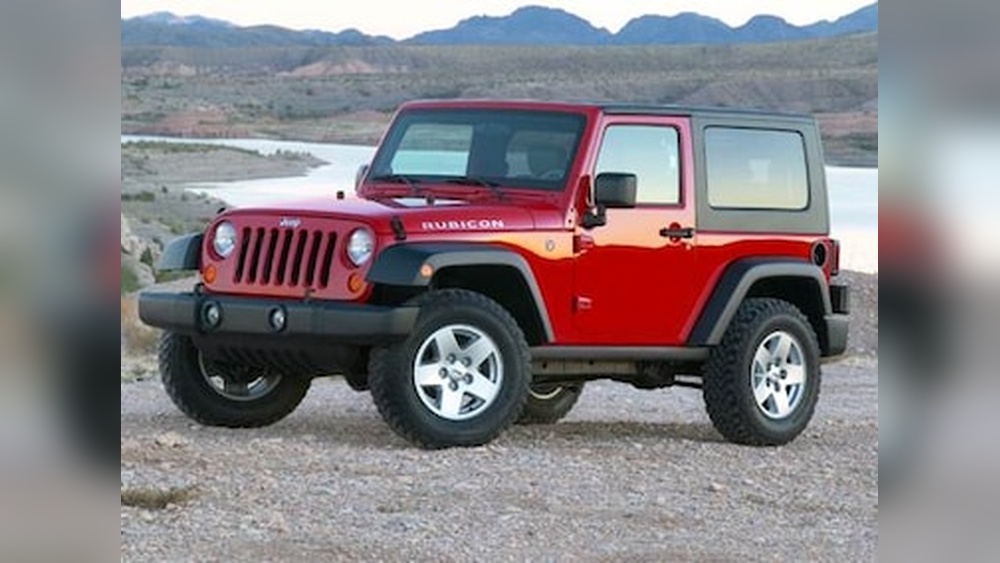
Owning a Jeep Cherokee is all about adventure, but nothing ruins a good drive like loose, sloppy steering. If your steering feels vague, wandering, or less responsive, it can be frustrating—and even dangerous. Most Cherokee owners notice this problem as their vehicle gets older or after driving off-road. The good news? Tightening up your steering is possible without spending a fortune. This guide will help you understand the causes, find solutions, and avoid common mistakes so you can enjoy a safer, smoother ride.
Why Jeep Cherokee Steering Gets Loose
Steering problems often start small. You may notice the wheel feels “soft” or requires more effort to keep straight. Common reasons include:
- Worn steering components: Tie rods, ball joints, and bushings wear out over time.
- Loose steering box: The steering gear can develop play.
- Bad alignment: Misaligned wheels can cause wandering.
- Suspension issues: Worn shocks or springs affect steering response.
- Tire problems: Old, uneven, or improperly inflated tires impact handling.
Older Cherokees (especially those from the 1990s and early 2000s) are more likely to have these issues. According to NHTSA reports, steering complaints rise noticeably after 100,000 miles.
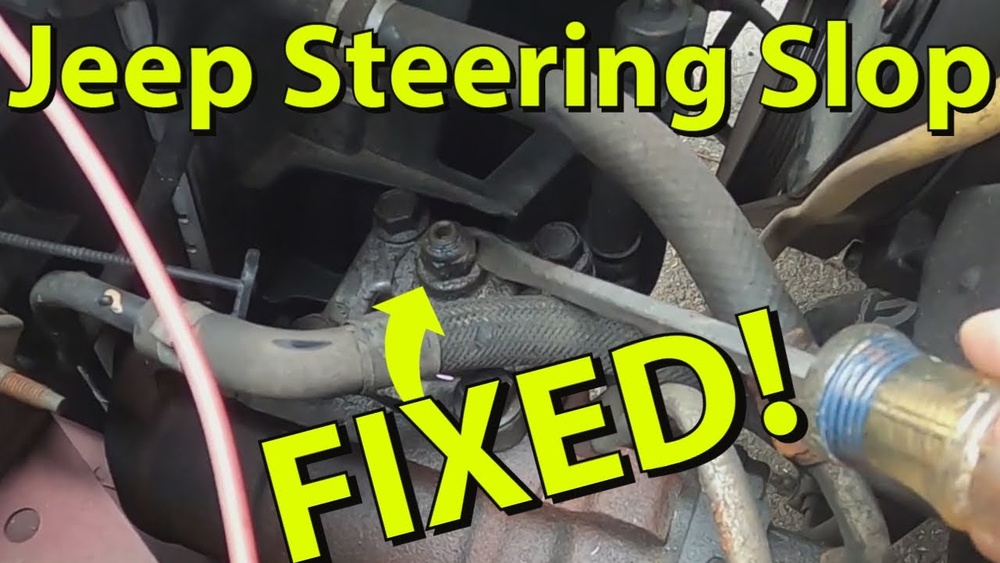
Inspecting Key Steering Parts
Before making changes, inspect these parts. You don’t need advanced tools just a flashlight, gloves, and a helper.
| Component | What To Check | Signs of Trouble |
|---|---|---|
| Tie Rod Ends | Move wheel side to side | Clunking, excessive play |
| Ball Joints | Lift wheel, wiggle | Noise, looseness |
| Steering Gear | Check for leaks, play | Fluid leaks, steering slop |
| Suspension Bushings | Inspect rubber parts | Cracks, missing pieces |
| Tires | Look for uneven wear | Bald spots, bulges |
If you find any of these signs, fix them first. Many steering upgrades won’t help if basic parts are damaged.
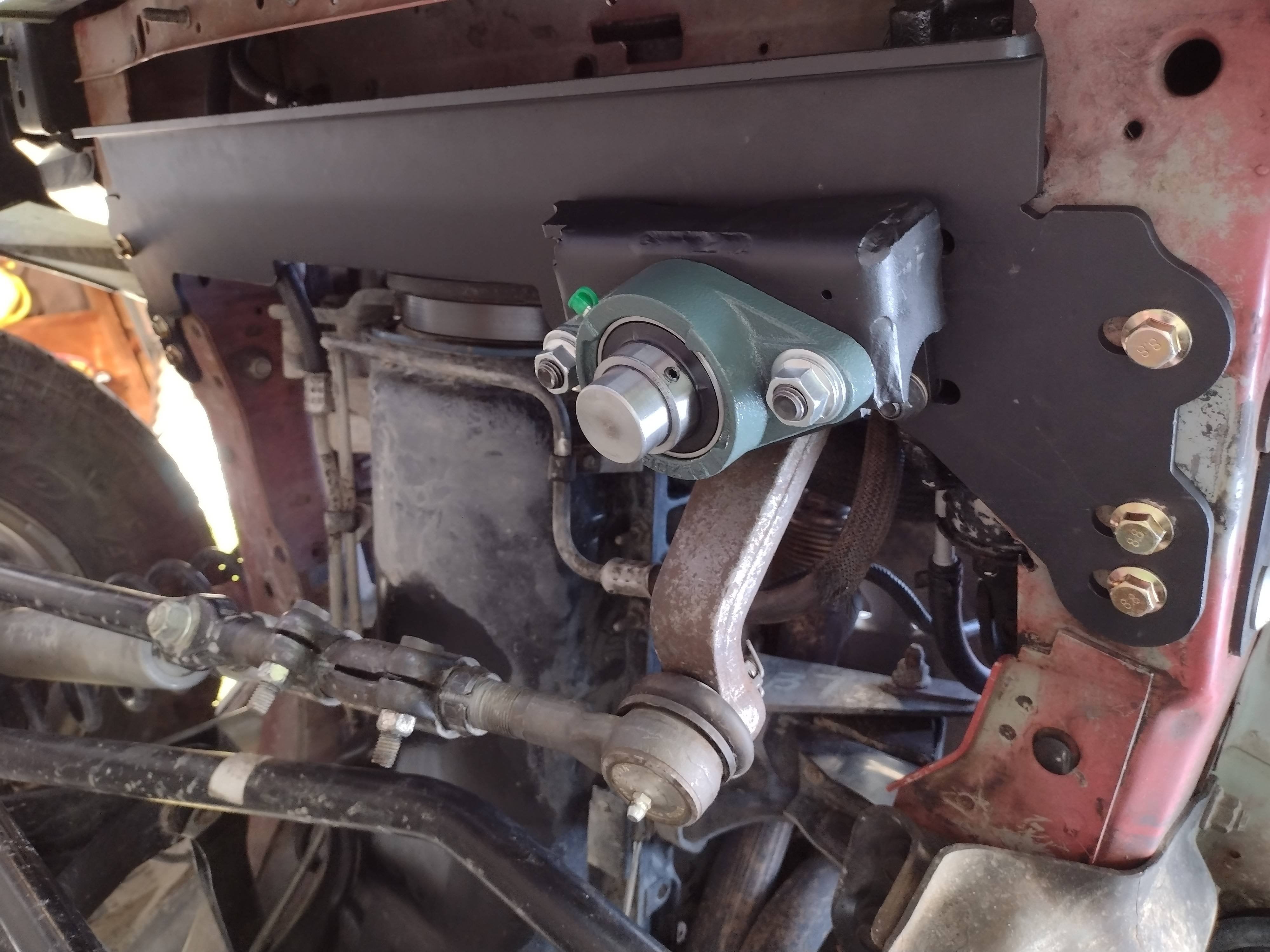
Steps To Tighten Up Steering
Improving your Jeep Cherokee’s steering involves a few clear steps. Start with the basics, then move to upgrades if needed.
1. Replace Worn Parts
Always begin with tie rods, ball joints, and bushings. These are affordable and have a big impact. For example, new tie rod ends can reduce steering play by up to 60% (according to Jeep forums). Use quality brands like Moog or OEM.
2. Check And Adjust Steering Gear
The steering gear box often develops slack. You can adjust it:
- Locate the adjustment screw on top of the gear box.
- Loosen the lock nut.
- Turn the screw clockwise slightly (less than a quarter turn).
- Tighten the lock nut.
Don’t over-tighten this can damage the box. If adjustment doesn’t help, consider a rebuild or replacement.
3. Get A Professional Alignment
Bad alignment causes steering to wander. Most shops charge $60 $120 for a full alignment. After alignment, handling improves instantly and tires last longer.
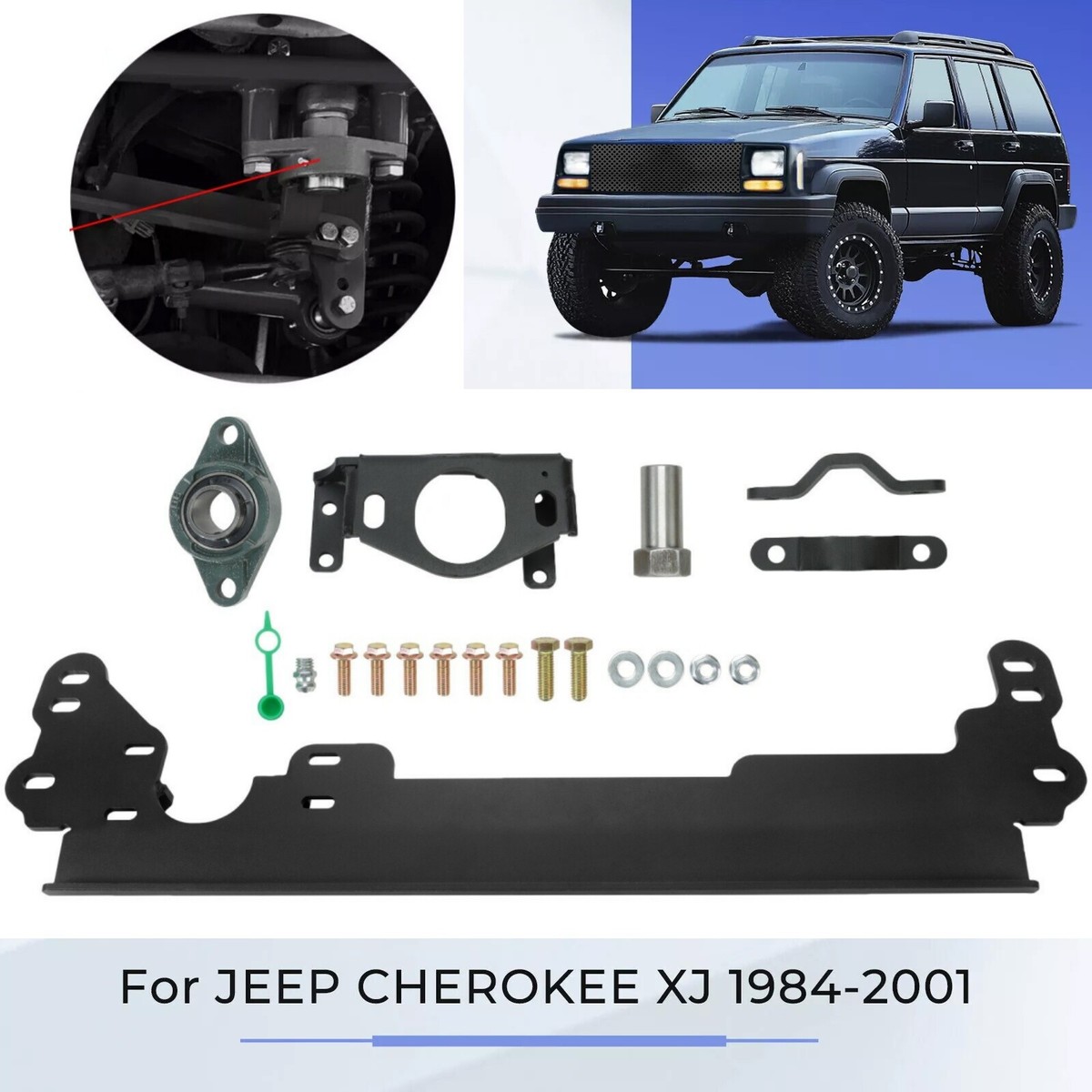
4. Upgrade Steering Stabilizer
A steering stabilizer absorbs shocks and vibrations. If you drive off-road or use larger tires, install a heavy-duty stabilizer (such as Bilstein or Monroe). This reduces steering kickback and makes the wheel feel firmer.
5. Inspect Tires
Check tire pressure and condition. Low pressure or uneven wear affects steering. The recommended pressure for most Cherokees is 32–35 PSI. Replace tires if tread is below 2/32”.
6. Strengthen Suspension
Worn shocks and springs make steering loose. Upgrading to new shocks (like KYB or Bilstein) costs $120–$250 per axle. You’ll notice less sway and more precise steering.
7. Upgrade Control Arms
Aftermarket control arms offer better support than factory parts. This is useful for lifted Cherokees or those used off-road. Stronger arms reduce flex and improve steering accuracy.
Comparing Steering Fixes
Here’s a quick overview of common fixes and their impact:
| Solution | Estimated Cost | Steering Improvement |
|---|---|---|
| Replace Tie Rods | $80–$150 | High |
| Steering Gear Adjustment | Free–$30 | Medium |
| Alignment | $60–$120 | High |
| Steering Stabilizer | $40–$100 | Medium |
| Upgrade Shocks | $120–$250 | Medium |
| Control Arms | $150–$300 | Medium–High |
Common Mistakes To Avoid
Many Cherokee owners waste money by skipping basics. Don’t make these mistakes:
- Replacing steering stabilizer before fixing worn tie rods.
- Ignoring alignment—wandering is often a sign of bad alignment.
- Over-tightening the steering gear box (can cause binding).
- Installing large tires without upgrading suspension.
- Forgetting to check tire pressure regularly.
Another overlooked tip: Small changes add up. Fixing several minor problems often feels like a big upgrade.
When To Seek Professional Help
If you’ve tried all steps and steering still feels loose, ask a mechanic. Sometimes frame damage or hidden suspension issues are the cause. If your Cherokee pulls strongly to one side or makes loud noises, don’t delay these can be safety risks.
Real-world Example
A 2001 Jeep Cherokee owner reported steering improvements after replacing tie rods, bushings, and getting an alignment. The cost was under $350, and steering felt “like new. ” Many owners on Jeep forums share similar results most steering problems come from worn parts, not expensive upgrades.
Frequently Asked Questions
How Often Should I Check Steering Parts On My Jeep Cherokee?
Inspect steering components every 12,000 miles or once a year, especially if you drive off-road. Early checks prevent expensive repairs later.
Can I Tighten Steering Myself Or Do I Need A Mechanic?
Basic checks and adjustments can be done at home with simple tools. For steering gear adjustment and alignment, a mechanic is recommended for safety.
What Are Signs Of Bad Steering On A Cherokee?
Look for wandering, excessive wheel play, clunking noises, and uneven tire wear. These are early signs of trouble.
Do Bigger Tires Cause Loose Steering?
Yes, larger tires increase stress on steering and suspension. Upgrade stabilizers and control arms if you switch to bigger tires.
Where Can I Find Official Jeep Cherokee Repair Guides?
You can visit the official Jeep site or trusted resources like Haynes Manuals for repair guides and diagrams.
Tightening your Jeep Cherokee’s steering isn’t hard if you focus on basics first. Replace worn parts, check alignment, and upgrade wisely.
Small improvements make a big difference in how your Cherokee handles on highways and trails alike. With regular checks and smart upgrades, your steering will feel confident and precise for years to come.