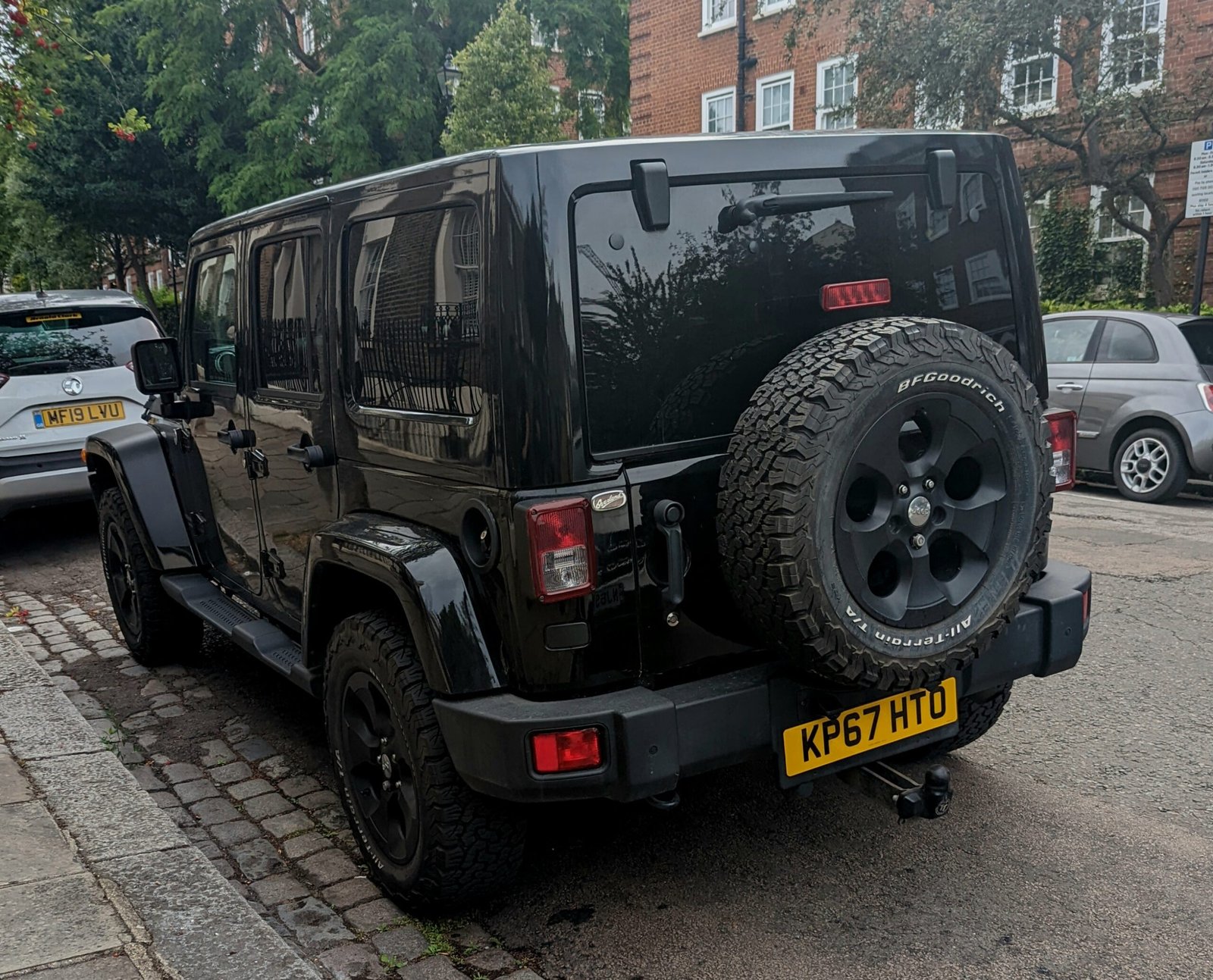
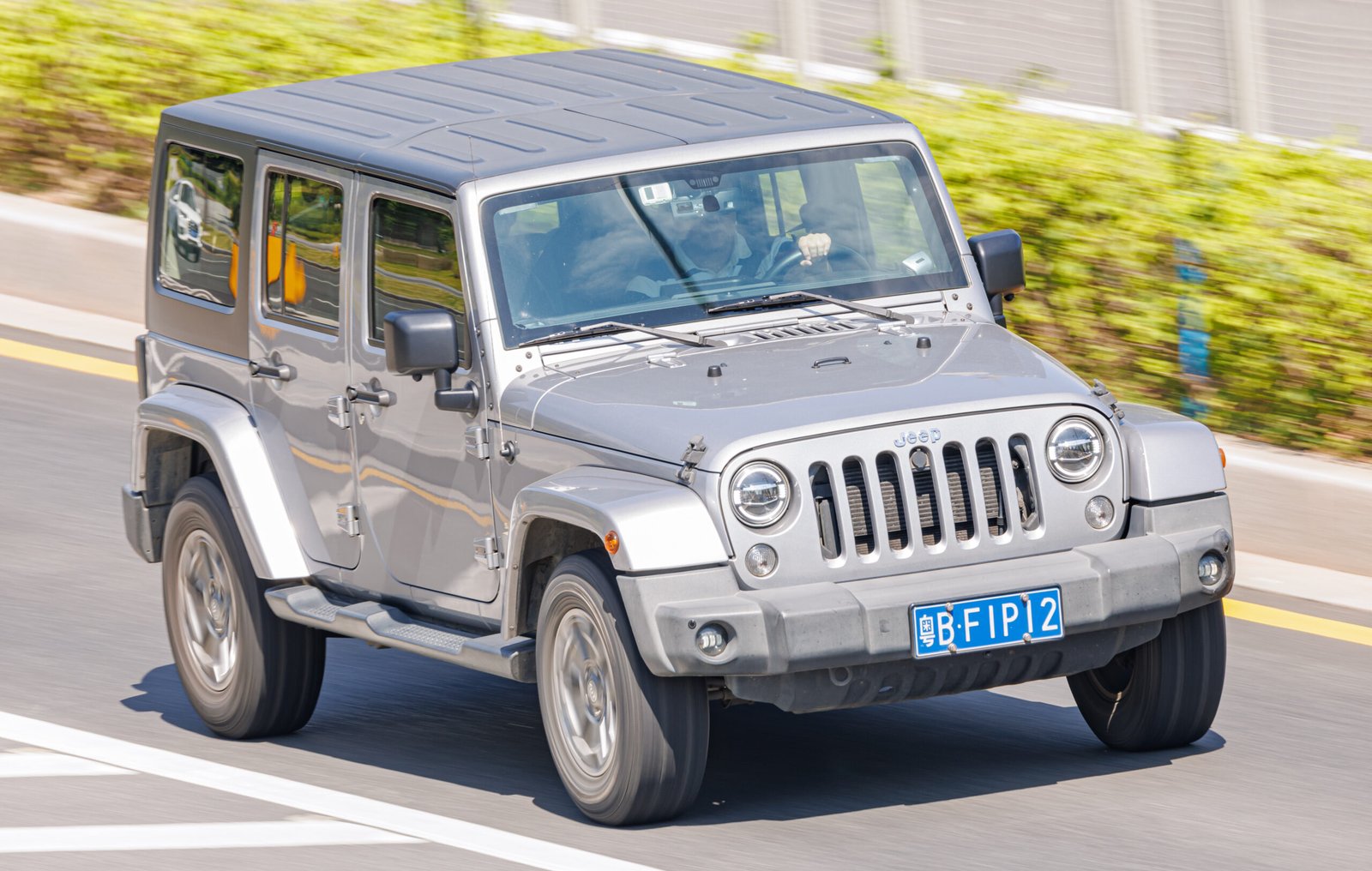
Getting better sound in your Jeep Wrangler is easier than you think. Many Jeep owners want more power from their speakers, especially with the top off or windows down. Installing an amplifier (amp) gives your music stronger bass, clearer highs, and a more enjoyable ride. This guide shows you step-by-step how to install an amp in a Jeep Wrangler. You’ll learn what tools to use, how to route wires, and how to avoid beginner mistakes. Whether you drive a newer JL model or an older TJ, the basics are similar.
Choosing The Right Amp For Your Jeep Wrangler
Picking the best amp is not just about wattage. You need to match the amp to your speakers and space.
- Power rating: Most Jeep Wranglers work well with a 400-800 watt amp.
- Channels: Choose a 4-channel amp if you want to power four speakers. For a subwoofer, a mono amp is best.
- Size: Space is limited, especially under seats or in the cargo area.
Here’s a quick comparison of common amp types for Jeep Wranglers:
| Type | Channels | Best For | Approx. Size |
|---|---|---|---|
| Mono | 1 | Subwoofer | 10″x6″x2″ |
| 2-Channel | 2 | Front speakers | 12″x7″x2″ |
| 4-Channel | 4 | All speakers | 14″x9″x2″ |
Tip: Check your Jeep’s alternator specs if you plan to use a high-power amp. Wranglers before 2012 often have lower alternator outputs.
Gathering Tools And Materials
You don’t need expensive tools. Here’s what you should have:
- Amp wiring kit (includes power, ground, RCA cables, fuse holder)
- Wire stripper/crimper
- Socket set and screwdriver
- Electrical tape
- Zip ties
- Multimeter (for testing connections)
If you don’t have an amp kit, it’s easy to buy one online or at car audio shops. Kits usually cost $20–$50.

Preparing Your Jeep For Installation
Before starting, disconnect your battery’s negative terminal. This prevents short circuits and protects your Jeep’s electronics.
Locating The Best Spot
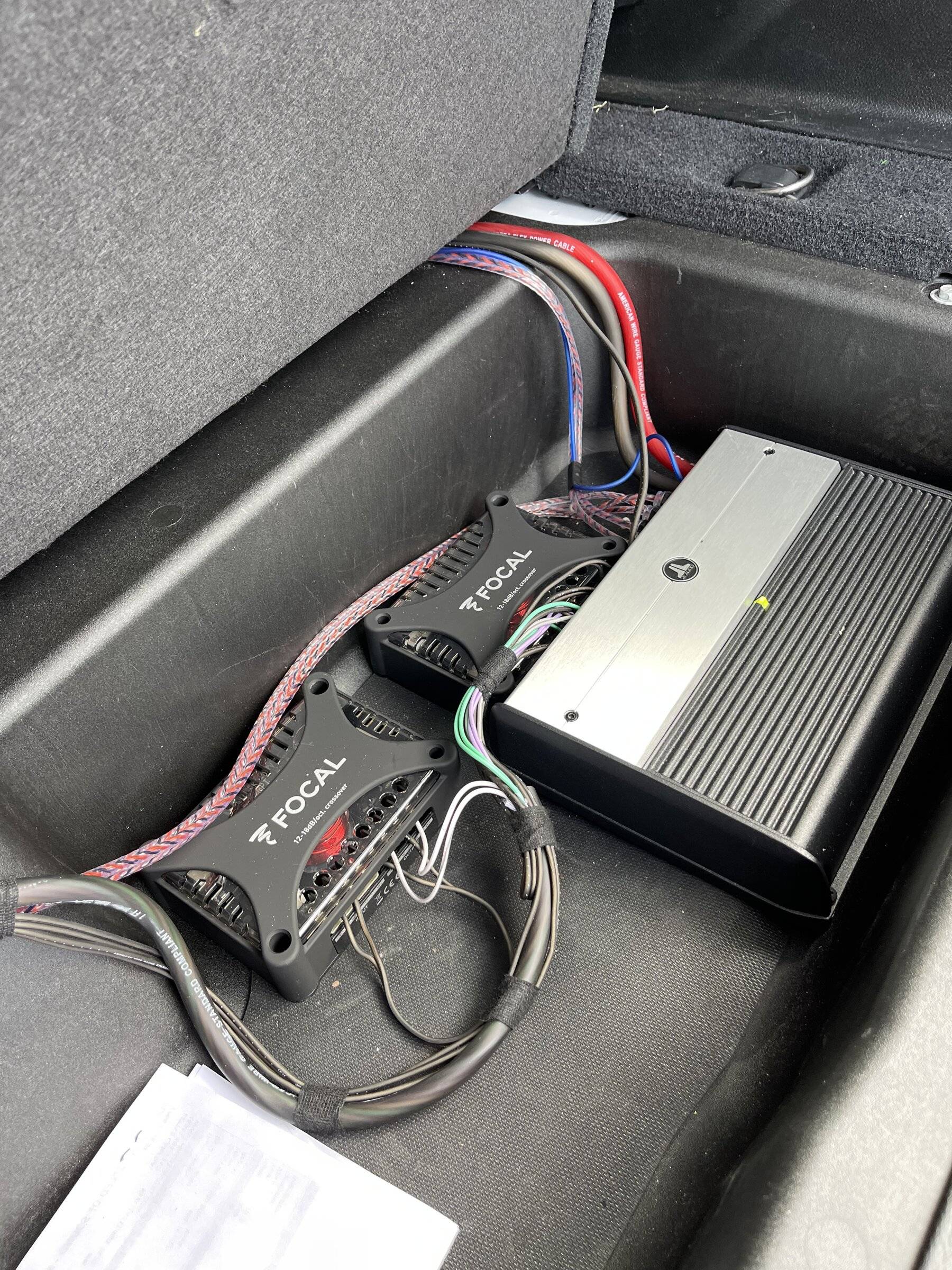
Most Jeep owners put the amp under the passenger seat or in the cargo area. Make sure the amp has enough ventilation. Avoid places where water can get in (especially in Wranglers, since they’re often used off-road).
| Location | Pros | Cons |
|---|---|---|
| Under seat | Hidden, easy wiring | Limited space, heat buildup |
| Cargo area | More space, cooler | Less hidden, longer wires |
| Dash | Out of sight | Hard to access |
Step-by-step Amp Installation
Follow these steps for a clean, safe install.
1. Run Power Cable
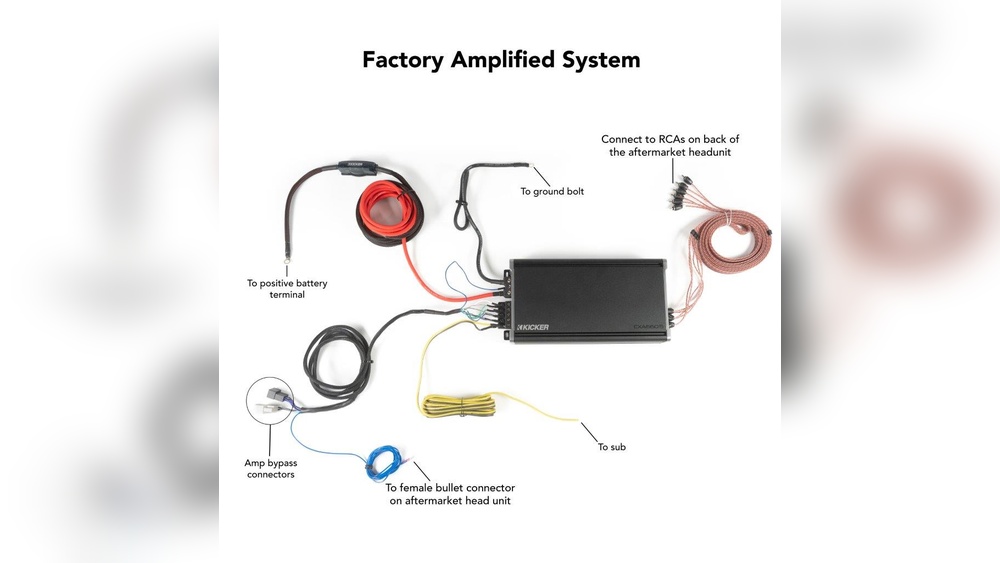
- Route the power wire from the battery through the firewall (usually a rubber grommet near the driver’s side).
- Keep the wire away from moving parts and hot areas.
- Place the fuse holder within 18 inches of the battery.
2. Connect Ground Wire
- Find a solid metal spot near the amp location.
- Scrape paint to expose bare metal.
- Use a short, thick wire for the ground.
3. Install Rca And Remote Wires
- Run RCA cables from the head unit (radio) to the amp.
- Route the remote turn-on wire so the amp powers up with the radio.
- Keep RCA wires away from power cables to avoid noise.
4. Speaker Wiring
- Connect speaker wires from the amp to each speaker.
- If you’re powering a subwoofer, use thicker wire.
- Double-check polarity (+ and -) for clear sound.
5. Mount The Amp
- Secure the amp with screws, brackets, or Velcro.
- Avoid blocking airflow.
6. Test Connections
- Reconnect the battery.
- Use a multimeter to check power and ground.
- Turn on your radio and check for sound.
Non-obvious insight: Many beginners forget to check the amp gain setting. Start with gains low, then adjust slowly for the best sound without distortion.
Common Mistakes And How To Avoid Them
- Skipping the fuse: Always install the fuse to protect against fire.
- Bad ground: Poor grounding causes noise and weak performance.
- Wrong wire size: Use at least 8-gauge wire for most amps.
- Running wires together: Keep power and signal wires separate.
Experience tip: If you hear a whine or buzzing, re-route your RCA cables away from power wires.
Final Tuning And Enjoyment
Once installed, play music at different volumes. Adjust the amp’s gain and crossover settings. Listen for clear highs, strong bass, and no distortion. If your Jeep has a factory radio, you may need a line output converter to connect the amp.
For more advanced guidance, check the official Crutchfield amplifier installation guide.

Frequently Asked Questions
How Long Does It Take To Install An Amp In A Jeep Wrangler?
Most installs take 2–4 hours. If you’re new, plan extra time for routing wires and testing.
Do I Need To Upgrade My Alternator For A Bigger Amp?
Usually, no. If your amp draws more than 50 amps or you plan multiple amps, consider a higher-output alternator.
Can I Use The Factory Head Unit With An Aftermarket Amp?
Yes, but you may need a line output converter to connect RCA cables to the factory radio.
What Wire Gauge Should I Use For The Amp?
Use at least 8-gauge wire for amps up to 600 watts. For higher power, use 4-gauge wire.
Is It Safe To Install An Amp Myself?
If you follow instructions and disconnect the battery, it’s safe. Take your time and double-check every step.
Installing an amp in your Jeep Wrangler boosts your music experience, whether you’re cruising city streets or heading off-road. Careful wiring and correct setup make sure your new system is powerful and reliable. With these steps, you can enjoy crystal-clear sound and deep bass—no matter where your Jeep takes you.